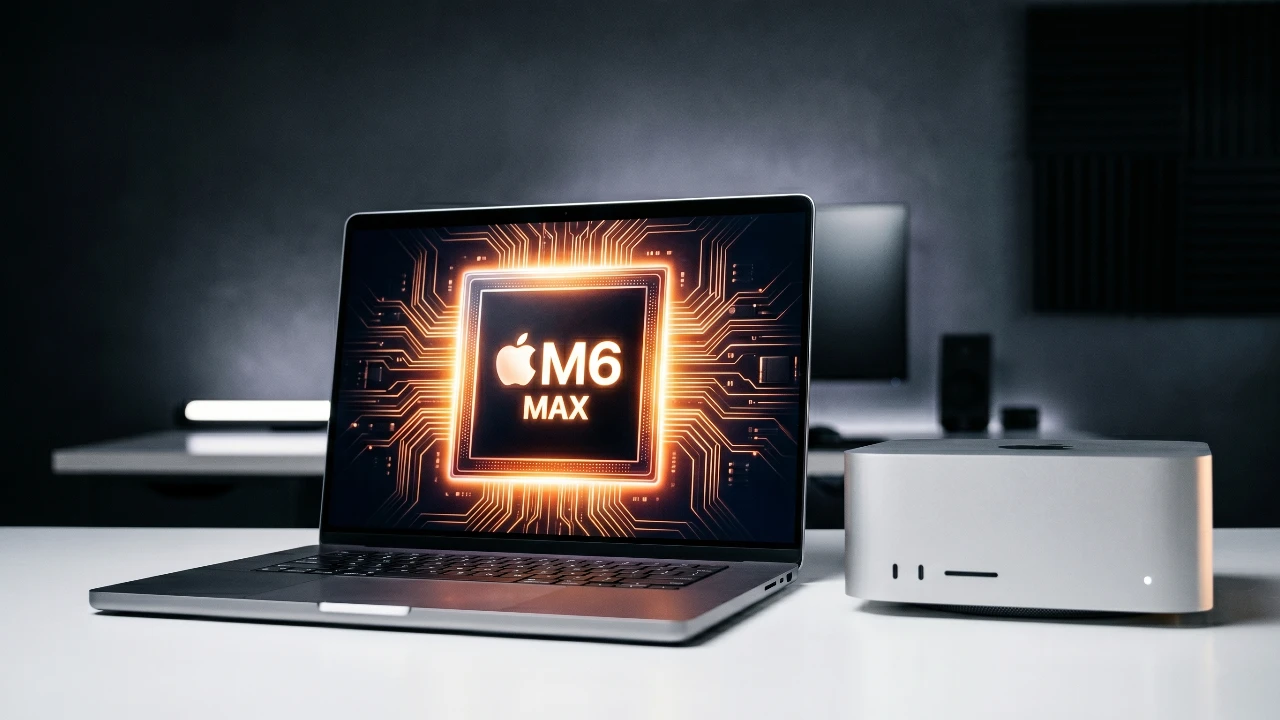
Apple is preparing to launch eight new Mac models, showcasing significant advancements in chip technology, memory capacity, and AI performance. These updates aim to cater to a broad spectrum of users, from casual consumers to professionals with demanding workflows. However, the company is grappling with supply chain challenges fueled by global chip shortages and unprecedented demand. As a result, some models may not reach the market until 2027, reflecting the ongoing tension between innovation and production constraints. The video below from Max Tech gives us more details on what Apple has planned for its Mac range.

What’s New in the Mac Lineup?
Apple’s upcoming Mac lineup introduces a variety of models designed to meet diverse user needs. Each device incorporates unique features and performance upgrades, with release timelines influenced by production complexities and market demand.
- M5 Mac Mini:
Expected to launch between mid-2026 and late 2026, the M5 Mac Mini will emphasize enhanced AI performance. The base model will start with 512GB of storage, marking Apple’s transition away from the 256GB option. However, high demand for AI-capable devices may result in limited availability, making it a sought-after choice for users prioritizing AI-driven tasks. - M5 Max and M5 Ultra Mac Studio:
Designed for professionals, these models are slated for release in fall 2026. They will feature high memory capacities tailored for AI-intensive workflows. Despite their appeal, production delays are anticipated due to ongoing sales of current models and constrained chip supplies. - M5 iMac:
The M5 iMac will offer a straightforward chip upgrade and is expected to launch alongside the Mac Mini and Mac Studio. Its limited AI capabilities have kept demand relatively modest, reducing its vulnerability to supply chain disruptions. - M6 14-inch MacBook Pro:
Scheduled for fall 2026, this model will debut the M6 chip, delivering improved performance without major design changes. It is aimed at general users seeking a reliable and efficient upgrade. - M6 Pro and M6 Max OLED MacBook Pro:
Featuring a redesigned chassis and innovative 2nm chip technology, these models are planned for spring 2027. However, production delays caused by chip shortages and Apple’s focus on iPhone manufacturing may push their release further into the year. - M6 MacBook Air:
Positioned as an entry-level option, the M6 MacBook Air is expected in spring 2027. Its simpler design and lower production complexity make it less susceptible to supply chain challenges, making sure broader availability. - MacBook Neo2:
Anticipated for spring or summer 2027, the Neo2 will feature the A19 Pro chip and enhanced RAM. This model is designed to appeal to users seeking a balance between performance and portability, making it a versatile choice for a wide range of applications. - M6 Max iMac Pro:
Tentatively scheduled for fall 2027, the iMac Pro is expected to return with a redesigned chassis and advanced chips. It will target professionals requiring top-tier performance for resource-intensive tasks.
Technological Innovations Driving the New Macs
Apple’s upcoming Mac models will integrate several technological advancements aimed at enhancing performance and user experience. These innovations reflect the company’s commitment to pushing the boundaries of computing technology.
- 2nm Chip Technology: The M6 Pro and M6 Max models will use 2nm chips, delivering substantial performance improvements, particularly for AI and machine learning applications. This advancement represents a significant leap in processing power and energy efficiency.
- OLED Displays: Select models, such as the M6 Pro and M6 Max MacBook Pros, will feature OLED screens. These displays promise sharper visuals, improved color accuracy and better contrast ratios, enhancing the overall viewing experience.
- Enhanced Memory and Storage: Increased memory and storage capacities will support resource-intensive workflows, catering to professionals and creatives who rely on high-performance devices for their projects.
These features underscore Apple’s focus on delivering innovative technology to meet the evolving needs of its user base.
Challenges in Meeting Demand
Despite the impressive technological advancements, Apple faces significant challenges in bringing these devices to market. Global chip shortages, exacerbated by surging demand for AI-optimized Macs, have created production bottlenecks. Additionally, Apple’s prioritization of iPhone manufacturing has diverted resources, further delaying Mac production timelines. These constraints highlight the complexities of balancing innovation with the realities of supply chain management.
Balancing Demand and Supply
The increasing demand for AI-capable devices reflects the growing reliance on advanced computing in professional and creative industries. However, this surge in demand has forced Apple to strategically prioritize production. Models featuring innovative technologies, such as 2nm chips and OLED displays, are experiencing the longest delays, with some not expected until 2027. This prioritization underscores the challenges of meeting market expectations while navigating production limitations.
What This Means for You
Apple’s upcoming Mac lineup offers a range of options tailored to different user needs, from casual computing to professional-grade performance. These devices promise significant advancements in performance, memory, and AI capabilities. However, supply chain challenges and production delays mean you may need to carefully weigh your options. If you require immediate upgrades, currently available models may suffice. On the other hand, if your needs align with the features of next-generation Macs, patience could be rewarded with innovative technology. Understanding your specific requirements and timelines will help you make an informed decision in this dynamic and evolving landscape.
Source: Max Tech
Disclosure: Some of our articles include affiliate links. If you buy something through one of these links, Geeky Gadgets may earn an affiliate commission. Learn about our Disclosure Policy.
