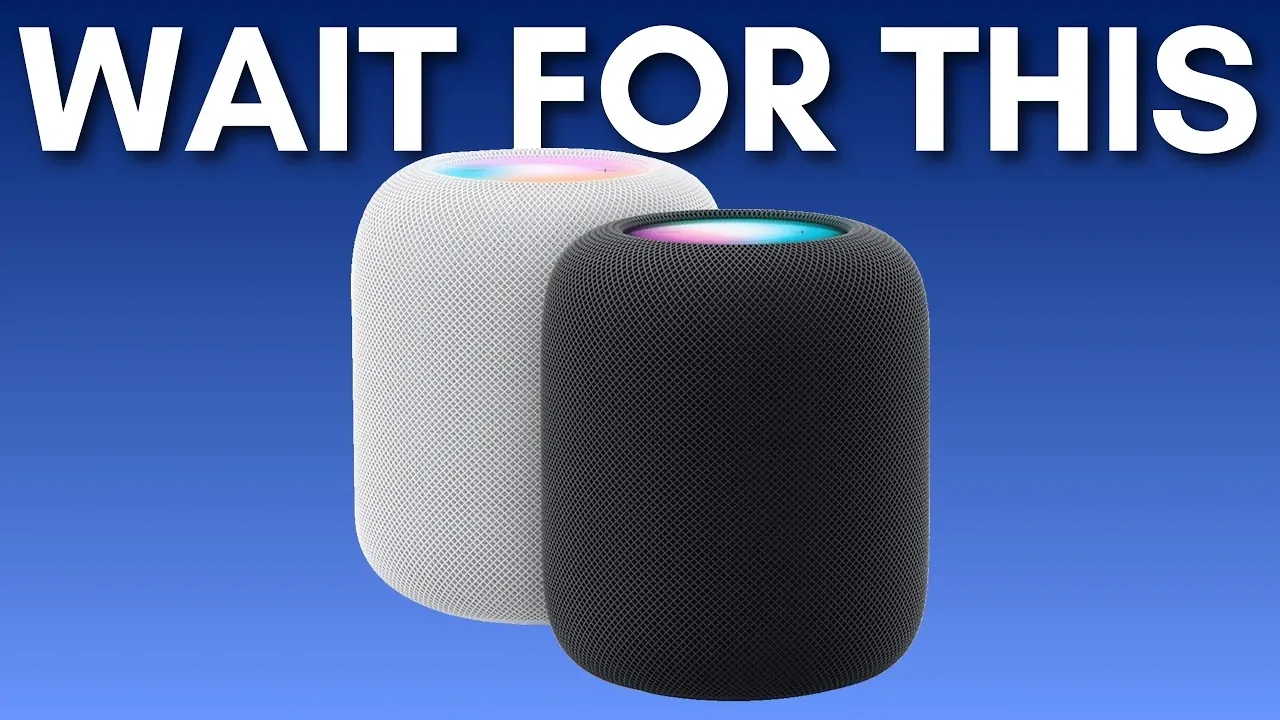
Apple is preparing to make a significant impact in the smart home market with the much-anticipated release of the HomePod 3. This next-generation smart speaker is expected to debut alongside updates to the HomePod Mini and Apple TV 4K, signaling a renewed focus on smart home integration, advanced artificial intelligence, and premium audio quality. While these updates promise exciting advancements, Apple faces the challenge of standing out in a highly competitive market dominated by established players. The video below from Saran Byte gives us more details on the new HomePod.

Apple’s Evolving Smart Home Strategy
The HomePod 3 marks a pivotal moment in Apple’s approach to smart home technology. Unlike its predecessors, this device is designed to go beyond being a high-end speaker. It is envisioned as a central hub for your smart home, seamlessly integrating with Apple’s ecosystem to automate and simplify everyday tasks.
Apple’s broader strategy includes updates to the HomePod Mini and Apple TV 4K, reinforcing its commitment to creating a cohesive and interconnected smart home experience. By using its ecosystem, Apple aims to deliver a solution that not only enhances convenience but also provides a more personalized and efficient way to manage your home.
Smarter Siri for a Smarter Home
At the core of the HomePod 3 is an upgraded version of Siri, powered by Apple Intelligence and expected to debut with iOS 27. This enhanced virtual assistant will feature improved natural language processing, allowing smoother and more intuitive interactions.
For instance, Siri will likely be capable of handling complex, multi-step commands. Imagine saying, “Hey Siri, dim the lights, play my evening playlist and remind me to check the oven in 20 minutes,” and having all these tasks executed seamlessly. These advancements are designed to make your smart home feel more personalized and responsive, catering to your specific needs with minimal effort.
Hardware Innovations and Enhanced Connectivity
The HomePod 3 is expected to feature significant hardware upgrades to support its expanded capabilities. A new A-series chipset will likely power the device, delivering faster processing speeds and enhanced AI functionality. This will ensure that the HomePod 3 can handle demanding tasks with ease, from managing multiple smart devices to processing complex voice commands.
Connectivity improvements are also anticipated, including support for Wi-Fi 7, Bluetooth 6, and the Thread protocol. These technologies promise faster and more reliable connections, making sure seamless communication between your smart home devices. For example, Thread’s low-latency communication could enable near-instant responses from devices like smart locks, thermostats, or security cameras, enhancing the overall efficiency of your smart home setup.
Audio Excellence Meets Smart Home Integration
Apple is doubling down on the HomePod’s reputation for delivering exceptional audio quality. The HomePod 3 is expected to include features like spatial audio support and adaptive sound tuning, which adjust the audio output based on the room’s acoustics. These features aim to provide an immersive listening experience, whether you’re enjoying music, podcasts, or movies.
However, the HomePod 3’s role extends far beyond audio. By positioning it as a smart home hub, Apple aims to make it the command center for your connected devices. From scheduling daily routines to monitoring energy usage, the HomePod 3 is designed to simplify home management. Its natural language controls and enhanced automation capabilities will allow users to interact with their smart home in a more intuitive and efficient way.
Subtle Design Refinements
While the HomePod 3 is not expected to undergo a dramatic design overhaul, subtle updates may be introduced to enhance its appeal. These could include new color options or minor aesthetic tweaks that align with Apple’s modern design language. Reports of dwindling inventory for current HomePod and Apple TV models suggest that Apple is preparing for a product refresh, with a late 2026 release likely. This timing could coincide with the launch of new iPhones or a dedicated smart home event, further emphasizing Apple’s focus on this product category.
Competing in a Crowded Market
Despite its advancements, the HomePod 3 will face stiff competition in the smart home market. Rivals like Amazon and Google dominate the space with affordable devices and expansive ecosystems that appeal to a wide range of users. Apple’s reliance on its exclusive ecosystem and premium pricing could limit its appeal to a broader audience.
To succeed, Apple must emphasize the HomePod 3’s unique strengths, such as its deep integration with Apple devices, superior audio quality and advanced automation capabilities. By addressing these challenges and highlighting its distinct advantages, Apple has the potential to carve out a stronger position in the smart home market.
What to Expect Moving Forward
The HomePod 3 represents Apple’s most ambitious effort yet to merge premium audio with smart home functionality. With advanced Siri integration, innovative hardware and a focus on automation, it promises to deliver a smarter, more connected experience for users. However, its success will depend on Apple’s ability to navigate market competition and meet user expectations.
As the anticipated late 2026 release approaches, Apple’s strategy will likely focus on refining the HomePod 3 to resonate with both loyal users and new adopters. Whether through enhanced features, seamless integration, or a compelling ecosystem, the HomePod 3 has the potential to redefine how users interact with their smart homes in the years to come.
Source & Image Credit: SaranByte
Disclosure: Some of our articles include affiliate links. If you buy something through one of these links, Geeky Gadgets may earn an affiliate commission. Learn about our Disclosure Policy.
