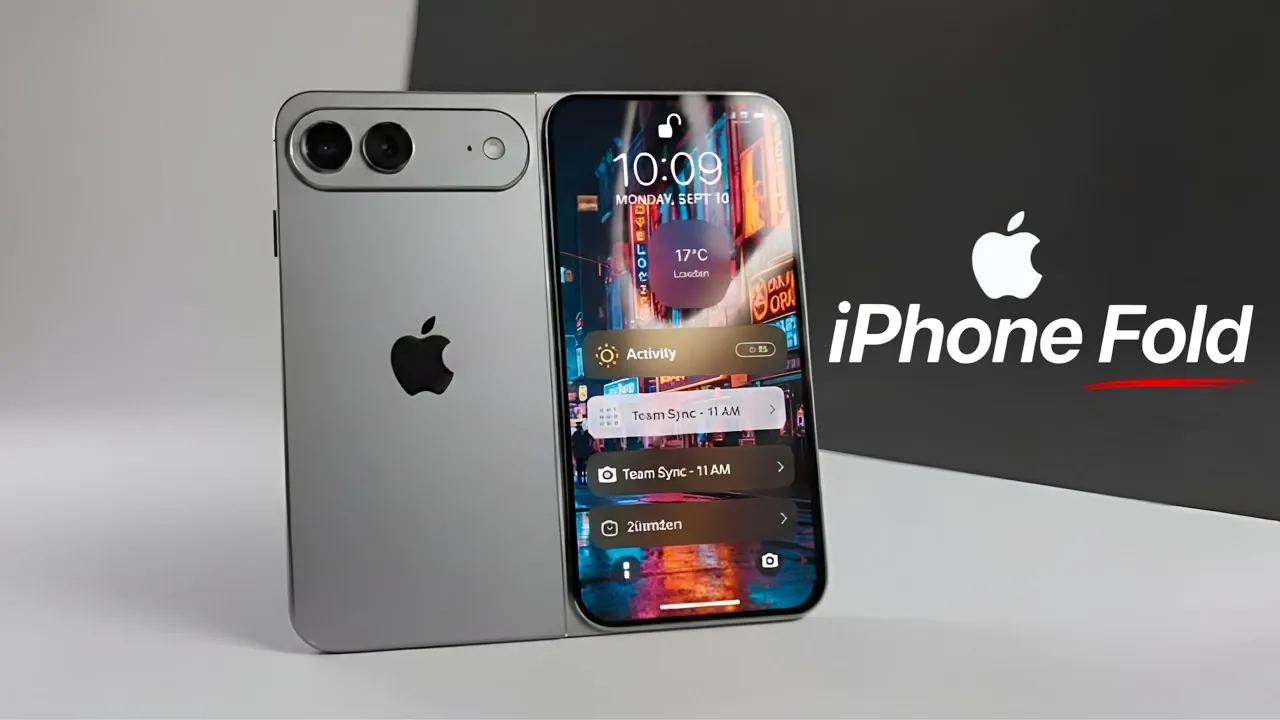
Apple’s rumored iPhone Fold marks its highly anticipated entry into the foldable smartphone market, blending innovative technology with premium materials. This device promises to push the boundaries of innovation, offering a unique combination of smartphone portability and tablet functionality. However, its unconventional design and focus on the unfolded tablet experience raise questions about its practicality as a primary smartphone. Could Apple’s bold approach redefine the foldable category, or will it alienate users accustomed to traditional smartphone functionality?

Design and Dimensions: A Double-Edged Sword
The iPhone Fold is expected to feature a wider form factor than standard iPhones, which could make one-handed use challenging for many users. When unfolded, the device measures an ultra-slim 4.5 to 4.8 mm in thickness, making it one of the thinnest foldables on the market. When folded, it remains under 10 mm thick, making sure portability despite its unique design.
Apple is reportedly incorporating premium materials such as titanium and aluminum to enhance durability while maintaining a lightweight profile. A standout feature is its advanced hinge system, designed to minimize the crease on the foldable screen and provide smooth transitions between folded and unfolded modes. However, the wider dimensions may pose challenges for users who rely on their phones for quick, one-handed tasks, potentially limiting its appeal as a daily driver.
Display: A Tablet-Like Experience
The iPhone Fold’s display is poised to be its most distinctive feature. The inner screen measures 7.8 inches with a 4:3 aspect ratio, closely resembling an iPad Mini. This design is ideal for productivity tasks, media consumption and multitasking, offering a tablet-like experience in a smartphone form. However, the 4:3 ratio may feel awkward for traditional phone activities, such as scrolling through social media or typing with one hand.
The outer display, at 5.5 inches, provides basic functionality when the device is folded. While this smaller screen is convenient for quick interactions, its limited size may hinder usability for tasks like typing or multitasking. Apple’s efforts to reduce or eliminate the crease in the foldable screen aim to deliver a seamless visual experience, but the emphasis on the unfolded mode could overshadow the practicality of the folded configuration. This dual-display approach highlights Apple’s ambition but also underscores the potential trade-offs in user experience.
Performance and Hardware: Power Meets Innovation
Under the hood, the iPhone Fold is expected to feature Apple’s next-generation A-series chip, paired with 12 GB of RAM and up to 1 TB of storage. These specifications ensure top-tier performance, capable of handling demanding multitasking, resource-heavy applications and advanced gaming experiences.
The device is also rumored to include the largest battery ever featured in an iPhone, addressing the power demands of its dual displays and advanced features. On the camera front, the iPhone Fold will likely include dual high-resolution sensors on the rear and an under-display camera for the inner screen, making sure a clean, uninterrupted display. Interestingly, Apple may replace Face ID with a side-mounted fingerprint sensor, a design choice likely influenced by the foldable form factor. This combination of hardware innovations positions the iPhone Fold as a powerful device, but its practicality in everyday use remains a question.
Software: Tailored for Multitasking
Apple is expected to introduce a customized version of iOS optimized for the iPhone Fold’s unique design. Key features may include split-screen apps, floating windows and enhanced multitasking capabilities, allowing users to maximize productivity on the larger inner display. These software enhancements highlight Apple’s focus on the unfolded tablet experience, positioning it as the primary mode of use.
However, this emphasis on the unfolded mode could come at the expense of the folded phone experience. The smaller outer display and wider dimensions may feel secondary, potentially limiting the device’s appeal for users who prioritize quick, on-the-go interactions. While the tailored software aims to make the most of the foldable design, its success will depend on how seamlessly it integrates with users’ daily routines.
Challenges: Practicality vs. Innovation
The iPhone Fold’s unconventional design raises concerns about its practicality as a daily driver. The wider form factor and smaller outer display may hinder one-handed use and quick tasks, which are essential for many smartphone users. Additionally, the device’s focus on the unfolded experience may not align with the habits of users who rely on their phones for convenience and portability.
These compromises could position the iPhone Fold as a niche product, appealing primarily to tech enthusiasts and early adopters rather than the broader smartphone market. For users seeking a balance between innovation and practicality, the iPhone Fold’s design may feel like a step too far. Apple’s challenge will be to demonstrate that the device’s unique features justify its potential limitations in everyday use.
Pricing and Market Impact: A Luxury Gamble
With an expected starting price of around $2,000, the iPhone Fold positions itself as a luxury product. Higher-end configurations could push the price even further, making it one of the most expensive smartphones on the market. While the premium pricing reflects the device’s advanced technology and materials, it risks alienating consumers who prioritize affordability and practicality over innovative innovation.
Apple’s decision to focus on redefining the foldable category could set a new industry standard, or face criticism for neglecting core smartphone functionality. The device’s success will likely hinge on whether users embrace its unique design and features or view it as an impractical luxury. If Apple can effectively communicate the value of the iPhone Fold’s innovations, it may carve out a new segment in the market. However, the high price tag and unconventional design could limit its appeal to a select audience.
The Future of Foldables: A Balancing Act
The iPhone Fold represents a daring step for Apple, blending innovative design with advanced technology. However, its unconventional dimensions and emphasis on the unfolded tablet experience may limit its practicality as a primary smartphone. While the device has the potential to redefine the foldable market, it also risks being perceived as prioritizing innovation over usability.
Ultimately, the iPhone Fold’s success will depend on how well it balances new features with the everyday needs of its users. For now, it stands as a bold experiment that could either reshape the smartphone landscape or serve as a cautionary tale for future designs. Apple’s ability to address these challenges will determine whether the iPhone Fold becomes a defining moment in the evolution of smartphones or a niche product with limited appeal.
Check out more relevant guides from our extensive collection on Foldable screen that you might find useful.
- Samsung Galaxy 26 Ultra Redefines Smartphone Connectivity
- How the Samsung Galaxy S26 Ultra Redefines Privacy
- Samsung Galaxy Z Wide Fold 8: Features Revealed
- Samsung Galaxy Z Fold 8: Wider Design and Enhanced Features
- Samsung Galaxy Z Fold 8: Features, Specs and Innovations
Source & Image Credit: Demon’s Tech
Disclosure: Some of our articles include affiliate links. If you buy something through one of these links, Geeky Gadgets may earn an affiliate commission. Learn about our Disclosure Policy.
