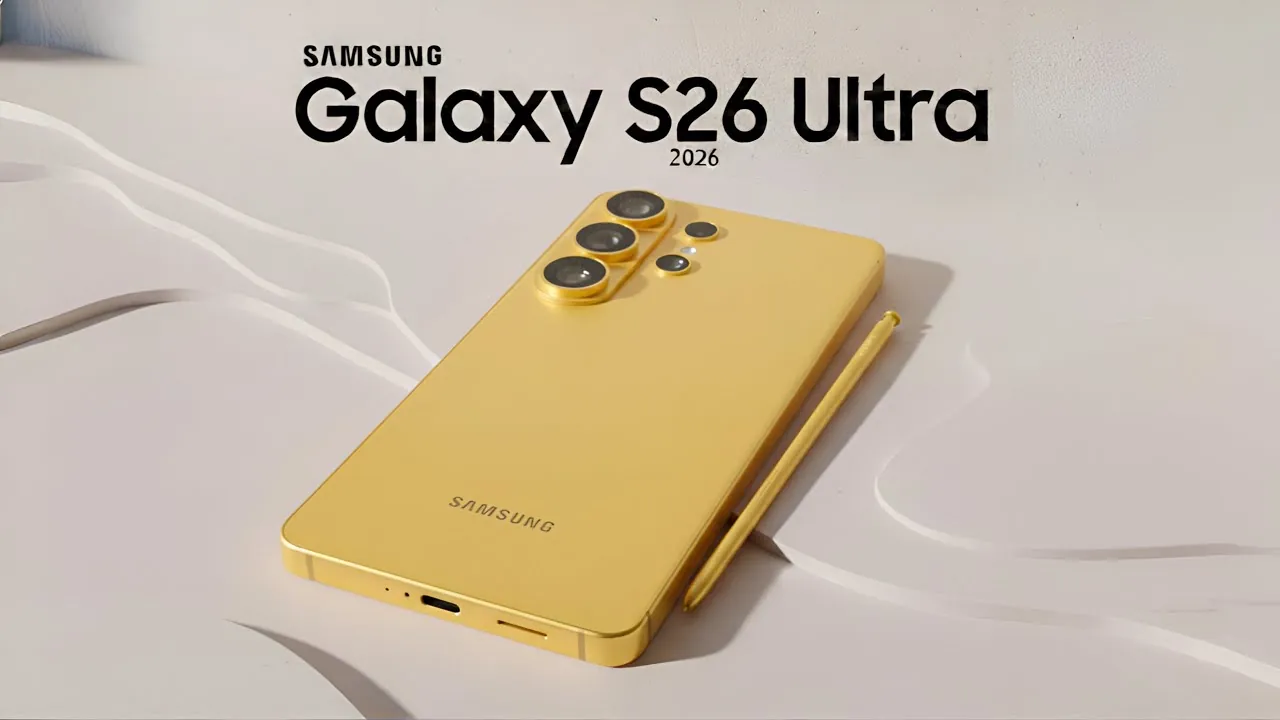
The Samsung Galaxy S26 Ultra is poised to be a significant milestone in the evolution of Samsung’s flagship smartphone lineup. While much of the attention has been drawn to its design refinements and performance upgrades, one feature stands out as a potentially fantastic option: native satellite communication. This innovation could redefine how you stay connected, particularly in areas where cellular coverage is unavailable. Let’s explore the Galaxy S26 series, its delayed launch, and the features that could set it apart in a competitive market.

Launch Delays: A Strategic Move
Samsung has reportedly adjusted its traditional release schedule for the Galaxy S26 series. Instead of the usual January unveiling, the Galaxy Unpacked event is now expected to occur on February 25, 2026, with retail availability likely beginning around March 11, 2026. While this delay might seem minor, it could have significant implications. For Samsung, it provides additional time to refine the product and ensure a polished launch. For you, this means a slightly longer wait, but potentially a more feature-rich and reliable device.
The timing also positions Samsung to better compete with other flagship releases in the first quarter of 2026. By aligning its launch closer to competitors, Samsung could capture more attention and market share, making sure the Galaxy S26 series stands out in a crowded field.
A Simplified Lineup for Clarity
Samsung is rumored to be streamlining its Galaxy S26 lineup, making it easier for you to choose the model that best suits your needs. The familiar Galaxy S26 Edge is expected to be replaced by the Galaxy S26 Plus, leaving three distinct models:
- The standard Galaxy S26
- The mid-tier Galaxy S26 Plus
- The premium Galaxy S26 Ultra
This approach simplifies the decision-making process while making sure each model offers unique value. Whether you prioritize affordability, balanced performance, or innovative features, the Galaxy S26 series aims to cater to a wide range of preferences.
Refined Design with Subtle Enhancements
While the Galaxy S26 series is not expected to feature a radical redesign, Samsung is likely focusing on evolutionary updates that enhance usability and aesthetics. Anticipated design tweaks include slimmer bezels, improved ergonomics, and enhanced durability. These changes could make the devices more comfortable to hold and visually appealing, all while maintaining the sleek and modern design language that Samsung users have come to expect.
The emphasis on durability may also include advancements in materials, potentially offering better resistance to drops and scratches. For you, this means a device that not only looks premium but also stands up to the rigors of daily use.
Display Technology: Raising the Bar
Samsung’s reputation for leading the industry in display technology is expected to continue with the Galaxy S26 series. The devices are rumored to feature several key upgrades, including:
- Higher refresh rates for smoother scrolling and gaming
- Improved brightness for enhanced outdoor visibility
- Better energy efficiency to extend battery life
These advancements could significantly enhance your experience, whether you’re streaming videos, playing games, or simply navigating your device. The combination of vibrant colors, sharp resolution, and fluid performance ensures that the Galaxy S26 series will remain a top contender in display quality.
Native Satellite Communication: A Connectivity Revolution
The most intriguing feature of the Galaxy S26 Ultra is its rumored native satellite communication capability. This technology could allow you to send messages or make emergency calls in areas without cellular coverage, offering a critical lifeline in remote or disaster-stricken locations. Unlike similar features from competitors, Samsung is reportedly working with Skylow to make this functionality carrier-independent, potentially broadening its accessibility and utility.
While the concept is promising, questions remain about its cost, functionality, and regional availability. If Samsung successfully implements this feature, it could set a new standard for smartphone connectivity, particularly for outdoor enthusiasts, travelers, and those in remote areas. For you, this means the possibility of staying connected in situations where traditional networks fail.
Comparing the Competition
Samsung’s approach to satellite communication is already drawing comparisons to Apple’s implementation in the iPhone 14 series. Apple’s feature, limited to emergency SOS and reliant on carrier partnerships, offers a narrower scope of functionality. In contrast, Samsung’s rumored carrier-independent model could provide greater flexibility and broader applications. This distinction could make the Galaxy S26 Ultra a more versatile option for users seeking reliable connectivity in challenging environments.
However, the lack of detailed specifications leaves room for speculation. For you, this means weighing the potential benefits of Samsung’s approach against the uncertainties surrounding its execution.
Anticipation and Questions
The Galaxy S26 Ultra has generated a mix of excitement and curiosity. FCC filings confirm the presence of satellite communication hardware, but the absence of detailed information has left many wondering how the feature will perform in real-world scenarios. For you, this creates a sense of anticipation tempered by the need for clarity on practical aspects such as cost, ease of use, and compatibility.
Beyond satellite communication, the Galaxy S26 Ultra’s combination of design refinements, display innovations, and performance upgrades positions it as a compelling choice in the premium smartphone market. However, the true impact of its features will only become clear once the device is in users’ hands.
Looking Ahead
The Samsung Galaxy S26 Ultra represents a bold step forward in smartphone technology, blending incremental improvements with potentially fantastic innovations. From its delayed launch to the introduction of native satellite communication, the series has the potential to redefine what you expect from a flagship device. As the February 2026 launch approaches, all eyes will be on Samsung to see if it can deliver on its promises and set a new benchmark for connectivity and design.
Expand your understanding of Native satellite communication with additional resources from our extensive library of articles.
- New iPhone? 10 Mind-Blowing Features You HAVE to Try
- The Ultimate Guide to the Best iOS Features of 2024
- iPadOS 18.5 RC: A First Look at the Latest Updates
- Space Solar Power Satellites vs Ground Arrays
- iOS 27 Leaks: The Update That Prioritizes Speed Over New Gimmicks
Source & Image Credit: Demon’s Tech
Disclosure: Some of our articles include affiliate links. If you buy something through one of these links, Geeky Gadgets may earn an affiliate commission. Learn about our Disclosure Policy.
