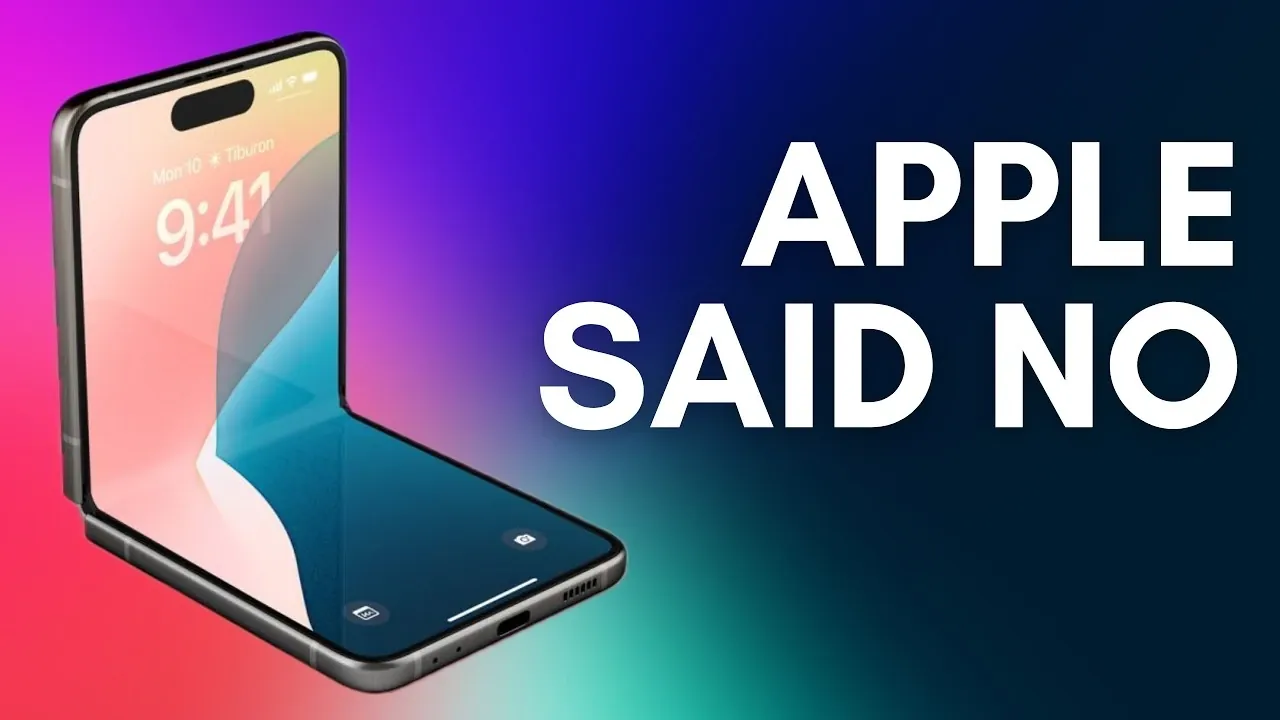
Apple has officially decided to cancel its plans for a clamshell-style foldable iPhone, often referred to as the “iPhone Flip.” After extensive evaluation, the company concluded that the flip design offers only limited practical benefits, such as saving pocket space, while introducing significant compromises in functionality and user experience. Instead, Apple is redirecting its efforts toward developing a book-style foldable iPhone, a design that aligns more closely with its philosophy of delivering meaningful innovation and user-focused solutions.

Why Apple Abandoned the Flip-Style iPhone
If you were anticipating a compact, flip-style foldable iPhone, Apple’s decision may feel like a letdown. However, the company’s reasoning is rooted in its commitment to quality and functionality. While clamshell foldables have gained traction in the market, Apple determined that the trade-offs associated with this design outweigh its benefits. Here are the primary reasons why the flip-style iPhone was shelved:
- Limited Internal Space: The compact nature of a flip phone restricts the space available for internal components. This often results in smaller batteries, reduced camera performance and other compromises, areas where Apple has consistently set high standards.
- Narrow Appeal: The main advantage of a flip phone is its portability. However, Apple concluded that this feature alone does not justify the introduction of a product that could compromise other key aspects of the user experience.
Apple’s decision reflects its broader strategy of prioritizing functionality and user satisfaction over following fleeting trends. By avoiding a flip-style design, the company ensures that its products remain aligned with its core values of quality and innovation.
Apple’s Design Philosophy: Innovation with Purpose
Apple’s approach to product development has always been deliberate and calculated. The company avoids releasing products simply for the sake of novelty, instead focusing on technologies that provide clear, tangible benefits to users. This philosophy has guided Apple’s decisions for years and continues to shape its stance on foldable technology.
For instance, Apple’s adoption of features like OLED displays and 5G connectivity came only after these technologies had matured enough to meet the company’s high standards. Similarly, Apple’s cautious approach to foldable devices ensures that any product it introduces will deliver a seamless and optimized user experience. This commitment to purposeful innovation is a hallmark of Apple’s design philosophy and explains why the company is focusing on a book-style foldable iPhone rather than a clamshell design.
Lessons from the iPhone Mini
Apple’s experience with the iPhone Mini offers valuable insights into its decision to forgo a flip-style foldable. Despite receiving positive reviews, the iPhone Mini (available in the 12 and 13 series) struggled to achieve widespread popularity. The limited demand for smaller smartphones highlighted the challenges of catering to niche markets.
The overlap between the portability of a flip phone and the compact design of the iPhone Mini likely influenced Apple’s decision. Both products appeal to a relatively small segment of users, making them less viable from a market perspective. Instead of targeting a niche audience, Apple is focusing on designs with broader appeal and greater potential for long-term success.
Shifting Focus to a Book-Style Foldable iPhone
Rather than pursuing a flip phone, Apple is reportedly channeling its resources into developing a book-style foldable iPhone. This design would feature a larger internal display that unfolds to provide tablet-like functionality, offering a more versatile and practical solution for users. Here’s what this could mean for you:
- Enhanced Multitasking: A larger screen would enable advanced multitasking capabilities, such as split-screen functionality, allowing you to run multiple apps simultaneously with ease.
- Versatility: The device could seamlessly transition between smartphone and tablet modes, offering greater flexibility for productivity, entertainment and creative tasks.
- Improved User Experience: The book-style design aligns with Apple’s goal of delivering meaningful upgrades that enhance everyday usability.
This shift in focus underscores Apple’s commitment to creating devices that offer practical benefits and align with its high standards for quality and innovation.
A Strategic Approach to Foldable Technology
Apple’s cautious entry into the foldable market is part of a broader, strategic approach. By prioritizing a book-style foldable design, the company can achieve several key objectives:
- Assess consumer interest and market demand for foldable devices before committing to additional designs.
- Refine its foldable technology to ensure durability, usability and performance meet its rigorous standards.
- Establish a strong foundation for potential future designs, such as a clamshell foldable, if market conditions evolve to support such a product.
This methodical approach minimizes risks and ensures that any foldable iPhone Apple introduces will be a polished, high-quality product that meets the expectations of its users.
Potential Impact on the Foldable Market
Apple’s eventual entry into the foldable market, even with a book-style design, is likely to have a significant impact. As a leader in the tech industry, Apple’s adoption of foldable technology could drive broader changes across the market. Here’s how:
- App Optimization: Apple’s influence could encourage developers to optimize apps for foldable displays, enhancing the overall user experience for all foldable devices.
- Competitive Innovation: Apple’s entry could push competitors to refine their designs and introduce new innovations to stay competitive.
- Increased Consumer Interest: Apple’s involvement in the foldable market could boost consumer confidence and interest in foldable devices, driving broader adoption and growth in this segment.
For you, this means access to a more robust ecosystem of foldable products and applications, spurred by Apple’s influence and commitment to quality.
Innovation Over Trends
By canceling plans for an iPhone Flip, Apple has reaffirmed its dedication to meaningful innovation. The decision to focus on a book-style foldable iPhone highlights the company’s commitment to delivering practical benefits, such as enhanced multitasking and tablet-like functionality, rather than chasing trends for short-term appeal.
While the clamshell design may attract some users, Apple’s strategic approach prioritizes long-term impact and user satisfaction. Whether or not you’re ready to embrace foldable devices, Apple’s deliberate entry into this space has the potential to reshape the market and set new benchmarks for innovation and usability.
Here are more guides from our previous articles and guides related to iPhone Fold that you may find helpful.
- Apple’s iPhone Fold: Everything We Know So Far
- Apple’s Foldable iPhone: Features, Design, and Release Date
- Iphone Fold Leak: 8-inch Display and a $2,500 Price Point
- Apple Foldable iPhone: Design, Features, and Pricing Revealed
- Apple’s 2026 iPhone Lineup: iPhone Fold and 18 Pro Details
- iPhone Fold Rumors: What to Expect from Apple’s First Foldable
Source & Image Credit: SaranByte
Disclosure: Some of our articles include affiliate links. If you buy something through one of these links, Geeky Gadgets may earn an affiliate commission. Learn about our Disclosure Policy.
