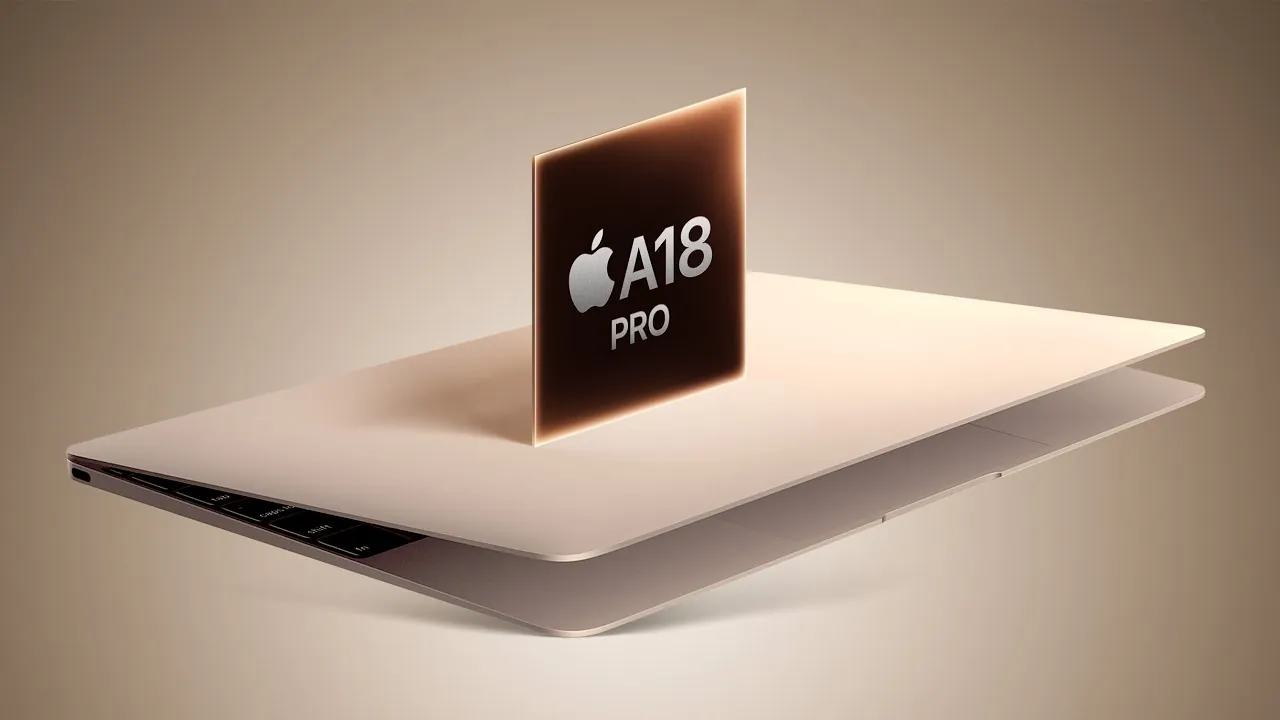
Apple is reportedly preparing to introduce a more budget-friendly MacBook, marking a significant expansion of its laptop lineup. This new model is expected to feature the A18 Pro chip, a processor originally designed for iPhones, and aims to deliver a balance between performance and affordability. With a lightweight design, a 13-inch display, and an estimated price range of $699 to $899, this device could reshape the entry-level laptop market within Apple’s ecosystem. Production is anticipated to commence in late 2025, with a release projected for 2026. This move signals Apple’s intent to reach a broader audience, particularly students and casual users seeking a reliable yet cost-effective device. The video below from MacRumors gives us more details.

What Powers the New MacBook: The A18 Pro Chip
At the heart of this upcoming MacBook lies the A18 Pro chip, first introduced in the iPhone 16 Pro and Pro Max. While originally designed for mobile devices, this processor is expected to deliver performance comparable to Apple’s M1 chip for CPU tasks, alongside enhanced graphics capabilities. This makes it well-suited for everyday computing needs, such as:
- Web browsing
- Document editing
- Streaming and media consumption
Despite its strengths, the A18 Pro chip comes with certain trade-offs. For instance, it lacks Thunderbolt support, which limits high-speed data transfer and advanced connectivity options. Additionally, the MacBook will be restricted to 8GB of RAM, which could pose challenges for users requiring extensive multitasking or running resource-intensive applications. These compromises reflect Apple’s strategy to prioritize affordability while maintaining a baseline level of performance.
Compact and Lightweight Design
The new MacBook is expected to feature a 13-inch display, offering a compact and portable form factor. Its ultra-thin, lightweight design is reminiscent of the discontinued 12-inch MacBook, making it an attractive option for users who prioritize portability. Apple may also introduce a range of vibrant color options, including:
- Silver
- Blue
- Pink
- Yellow
This design approach underscores Apple’s commitment to blending aesthetics with functionality, catering to students, professionals, and casual users who are frequently on the move. The lightweight build and potential for bold color choices could make this MacBook a standout option in its price category, appealing to those seeking both style and practicality.
Affordable Pricing with Strategic Trade-Offs
One of the most compelling aspects of this MacBook is its affordable price point, estimated between $699 and $899. This positions it as one of the most accessible laptops in Apple’s lineup, opening the door for a wider range of consumers to enter the Apple ecosystem. By using the A18 Pro chip and omitting premium features like Thunderbolt, Apple aims to reduce costs while maintaining its reputation for quality and reliability.
This pricing strategy could make the device a strong competitor in the entry-level laptop market, particularly against Windows-based alternatives. While the MacBook may lack some advanced features, its focus on delivering essential functionality at a lower price highlights Apple’s effort to provide widespread access to access to its technology without compromising on core user experience.
Limitations to Keep in Mind
While the new MacBook offers a promising combination of features and affordability, it does come with certain limitations that potential buyers should consider. These include:
- No Thunderbolt support, restricting high-speed data transfers and advanced connectivity options.
- Support for only a single external display, which may not meet the needs of users accustomed to multi-monitor setups.
These trade-offs are a direct result of Apple’s effort to balance cost and functionality. While they may not affect casual users or students, professionals with more demanding workflows might find these limitations restrictive. Nonetheless, the device remains a compelling option for those seeking a reliable, entry-level MacBook at an accessible price.
Production Timeline and Market Positioning
Production of the new MacBook is expected to begin in late 2025 or early 2026, with a release likely in 2026. This timeline suggests that Apple is carefully planning its launch to align with market demand and production capabilities. By introducing this model, Apple could fill the gap left by the discontinued M1 MacBook Air, offering a modern alternative for budget-conscious consumers.
The new MacBook is poised to compete directly with entry-level Windows laptops, using Apple’s reputation for seamless integration, build quality, and software optimization. Its introduction could also serve as a strategic move to attract first-time Mac users, particularly students and casual consumers, into the Apple ecosystem.
Expanding Apple’s Reach in the Laptop Market
Apple’s upcoming low-cost MacBook represents a calculated effort to expand its presence in the entry-level laptop market. By incorporating the A18 Pro chip, a lightweight and portable design, and an affordable price point, the device is positioned to attract a diverse range of users. While it may lack some advanced features, its focus on essential functionality and accessibility demonstrates Apple’s commitment to innovation across all price tiers. As production gears up for a 2026 release, this MacBook could redefine what consumers expect from an affordable laptop within Apple’s ecosystem, setting a new benchmark for quality and value in its category.
Unlock more potential in Low-cost MacBook by reading previous articles we have written.
- Apple MacBook SE: Release Date & Price BOMBSHELL
- Apple’s Affordable MacBook: Features, Price, and Release Date
- Best Refurbished & Restored Tech, Discounts & Sales – StackSocial
- How to Build a Low Cost SFF 1440p Gaming PC
- Chuwi LarkBox Pro tiny mini PC from $219
Source & Image Credit: MacRumors
Disclosure: Some of our articles include affiliate links. If you buy something through one of these links, Geeky Gadgets may earn an affiliate commission. Learn about our Disclosure Policy.
