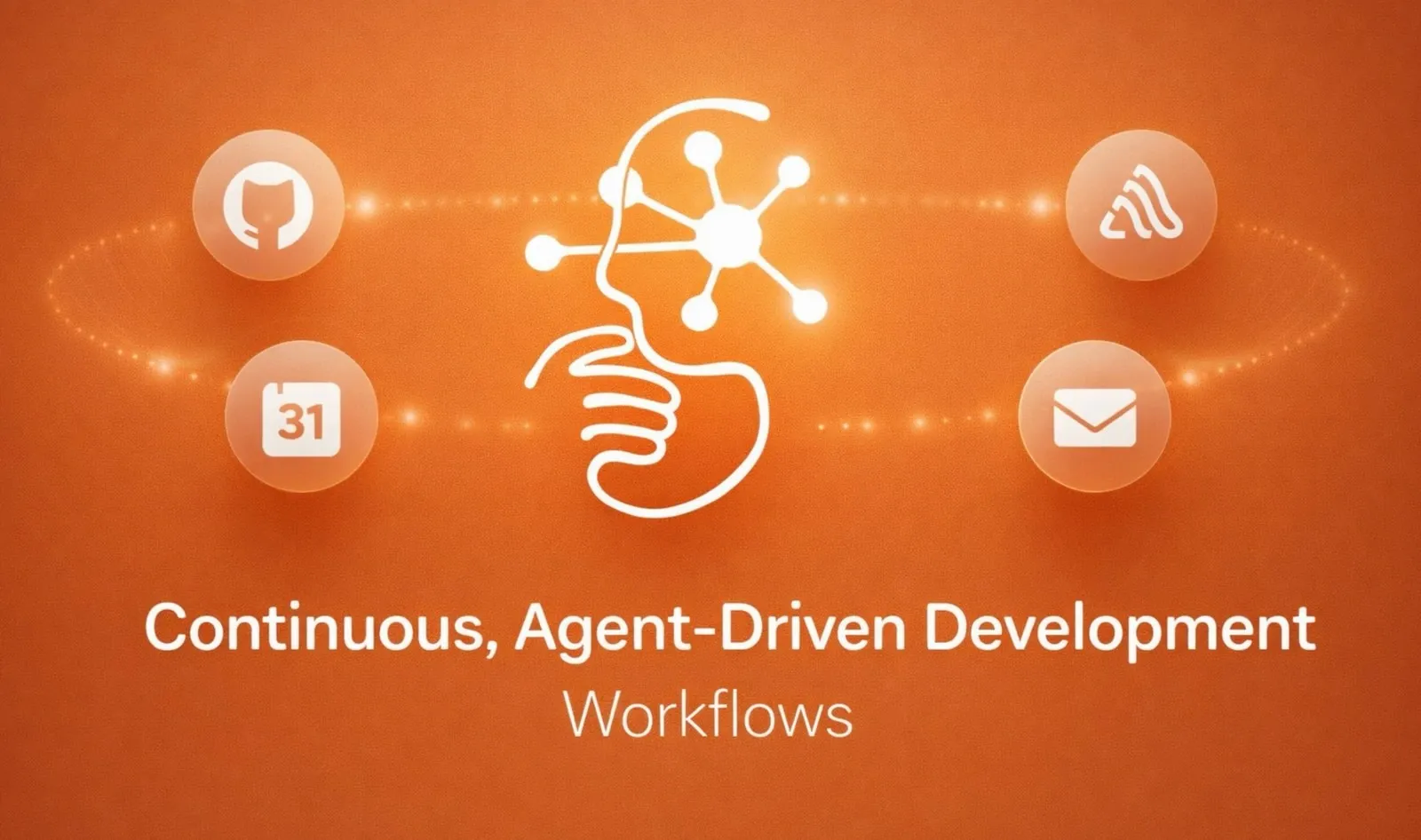
Anthropic has introduced an update to its cloud-based coding platform that changes how recurring tasks are managed in software development. According to Ray Amjad, developers can now execute recurring tasks directly on Anthropic’s servers, eliminating the need for local machine resources. This functionality supports automating workflows like dependency audits and pull request updates, while integrating with services such as GitHub and Sentry to enhance project oversight and consistency.
Explore how this update incorporates a scalable “software factory” model, where AI agents are assigned specific development roles. Gain insight into its integration with communication and error-tracking systems, its ability to maintain continuous development cycles and its potential to streamline project management in AI-driven environments.
Transforming Recurring Cloud-Based Tasks
TL;DR Key Takeaways :
- Anthropic’s updated cloud code platform introduces a “software factory” model, allowing AI agents to automate recurring tasks and streamline software development processes.
- The platform allows recurring cloud-based tasks to run directly on servers, eliminating reliance on local machines and freeing up resources for developers.
- Seamless integration with tools like GitHub, Sentry and Telegram enhances workflows by automating error tracking, communication and repository management.
- The “software factory” model shifts developers’ roles toward overseeing AI-driven pipelines, emphasizing strategic decision-making and quality assurance over manual coding.
- AI-driven development accelerates delivery timelines, fosters continuous improvement and positions developers to adapt to evolving industry demands while addressing challenges like AI-generated errors.
A key feature of Anthropic’s platform is its capability to manage recurring cloud-based tasks with unprecedented efficiency. Traditionally, developers relied on local machines to execute automated processes, which demanded constant oversight and consumed valuable resources. Anthropic’s update eliminates this dependency by allowing tasks to run directly on their servers, making sure uninterrupted execution and freeing up local resources.
Key benefits of this feature include:
- Flexible scheduling of tasks on an hourly, daily, or custom basis to meet diverse project needs.
- Automation of repetitive workflows, such as fixing pull requests, auditing dependencies, or updating documentation.
- Allowing developers to focus on strategic priorities rather than routine maintenance tasks.
For instance, an AI agent can identify outdated dependencies within a project, generate pull requests to update them and even implement the changes autonomously. This capability not only saves time but also ensures consistency and accuracy in routine tasks, reducing the risk of human error.
Seamless Integration with Essential Tools
Anthropic’s platform is designed to integrate effortlessly with a variety of tools, enhancing its adaptability to existing workflows. By connecting with platforms such as Gmail, Google Calendar and Sentry, the platform enables you to automate and streamline communication, scheduling and error tracking.
Notable integrations include:
- GitHub: AI agents can monitor repositories, identify issues and generate pull requests to resolve them, making sure efficient and responsive development pipelines.
- Telegram: Real-time communication ensures instant updates on task progress, bug fixes and deployment statuses, keeping teams informed and aligned.
- Sentry: Automated error tracking and reporting allow for faster identification and resolution of issues, minimizing downtime and improving software reliability.
These integrations empower developers to manage multiple projects simultaneously while maintaining high levels of efficiency and oversight. By automating routine tasks and centralizing communication, Anthropic’s platform reduces the complexity of project management.
Find more information on Claude Code by browsing our extensive range of articles, guides and tutorials.
- Anthropic Claude Code Review Preview: Multi-Agent Pull Request Reviews
- Claude Code Skills 2.0 : Workflow Skills vs Capability Uplift Skills
- Claude Code 2 Feature Update: Automation, Workspace Links, and Skill Scoring
- Tired of Claude Code Permission Prompts? Try This New Feature
- Nested Claude Code System for Parallel Work in Tmux on macOS
- Claude Code 2.1 Custom Output Modes for Beginners & Pros
- Claude Code 2 Adds Multi-Agent Code Review for Team & Enterprise
- Guide to Installing Claude Code on Windsurf and Cursor
- Agent Browser Lets Claude Code Control Chromium for Automations
- Claude Code Update: LSP Support, Sub-Agents, and Ultrathink
The Software Factory Model: A New Paradigm
Anthropic’s “software factory” model introduces a fantastic approach to software development. In this model, AI agents take on tasks traditionally performed by developers, such as fixing bugs, implementing features and running tests. These agents operate continuously, allowing 24/7 development cycles and significantly accelerating software delivery timelines.
As a developer, your role evolves in this model. Instead of focusing solely on writing code, you oversee and optimize automated pipelines, making sure that AI agents perform tasks accurately and efficiently. This shift emphasizes strategic decision-making, pipeline management and quality assurance over manual coding, reflecting the growing influence of AI in the industry.
The software factory model also fosters a culture of continuous improvement. With AI agents capable of working around the clock, updates, bug fixes and new features can be deployed at unprecedented speeds. This approach not only shortens development cycles but also enhances the overall quality and reliability of software.
Implications and Opportunities in AI-Driven Development
The adoption of AI-driven development pipelines has far-reaching implications for the future of software engineering. By using AI agents to automate repetitive tasks, developers can achieve higher productivity and focus on more complex, strategic challenges. This shift has the potential to redefine industry standards and set new benchmarks for efficiency.
Potential advancements include:
- Daily or even hourly deployment of updates and features, allowing rapid iteration and continuous delivery.
- Increased productivity through the automation of routine tasks, allowing developers to concentrate on innovation and problem-solving.
- The emergence of “lights-out” software factories, where minimal human intervention is required for day-to-day operations.
In such environments, developers play a critical role in designing and refining the infrastructure that supports AI-driven workflows. By embracing these changes, you can position yourself at the forefront of a rapidly evolving industry.
Addressing Challenges and Making sure Quality
While the potential of AI-driven development is immense, it is not without challenges. Current AI models, though advanced, are not infallible. They may introduce bugs, overlook edge cases, or misinterpret complex requirements. As a developer, your vigilance is essential to ensure quality and reliability in AI-generated outputs.
Key considerations include:
- Regularly reviewing AI-generated outputs to catch errors and maintain high standards of quality.
- Adapting to new roles that emphasize pipeline management, AI integration and system optimization.
- Preparing for the evolving skill demands of an increasingly automated industry, including expertise in AI tools and techniques.
These challenges underscore the importance of a balanced approach that combines the efficiency of AI with the expertise of human oversight. By addressing these considerations proactively, you can maximize the benefits of AI-driven development while minimizing potential risks.
Exploring the Future of Software Engineering
Anthropic’s update offers you an opportunity to explore the potential of AI-driven development firsthand. By setting up small-scale software factories, you can experiment with automation and gain valuable insights into how AI enhances workflows. This hands-on approach allows you to familiarize yourself with the tools and techniques shaping the future of software engineering.
As the industry continues to evolve, embracing AI-driven development will be crucial for staying competitive. By using the capabilities of Anthropic’s platform, you can position yourself to thrive in a landscape defined by innovation, efficiency and continuous improvement.
Media Credit: Ray Amjad
Disclosure: Some of our articles include affiliate links. If you buy something through one of these links, Geeky Gadgets may earn an affiliate commission. Learn about our Disclosure Policy.
