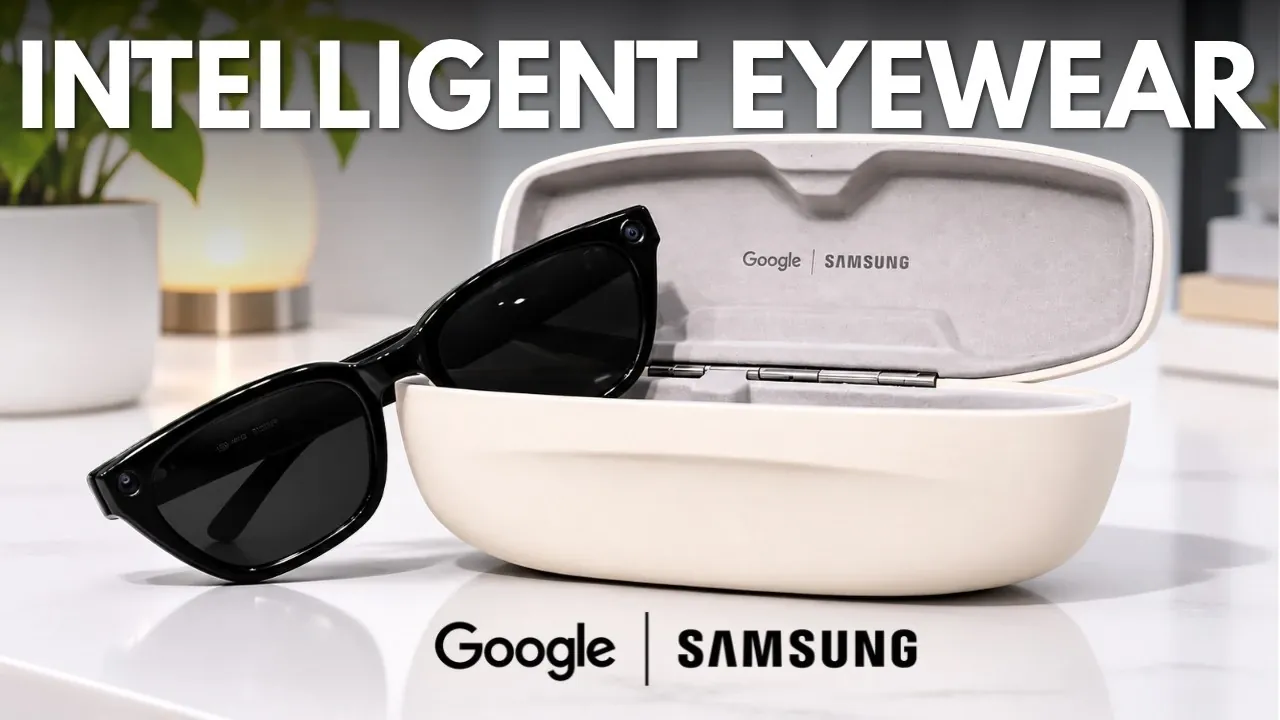
The Android XR Intelligent Eyewear, developed by Google and Samsung, combines Gemini AI capabilities with lightweight, voice-driven functionality. At just 41 grams, these glasses feature a 12-megapixel camera, open-ear speakers, and a battery life of up to nine hours per charge. However, the absence of a display and reliance on a paired smartphone limit their independence, as highlighted by Tech Court. Privacy concerns and compatibility constraints further shape their appeal.
Explore how these glasses balance accessibility with trade-offs, from the Guided Vision feature for low-vision users to the challenges of battery management for prescription lens wearers. You’ll also gain insight into design options from Warby Parker and Gentle Monster, pricing tiers starting at $395, and privacy safeguards like recording indicators. This feature offers a clear-eyed look at what to expect before considering a purchase.
Pre-Orders Open for Android XR Intelligent Eyewear
TL;DR Key Takeaways :
- Pre-orders for the Android XR Intelligent Eyewear, developed by Google and Samsung, began on November 12, 2026, starting at $395, with a release date set for December 10, 2026.
- The glasses feature a 12-megapixel camera, 3K video recording, open-ear speakers, and four microphones but lack a display, relying on voice interaction and audio responses for functionality.
- Google’s Gemini AI powers features like live translation, calls, messages, and Guided Vision, which is designed to assist users with low vision by describing objects and reading text, though privacy concerns have been raised about live view processing.
- Battery life is estimated at up to 9 hours per charge, but features like the camera and AI may drain it faster, potentially inconveniencing users with prescription lenses if the battery dies.
- Warby Parker offers the most affordable frames starting at $395, while Gentle Monster provides more stylish options at higher prices; guided demos are available at Warby Parker stores, select Google locations, and pop-up events in New York throughout November 2026.
Pre-orders for the Android XR Intelligent Eyewear, developed by Google and Samsung, began on November 12th, 2026, with prices starting at $395. The glasses are set to release on December 10th, 2026. Designed as a companion device for select Samsung, Pixel, and compatible iPhones, these smart glasses aim to integrate Google’s Gemini AI into daily life. However, they come with notable limitations.
Design and Frame Options
The eyewear is available through two brands: Warby Parker and Gentle Monster. Warby Parker offers three frame styles, Alden, Reed, and Ren, starting at $395, while Gentle Monster provides six styles priced between $449 and $489. Both brands support prescription, non-prescription, sunglass, and light-responsive lenses, offering over 30 combinations of styles and lenses to suit various preferences and needs.
Warby Parker frames are described as understated, while Gentle Monster offers bolder, fashion-forward designs. Most Gentle Monster frames also accommodate prescription lenses, though lens options increase the price. Buyers should consider their lens requirements when comparing costs.

Gain further expertise in Samsung and Google Smart Glasses by checking out these recommendations.
- Samsung Galaxy Glasses: Official Pre-Order Date and December Release Confirmed
- Upcoming Samsung Smart Glasses Ditch Displays for Google Gemini
- Are You Ready? Samsung’s Gemini-Powered Galaxy Glasses Land This November
- Samsung AI Smart Glasses Pre-Orders Start November 12th with Dec 2026 Launch
- 5 Smart Glasses Under $450 That Beat the $579 Ray-Ban Meta Gen 3
Key Features and Specifications
The Android XR Intelligent Eyewear includes a 12-megapixel camera capable of recording 3K video at 30 frames per second, two open-ear speakers, and four microphones. Weighing approximately 41 grams, the glasses lack a display, relying on voice interaction with audio responses. This absence of a display sets them apart from what some users might expect from “XR” branding.
As a companion device, the glasses require a smartphone for full functionality. If the paired phone is out of range or its battery dies, the glasses lose much of their utility. Samsung plans to release a wearable app to improve smartphone integration. Prospective buyers should confirm phone compatibility before ordering.
Gemini and Guided Vision
Google’s Gemini AI powers the glasses’ functionality. Users can activate it with a wake phrase or by pressing the frame, enabling features like live translation, calls, messages, music playback, and Google Meet. A standout feature, Guided Vision, is designed to assist users who are blind or have low vision by describing objects, reading text, and locating items. This could be the glasses’ most impactful capability.
Google states that all data stored on the glasses is encrypted, faces are blurred before images are processed, and third-party apps cannot perform real-time face identification. Users control which apps access the camera and microphone. However, analysts have raised concerns about live views processed by Gemini without saving a photo. While a light activates during saved recordings, it does not indicate live view processing, raising further privacy questions.
Battery Life and Privacy Considerations
Samsung estimates the glasses’ battery life at up to 9 hours per charge, with the charging case providing more than seven additional charges. However, features like the camera and Gemini AI can drain the battery faster. For users with prescription lenses, a dead battery could be particularly inconvenient, as it would render their primary glasses unusable. Keeping a backup pair or charging the glasses during the day is recommended.
Privacy concerns are common with wearable cameras. The glasses include an external LED to indicate active recording and an internal LED for the wearer. Recording stops if the glasses are removed, the external LED is covered, or the glasses are left on a surface due to wear detection. These privacy features align with those of Meta’s glasses, with Samsung adding an extra step. However, how these features perform in real-world use remains uncertain.
Competition and Market Position
The Android XR Intelligent Eyewear enters a competitive market. Ray-Ban Meta glasses, which have been tested by more users and have an established presence, remain a safer, proven choice. Meta has also introduced lower-priced glasses without the Ray-Ban branding, increasing competition at the entry level. For those seeking glasses with a display in the lens, no company has announced a release date for such a product, and these glasses do not include that feature.
Warby Parker offers the most affordable pre-order option, while Gentle Monster caters to users seeking more stylish designs at a higher price point. The lower end of the smart glasses market is becoming increasingly crowded, with new options emerging for budget-conscious buyers.
Availability and Demos
Warby Parker is hosting guided demos at over 360 stores, while some Google store locations will also offer guided demos. Additionally, both Warby Parker and Google will run pop-up events in New York throughout November 2026, providing opportunities for potential buyers to try the glasses before committing to a purchase. Booking a demo this month is recommended for those interested in a hands-on experience.
Who Should Consider These Glasses?
For Pixel or Galaxy phone users seeking Gemini functionality, the Android XR Intelligent Eyewear represents a promising first attempt. Warby Parker provides the most budget-friendly entry point, while Gentle Monster offers more fashionable options for those willing to pay a premium. Booking a demo and waiting for detailed reviews is advised before purchasing, unless prescription lenses are urgently needed.
Tech Court’s advice is clear: if you use a Pixel or Galaxy phone and want Gemini’s features, these glasses are a solid first attempt, with Warby Parker offering the most affordable entry point. For iPhone users or those prioritizing a more established option, Ray-Ban Meta glasses remain the safer choice, especially with their head start in the market. However, the glasses’ real-world performance, particularly in privacy and battery life, is still unproven. Booking a demo and waiting for reviews before committing is the recommended next step.
Media Credit: Tech Court
Disclosure: Some of our articles include affiliate links. If you buy something through one of these links, Geeky Gadgets may earn an affiliate commission. Learn about our Disclosure Policy.
