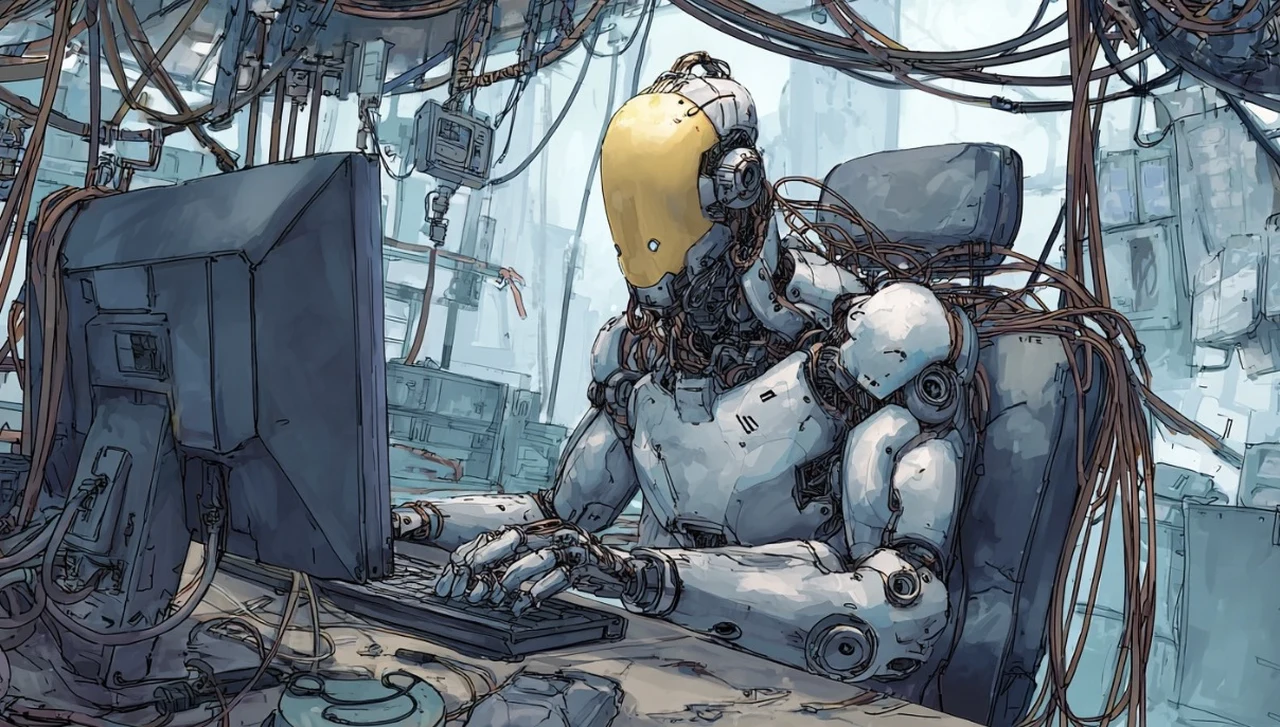
What if the very skill that powers our digital world, coding, was at risk of becoming obsolete? With the rapid rise of artificial intelligence (AI) automating tasks once reserved for human programmers, it’s easy to wonder: is learning to code still a valuable investment of time and effort? The answer might surprise you. While AI tools have transformed software development by generating code and streamlining workflows, they still rely on human expertise to debug, refine, and innovate. Coding is no longer just about writing lines of code, it’s about cultivating critical skills like problem-solving and adaptability that are indispensable in today’s fast-evolving technological landscape.
Below the JetBrains team explains why coding remains a cornerstone skill, even in an AI-driven world. From the enduring importance of computational thinking to the unique collaboration between human creativity and machine efficiency, you’ll discover how programming equips you to thrive in industries far beyond traditional software development. Whether you’re a curious beginner or a seasoned professional, understanding the evolving role of coding can help you navigate a future where technology and human ingenuity go hand in hand. As we delve deeper, you might find that learning to code is not just relevant, it’s essential for shaping the future.
Why Coding Still Matters
TL;DR Key Takeaways :
- Learning to code remains essential in an AI-driven world, fostering critical skills like computational thinking, problem-solving, and adaptability that are valuable across industries.
- AI is transforming software development by automating tasks and generating code, but human expertise is still crucial for debugging, refining, and making sure ethical standards.
- Coding cultivates computational thinking, allowing individuals to break down complex problems, identify patterns, and design effective solutions applicable beyond programming.
- The evolution of programming tools and languages underscores the importance of a strong technical foundation, making sure adaptability to emerging technologies like AI and machine learning.
- Coding careers are expanding into diverse fields such as healthcare, finance, and manufacturing, offering opportunities that combine technical expertise with critical thinking.
How AI is Changing Coding
AI is transforming software development by automating repetitive tasks, generating code snippets, and enhancing developer productivity. However, these advancements do not eliminate the need for human expertise. AI-generated code often requires your oversight to debug, refine, and ensure it aligns with project goals and ethical standards. This highlights the importance of programmers who can critically evaluate and improve upon AI-generated outputs.
AI tools, while powerful, have inherent limitations. They lack the contextual understanding, creativity, and ethical judgment necessary to address complex problems. As a programmer, your ability to interpret requirements, anticipate challenges, and craft innovative solutions remains irreplaceable. The collaboration between human expertise and AI tools underscores the enduring relevance of coding skills in the development process.
Why Computational Thinking Matters
Coding is not merely about writing lines of code, it’s about cultivating a mindset known as computational thinking. This approach to problem-solving involves breaking down complex challenges into smaller, manageable components, identifying patterns, and designing effective solutions. These skills are not confined to programming; they are valuable in fields such as data analysis, engineering, and even decision-making in everyday life.
Moreover, computational thinking enhances your understanding of how digital systems function. This knowledge enables you to interact with technology more effectively, bridging the gap between technical systems and user needs. As technology continues to evolve, the ability to think computationally will remain a critical asset, empowering you to adapt to new tools and innovations with confidence.
Is it Still Worth Learning to Code?

Advance your skills in AI coding by reading more of our detailed content.
- ChatGPT 5 vs Claude Opus 4.1: AI Coding Assistant Comparison
- Google Jules 2.0 : Free AI Coding Assistant & Tools for Everyone
- Codex vs Claude Code: A Detailed Comparison of AI Coding CLIs
- Claude Code vs Cursor: Which AI Coding Assistant is Right for You
- How Agent Swarm 2.0 Is Transforming Coding with AI Sub-Agents
- How the Claude SANDBOX Method Makes AI Coding 90% Faster
- ChatGPT 5 vs Claude Sonnet: Real-World AI Coding Comparison
- New Claude Code 2.0 Agentic AI Coding Agent : The Secret
- SpecKit Review: GitHub’s New Tool for Reliable AI Coding
- The differences between AI Programming vs Traditional Coding
Programming Through the Ages
The role of programmers has undergone significant evolution over the decades. From the early days of punch cards and assembly languages to the rise of high-level programming languages and modern frameworks, each technological leap has introduced new tools and methodologies. Despite these advancements, one constant remains: individuals with a strong technical foundation have always been in demand.
Today, programming languages and frameworks continue to evolve, but the core principles of software development, logic, structure, and problem-solving, remain unchanged. By learning to code, you gain the flexibility to adapt to these shifts, making sure your skills remain relevant in an ever-changing industry. This adaptability is particularly crucial as emerging technologies, such as AI and machine learning, reshape the software development landscape.
Learning to Code in the Age of AI
For beginners, the prospect of learning to code in an AI-driven world might seem daunting. However, it is more important than ever. The key is to start with a programming language or project that aligns with your interests. Whether it’s building a simple app, automating a task, or analyzing data, the process of learning, grasping logic, syntax, and problem-solving, is what truly matters.
A strong technical foundation equips you to navigate the evolving software development landscape. Coding is not just about mastering tools; it’s about understanding how systems work and how to improve them. This knowledge enables you to contribute meaningfully, whether you’re working on AI-driven projects or traditional software development. By embracing the challenges of coding, you position yourself to thrive in a dynamic and technology-driven world.
The Future of Coding Careers
AI is not here to replace developers but to complement their work. Organizations increasingly value programmers who can address the limitations of AI-generated code, making sure it is accurate, secure, and ethically sound. Your expertise in debugging, quality assurance, and innovation will remain essential as AI becomes more integrated into development workflows.
Beyond traditional software development, coding careers are expanding into diverse industries. Fields such as healthcare, finance, and manufacturing are increasingly reliant on technology, creating demand for professionals with technical expertise. Whether you’re designing software, managing digital systems, or exploring emerging technologies, coding opens doors to diverse and rewarding opportunities. These roles often require a combination of technical skills and the ability to think critically, making coding an invaluable asset in today’s job market.
Why Coding Remains Essential
In an era dominated by AI and automation, learning to code is not just a worthwhile pursuit, it is essential. Programming fosters critical thinking, problem-solving, and adaptability, all of which are invaluable as technology continues to evolve. While AI tools enhance productivity, they depend on human oversight to ensure quality, security, and innovation. By building a strong technical foundation and embracing the challenges of coding, you prepare yourself to thrive in a rapidly changing, technology-driven world. The ability to code not only enables you to contribute to the digital economy but also equips you with skills that transcend industries, making sure long-term career resilience.
Media Credit: JetBrains
Disclosure: Some of our articles include affiliate links. If you buy something through one of these links, Geeky Gadgets may earn an affiliate commission. Learn about our Disclosure Policy.
