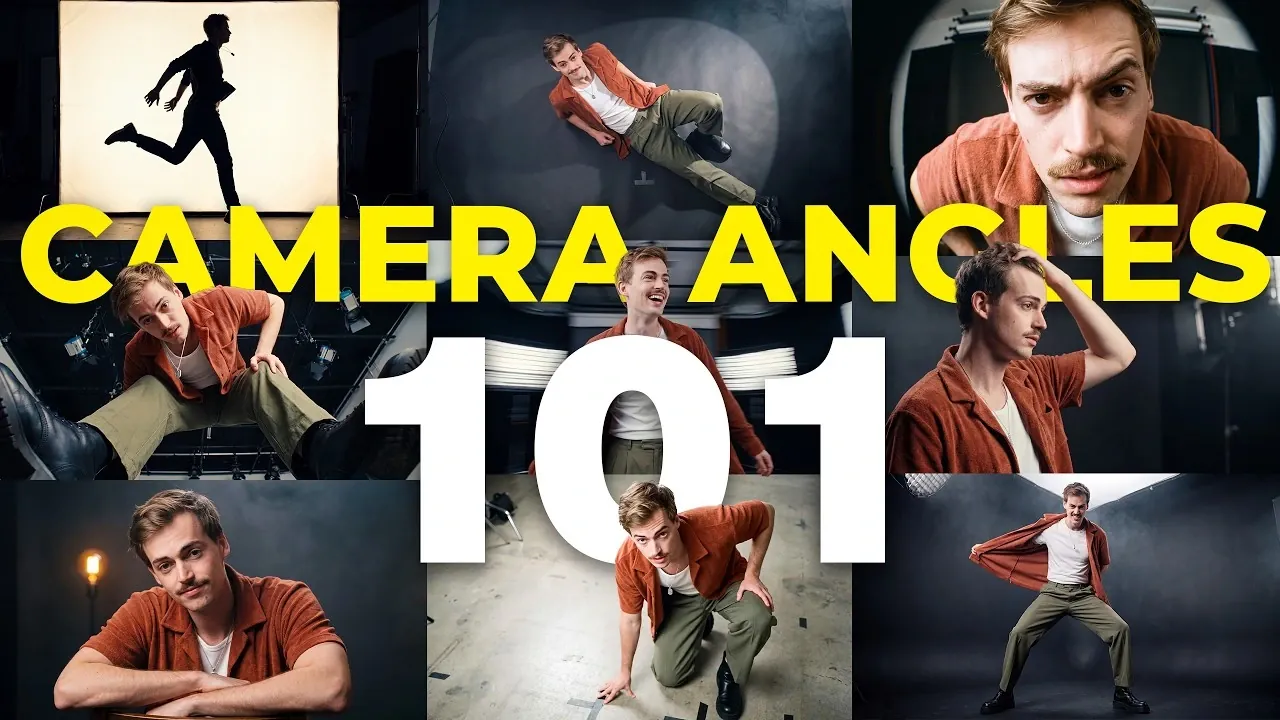
Camera movements play a crucial role in shaping the visual language of a film, guiding how viewers experience and interpret a story. In his breakdown, Dan Kieft examines a range of camera movements used in AI filmmaking, from static shots that emphasize simplicity to intricate techniques like infinite zooms and tilt-shift effects. For example, AI can replicate complex movements such as crane shots or Earth zoom outs, which traditionally require specialized equipment and large crews, offering filmmakers new ways to achieve cinematic results.
Explore how specific camera movements can influence the tone and pacing of your scenes. Learn the distinct purposes of techniques like dolly shots for creating depth, truck shots for lateral motion and static shots for maintaining focus. Gain insight into how AI simplifies the execution of these movements, making them more accessible for filmmakers working on diverse projects.
Essential Camera Movements
TL;DR Key Takeaways :
- Artificial intelligence (AI) is transforming filmmaking by simplifying complex camera movements, making them more accessible and customizable for creators of all levels.
- Mastering fundamental camera movements like static shots, pans, tilts and zooms is essential for establishing tone, focus and emotional depth in storytelling.
- Dynamic techniques such as dolly, truck, pedestal and slider shots add energy and depth, enhancing viewer engagement and creating a sense of motion.
- Specialized movements like first-person view, tilt-shift, infinite zoom and time-lapse push creative boundaries, offering unique visual effects and storytelling opportunities.
- AI tools analyze project themes and moods, recommend optimal camera movements and simulate advanced techniques like infinite zoom, allowing filmmakers to achieve their creative vision efficiently and cost-effectively.
Mastering fundamental camera movements is crucial for establishing the tone, focus and emotional depth of your scenes. These foundational techniques form the building blocks of effective visual storytelling.
- Static Shots: The camera remains stationary, keeping the subject in focus. This technique emphasizes stillness, contemplation, or intricate details within the frame, often drawing the viewer’s attention to subtle elements.
- Pan and Tilt: Horizontal (pan) or vertical (tilt) movements guide the viewer’s gaze across the scene. These movements are ideal for revealing new elements, creating a sense of exploration, or maintaining dynamic visual flow.
- Zooms: Adjusting the lens to zoom in or out can heighten tension, emphasize a subject, or shift focus to a specific detail. This technique is particularly effective for creating dramatic emphasis or directing attention within the frame.
Dynamic Camera Movements
Dynamic movements bring energy and depth to your scenes, enhancing viewer engagement and creating a sense of motion. These techniques are often used to add visual interest and emotional intensity.
- Dolly Shots: The camera physically moves closer to or farther from the subject, offering an intimate or detached perspective. This movement is often used to draw the audience into a scene or create a sense of distance.
- Truck Shots: A lateral movement where the camera slides sideways, often used to follow a subject or expand the scope of the scene. This technique is effective for maintaining continuity while exploring a broader environment.
- Pedestal Shots: Vertical camera movements that shift perspective, often highlighting scale or transitioning between levels. These movements are frequently used to emphasize grandeur or reveal new dimensions within a scene.
- Slider Shots: Short, controlled movements that add subtle dynamism to an otherwise static frame. These shots are ideal for creating smooth transitions or enhancing the visual appeal of close-up scenes.

Browse through more resources below from our in-depth content covering more areas on AI filmmaking.
- Ultimate Seedance 2 & Nano Banana 2 Workflow for Short Films With AI
- How Creators Are Finally Solving the AI Character Consistency Problem In Videos
- Top AI Video Models for Film Makers & Creators In 2026
- AI Filmmakers Are Blending Real Footage with AI : Here’s How It Works
- How Seedance 2.0 Solves the AI Character Consistency Problem in AI Films
- The AI Tool Giving Creators Total Control Over Every Camera Angle
- Create Seamless Short Films with Consistent Characters & Scenes from One AI Prompt
- AI Filmmaking Tools and Trends Shaping the Future of Cinema in 2025
- 8 Amazing AI Tools for Designers, Filmmakers and Creators
Tracking Shots
Tracking shots immerse the audience by following the subject’s movement, creating a seamless sense of continuity and flow. These movements are particularly effective for maintaining engagement and building narrative momentum.
- Follow Shots: The camera moves behind or alongside a character, pulling the viewer into their journey. This technique fosters a sense of connection and involvement with the subject.
- Reverse Tracking: The camera moves backward while keeping the subject in focus, often capturing emotional expressions or building dramatic tension. This movement is commonly used in reflective or suspenseful scenes.
- Chase Shots: High-energy movements that mirror the intensity of fast-paced action or suspenseful sequences. These shots are ideal for creating excitement and urgency in action-oriented narratives.
Human-Centric Camera Movements
Human-focused techniques add realism and emotional depth, making scenes feel more personal and relatable. These movements are particularly effective for conveying raw emotions and immersing the audience in the characters’ experiences.
- Handheld Shots: The natural shakiness of handheld cameras conveys rawness and immediacy, often used in emotionally charged or tense moments. This technique adds a sense of authenticity and intimacy to the scene.
- Body-Mounted Shots: Cameras attached to actors simulate the character’s perspective, creating an immersive or disorienting effect. These shots are often used to place the audience directly in the character’s shoes.
Aerial and Crane Movements
Aerial and crane techniques are ideal for capturing expansive views or dramatic transitions, offering a sense of scale and grandeur. These movements are often used to establish settings or create visually striking sequences.
- Crane Movements: Vertical movements using a crane provide sweeping views, often transitioning between scenes or showcasing large-scale environments. These shots are effective for emphasizing scale and movement.
- Drone Shots: High-altitude shots from drones offer smooth, dynamic perspectives, perfect for landscapes or action sequences. These movements are increasingly popular for their versatility and ability to capture unique angles.
Specialized Camera Techniques
Specialized movements allow filmmakers to push creative boundaries, adding unique visual effects and enhancing storytelling. These techniques often serve as visual metaphors or tools for creating surreal or abstract imagery.
- First-Person View: Simulates a character’s perspective, immersing the audience in their experience. This technique is particularly effective for creating a sense of immediacy and personal connection.
- Tilt-Shift: Creates a miniature effect by selectively blurring parts of the frame, lending a dreamlike or surreal quality. This movement is often used for artistic or experimental storytelling.
- Infinite Zoom: A continuous zoom effect that transitions seamlessly between scales, often used for abstract or surreal sequences. This technique is ideal for conveying a sense of wonder or exploration.
- Earth Zoom Out: Expands from a close-up detail to a global perspective, emphasizing scale and context. This movement is frequently used in documentaries or large-scale narratives.
- Time-Lapse: Compresses time to show changes in the environment or activity, effectively depicting the passage of time. This technique is commonly used to illustrate transformation or progression.
AI in Filmmaking: Simplifying Camera Movements
AI technologies are transforming filmmaking by making complex camera movements more accessible and customizable. Advanced tools such as AI prompt generators and models like Hicksfield, Seance and Cling empower filmmakers to experiment with intricate techniques without requiring expensive equipment or large crews.
For instance, AI can simulate advanced movements like infinite zoom or Earth zoom out with remarkable precision, saving both time and resources. Additionally, AI-driven tools can analyze your project’s mood or theme and recommend optimal camera movements to enhance emotional and visual impact. By using these technologies, filmmakers can align their storytelling seamlessly with their creative vision while maintaining efficiency and precision.
Camera movements are an indispensable element of effective storytelling in filmmaking. From foundational techniques like pans and tilts to advanced methods such as tilt-shift and infinite zoom, each movement plays a vital role in shaping the viewer’s experience. With the integration of AI tools, filmmakers now have unprecedented opportunities to explore and execute these techniques with ease, allowing them to craft visually stunning and emotionally engaging narratives.
Media Credit: Dan Kieft
Disclosure: Some of our articles include affiliate links. If you buy something through one of these links, Geeky Gadgets may earn an affiliate commission. Learn about our Disclosure Policy.
