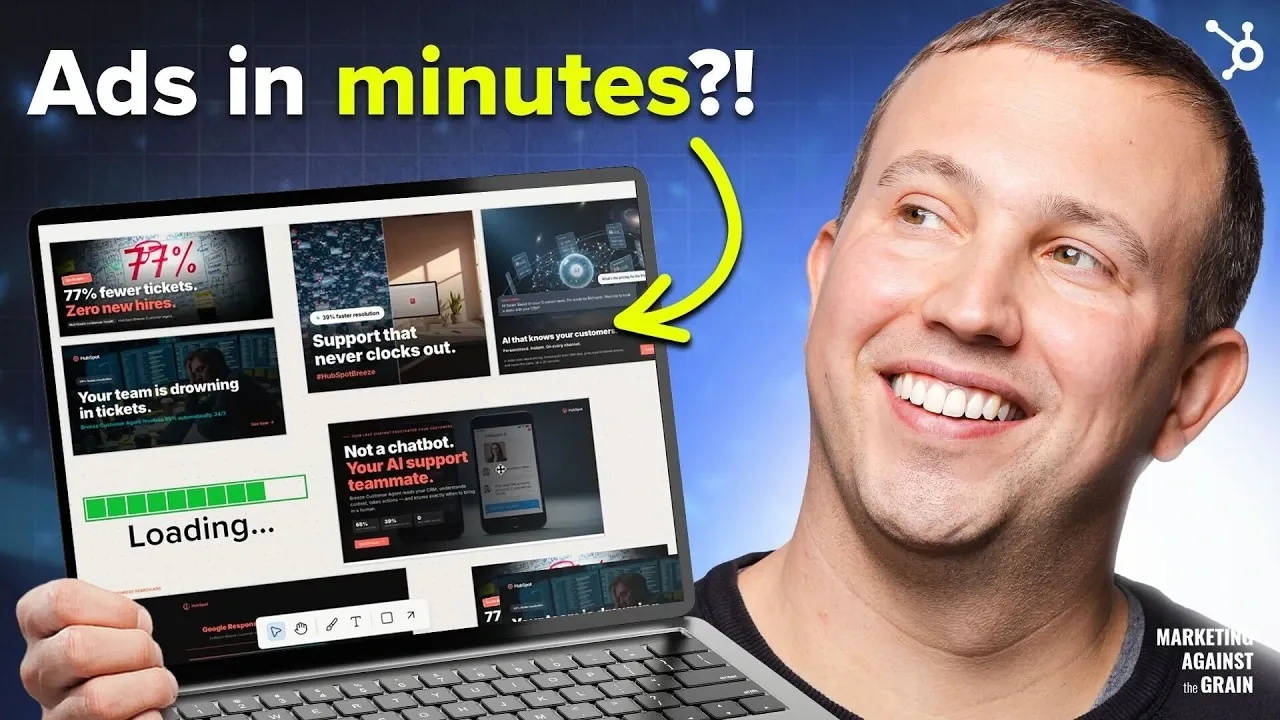
AI-generated ads can streamline marketing efforts, but their effectiveness depends on proper groundwork. According to Marketing Against the Grain, one critical step is crafting detailed prompts that include specifics like target audience, platform focus and campaign objectives. For example, a well-defined prompt might specify reaching 25–34-year-olds on Instagram with a focus on sustainability, making sure the AI generates content that aligns with both the brand’s voice and the campaign’s goals. Skipping this preparation can lead to ads that miss the mark or feel disconnected from your strategy.
Learn how to refine prompts for better results, incorporate human oversight to maintain brand consistency and adjust AI outputs through iterative testing. Gain insight into balancing automation with creative input and optimizing platforms like Replit 4 for ad creation. This overview provides practical steps to help you create ads that are both efficient and impactful.
The Importance of Prompt Refinement
TL;DR Key Takeaways :
- AI-powered tools like Replit 4 enable faster and more efficient ad creation but require detailed and well-structured prompts for optimal results.
- Refining prompts and aligning them with brand voice and objectives significantly improves the quality of AI-generated ads, reducing the need for multiple iterations.
- AI tools excel in generating initial ad concepts and copy, but manual refinement is often necessary to meet brand standards and ensure creative originality.
- Best practices for maximizing AI tools include refining prompts, establishing clear brand guidelines and combining AI-generated content with manual adjustments for a hybrid approach.
- AI tools like Replit 4, Canva and Super Scale offer complementary features, allowing marketers to create a tailored workflow for ad creation, visual refinement and performance optimization.
The foundation of any successful AI-generated ad lies in the quality of the input prompt. A detailed, well-structured prompt ensures the AI delivers relevant and impactful results. Tools like Claude Opus 4.6 can assist in refining prompts, helping them align with your brand’s voice, tone and objectives.
For instance, a vague prompt like “Create an ad for a fitness app” might result in generic content that fails to engage your target audience. In contrast, a more specific prompt, such as “Develop an Instagram ad targeting young professionals, highlighting the app’s personalized workout plans and user-friendly interface”—provides the AI with clear direction. By dedicating time to crafting precise prompts, you can significantly reduce the need for multiple iterations, saving both time and resources while making sure the output aligns with your goals.
Replit 4: A Comprehensive Ad Creation Tool
Replit 4 stands out as a versatile AI tool designed to streamline the ad creation process. By combining natural language processing with advanced design capabilities, it enables users to create ads tailored for platforms like LinkedIn, Instagram and Google Ads. One of its standout features is the “canvas” tool, which allows users to visually edit and refine ads, offering a hands-on approach to customization.
This platform excels in generating initial ad concepts and copy. For example, it can quickly draft Google search ad text or social media captions, providing a strong starting point for your campaigns. However, while Replit 4 is highly effective at generating ideas, achieving professional-quality ads often requires manual adjustments to fine-tune the visuals and messaging. This balance between AI-generated content and human refinement is key to creating ads that resonate with your audience.

Here are additional guides from our expansive article library that you may find useful on AI marketing.
- Claude Code Marketing Guide 2026 : Landing Pages, Emails & Paid Ads
- Claude Code AI Marketing Workflow : Landing Page to Lead Magnet
- Google Gemini 3 Deepthink Guide : Setup, Timing & Best Uses in 2026
- Claude Opus 4.6 vs GPT 5.2 : Professional Tasks Results
- Build an AI Marketing Team with Claude Code : Full 2026 Guide
- Manus AI Max Guide : No-Code Apps, Games, and Business Tools
- Obsidian Tips for 2026: Mobile 2.0, Bases Views & Canvas Workflows
- OpenClaw & OpenAI : Key Security Issues, Token Usage, and Next Steps
- Samsung Galaxy S26 Series: Features, Launch Date, Colors
Key Advantages of AI in Advertising
AI offers several distinct advantages that make it an invaluable tool for marketers. These benefits include:
- Speed: AI can rapidly generate initial ad concepts and copy, significantly reducing brainstorming time.
- Visual Mockups: Many AI tools provide visual previews of ads, aiding in early-stage planning and decision-making.
- Data-Driven Insights: AI can analyze industry trends and recommend best practices, helping you create ads that align with current market demands.
For example, AI tools can evaluate successful campaigns within your industry and suggest elements to incorporate into your ads, such as specific calls-to-action or design styles. This capability is particularly beneficial for small businesses or marketers with limited resources, as it provides actionable insights without requiring extensive market research.
Challenges and Limitations of AI Tools
Despite its many strengths, AI in advertising is not without its challenges. One significant limitation is the creative aspect of ad design. While AI can generate visuals, these often require substantial manual refinement to meet brand standards and aesthetic preferences. For instance, AI-generated imagery may lack the nuance or originality needed to stand out in competitive markets.
Another challenge is the cost associated with iterative processes. Many AI platforms operate on a credit-based or subscription model, where each generation of content incurs a fee. This makes it crucial to refine prompts and provide clear instructions from the outset, minimizing the number of iterations required. By doing so, you can optimize both your budget and the quality of the final output.
Best Practices for Maximizing AI Ad Tools
To fully use the capabilities of AI ad creation tools, consider adopting the following best practices:
- Refine Prompts: Spend time crafting detailed and specific prompts to guide the AI effectively.
- Establish Brand Guidelines: Provide clear instructions on your brand’s tone, style and “don’ts” to ensure consistency.
- Focus on Text-Heavy Ads: Use AI for ads where text is the primary focus, such as Google search ads, to maximize its strengths.
- Combine AI with Manual Refinement: Use tools like Canva to enhance AI-generated visuals and ensure they align with your brand’s aesthetic.
For example, when creating a Facebook ad, you might use AI to draft the copy and layout, then refine the visuals manually to ensure they resonate with your target audience. This hybrid approach allows you to capitalize on the efficiency of AI while maintaining creative control.
The Role of Iteration in Ad Optimization
Effective ad creation is an iterative process that evolves over time. While initial drafts may take hours, subsequent iterations become faster and more targeted as you gather data and feedback. Employing a structured approach, such as the loop marketing principles of express, tailor, amplify and evolve, can help guide this process.
For instance, you might start with a broad concept, refine it based on audience engagement metrics, amplify successful elements and further evolve the ad to maximize its impact. This iterative strategy ensures your ads remain relevant, engaging and aligned with your marketing objectives.
Comparing Replit 4 to Other Tools
Replit 4 is part of a growing ecosystem of AI-powered ad creation tools, each offering unique features tailored to different needs. Some notable alternatives include:
- Canva: Renowned for its visual design capabilities, Canva is an excellent complement to AI tools focused on text generation.
- Super Scale: This platform specializes in advanced analytics and optimization, making it ideal for data-driven marketers.
- Base 44: Known for its robust campaign tracking and performance analysis tools, Base 44 is a valuable resource for long-term ad management.
By understanding the strengths of each platform, you can create a workflow that uses the best features of multiple tools. For example, you might use Replit 4 for initial ad concepts, Canva for visual refinement and Super Scale for performance optimization.
Maximizing the Potential of AI in Advertising
AI tools like Replit 4 have transformed the landscape of ad creation, offering unparalleled speed and efficiency. However, their true potential lies in how they are used. By focusing on prompt refinement, embracing iterative optimization and combining AI capabilities with manual adjustments, you can create ads that not only capture attention but also drive results. With the right approach, AI becomes more than just a tool, it becomes a strategic partner in crafting high-quality, impactful advertisements.
Media Credit: Marketing Against the Grain
Disclosure: Some of our articles include affiliate links. If you buy something through one of these links, Geeky Gadgets may earn an affiliate commission. Learn about our Disclosure Policy.
