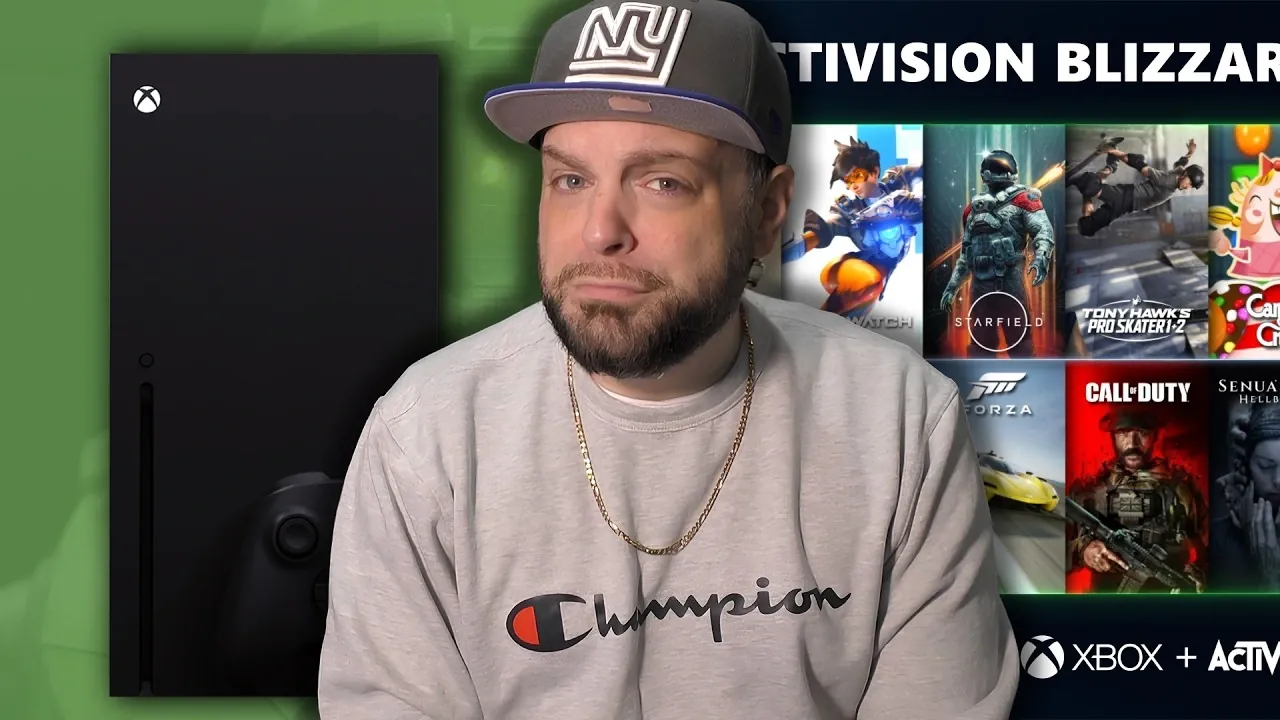
Xbox’s recent strategy adjustments have sparked discussions about the potential return of exclusive games and shifts in its Game Pass subscription model. According to RGT 85, new leadership under Asha Sharma may signal a departure from Xbox’s longstanding focus on accessibility. For years, titles like Halo and Forza have been available across multiple platforms, but overviews suggest that exclusivity could once again play a central role. This shift may alter Xbox’s competitive position while raising questions about how it aligns with the brand’s broader identity.
Learn how exclusivity could influence the release strategies for major titles like Fable and Gears of War. As well as potential changes to Game Pass, including the rumored removal of day-one releases and what these adjustments could mean for subscribers. Additionally, it will compare Xbox’s evolving approach to the strategies of PlayStation and Nintendo, offering a detailed look at how these moves might shape the gaming industry.
Xbox’s Leadership Change & Strategic Implications
TL;DR Key Takeaways :
- AshaSharma’s appointment as Xbox head signals potential strategic shifts, including a focus on exclusivity and reimagining the Game Pass model.
- Xbox may return to exclusive games to strengthen its brand identity, but this risks alienating fans accustomed to its cross-platform accessibility.
- Rumors suggest Game Pass could see significant changes, such as removing day-one releases, potentially impacting its appeal to subscribers.
- Shifting toward exclusivity aligns Xbox more closely with competitors like PlayStation and Nintendo but challenges its established inclusive reputation.
- Financial pressures, including the Activision Blizzard acquisition, are driving Xbox’s strategic decisions, balancing revenue growth with consumer trust.
The appointment of AshaSharma as the new head of Xbox marks a pivotal moment for the brand. Sharma, known for her innovative thinking and ability to adapt to evolving market trends, has sparked discussions about a possible departure from Xbox’s traditional approach. For years, Xbox has prioritized accessibility, offering games across consoles, PCs and cloud platforms. This inclusive strategy has positioned Xbox as a leader in cross-platform gaming, but it has also drawn criticism for lacking the exclusivity that defines competitors like PlayStation and Nintendo. Sharma’s leadership could signal a shift toward a more competitive, exclusivity-driven model, potentially reshaping Xbox’s identity in the process.
Could Exclusivity Make a Comeback?
One of the most debated topics surrounding Xbox’s future is the potential return to exclusive games. Historically, franchises like Halo and Gears of War were synonymous with the Xbox brand, serving as flagship titles that defined its identity. However, in recent years, Xbox has shifted toward making these games available on multiple platforms, broadening its audience but diluting its image as a console-first brand. A renewed focus on exclusivity could help Xbox differentiate itself in a crowded market, offering unique experiences that draw players to its ecosystem. However, this move comes with risks. Players who have come to value Xbox’s commitment to accessibility and cross-platform compatibility may feel alienated, creating a potential divide within its loyal fan base.
Is Xbox Killing Game Pass?

Here are more detailed guides and articles that you may find helpful on Xbox.
- Asha Sharma Takes over Xbox as Phil Spencer Exits in 2026
- 2027 Xbox Console Plans Include a PC-Style Hybrid & OEM Devices
- Xbox Orders 50 Million AMD Chips for Magnus Next-Gen Console
- PlayStation 6 vs Xbox Magnus with Zen 6 CPU and RDNA 5 GPU
- PS6 Price and Performance vs Xbox Magnus, What to Expect
- Best Gaming Handheld 2025: Legion Go 2 vs Ally X vs Claw 8
- ROG Xbox Ally X vs Lenovo Legion Go 2: Detailed Comparison
- ROG Xbox Ally X vs Lenovo Legion Go 2 : 2025 Handheld Guide
- How to Hack Your Xbox 360 Using a USB Flash Drive
- Xbox Ally X Durability Test: Is It Worth the Price Tag?
Game Pass: A Shift in Strategy?
Game Pass has been a cornerstone of Xbox’s success, offering players access to a vast library of games, including day-one releases, for a monthly subscription fee. This model has redefined how players engage with content, providing unparalleled value and convenience. However, rumors suggest that Xbox may be considering significant changes to Game Pass, including the removal of day-one releases. Such a move could help offset the financial burden of high-profile acquisitions like Activision Blizzard, but it also risks undermining the service’s appeal. For many subscribers, the promise of day-one access to major titles has been a key selling point. Altering this aspect of Game Pass could lead to dissatisfaction among existing users, even as it seeks to address broader financial pressures.
Challenges in Changing Course
Shifting to a model centered on exclusivity and altering the Game Pass structure would not be without its challenges. Over the years, Xbox has cultivated a reputation for inclusivity, emphasizing cross-platform compatibility and cloud gaming. These efforts have resonated with players who value flexibility and accessibility, creating a loyal customer base that appreciates the brand’s openness. A sudden change in strategy could lead to confusion and dissatisfaction, particularly among those who have invested in Xbox’s ecosystem for its inclusive approach. Balancing the desire for exclusivity with the need to maintain consumer trust will require careful planning and communication.
How Xbox Compares to Competitors
Xbox’s competitors, PlayStation and Nintendo, have long adhered to more traditional exclusivity models. PlayStation, for instance, has recently doubled down on console exclusives, scaling back its focus on PC gaming to strengthen its identity as a console-first brand. Nintendo, meanwhile, continues to thrive on the strength of its proprietary franchises, such as The Legend of Zelda and Super Mario, which remain exclusive to its platforms. In contrast, Xbox has often been perceived as a third-party publisher with hardware, a perception reinforced by its emphasis on Game Pass and cross-platform gaming. A shift toward exclusivity could help Xbox align more closely with its competitors, but it would also require a reevaluation of its broader market positioning.
Upcoming Titles and Consumer Expectations
Despite the uncertainty surrounding its future strategy, Xbox has a strong lineup of upcoming titles slated for release in 2026. Games like Halo 1 Remastered, Forza Horizon 6, Fable, and Gears of War are highly anticipated by fans. However, many of these titles are expected to be available on multiple platforms, complicating the narrative around exclusivity. Consumers have grown accustomed to Xbox’s current model, which prioritizes accessibility and cross-platform compatibility. Meeting these expectations while potentially shifting toward a more exclusivity-driven approach will require Xbox to strike a delicate balance.
Financial Pressures and Strategic Decisions
Financial considerations are also playing a significant role in shaping Xbox’s evolving strategy. The acquisition of Activision Blizzard represents a substantial investment and the company must demonstrate revenue growth to justify this expense. Game Pass has been a critical component of Xbox’s financial strategy, but questions remain about its long-term sustainability. A move toward exclusivity could boost hardware sales and create a stronger brand identity, but it would also require significant investment in exclusive content and marketing. These financial pressures underscore the complexity of the decisions facing Xbox as it navigates this potential transition.
What Lies Ahead for Xbox?
As Xbox contemplates these potential changes, the tension between its current identity and the feasibility of adopting a more exclusivity-driven approach remains a central challenge. While a return to exclusives and a restructured Game Pass could help Xbox carve out a unique position in the gaming industry, these moves carry the risk of alienating a loyal and diverse player base. The gaming community is watching closely, eager to see how Xbox will navigate this critical juncture.
- Will Xbox embrace exclusivity to compete with PlayStation and Nintendo?
- How will changes to Game Pass impact its value to subscribers?
- Can Xbox balance innovation with consumer expectations?
The answers to these questions will not only shape Xbox’s future but also influence the broader gaming landscape in the years to come.
Media Credit: RGT 85
Disclosure: Some of our articles include affiliate links. If you buy something through one of these links, Geeky Gadgets may earn an affiliate commission. Learn about our Disclosure Policy.
