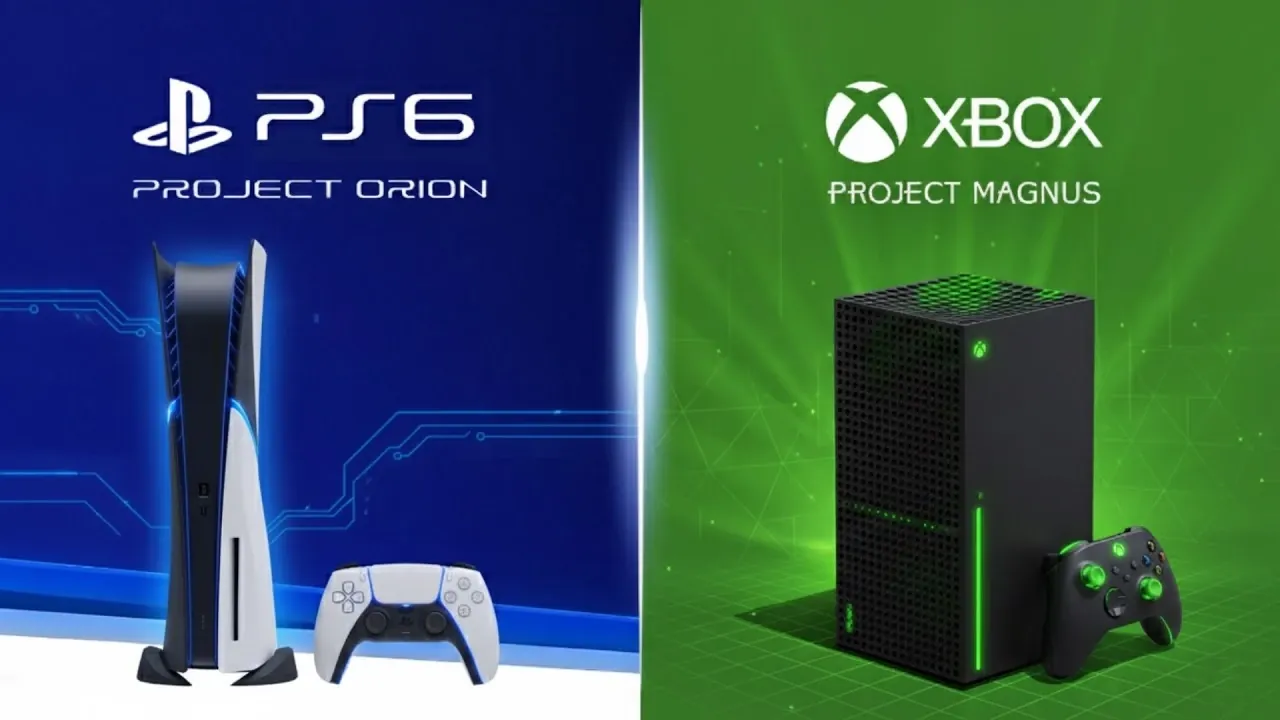
What defines the ultimate gaming experience? Is it the breathtaking visuals, the buttery-smooth frame rates, or the innovative technology that powers it all? As the gaming world eagerly anticipates the arrival of the next-generation consoles, the PlayStation 6 (PS6) and Xbox Magnus—these questions take center stage. With promises of native 4K resolution, up to 144fps, and advanced ray tracing capabilities, both systems are poised to shatter previous performance benchmarks. But here’s the twist: while Sony aims to deliver a refined, accessible gaming experience at a competitive price, Microsoft is betting on raw power and hybrid PC-console functionality, creating a stark contrast in their visions for the future of gaming. This clash of philosophies isn’t just about hardware; it’s a battle for the very soul of what gaming can be.
Below SM Tech explores how the PS6’s streamlined design and affordability stack up against the Xbox Magnus’ powerhouse specs and premium price tag. From AMD’s innovative RDNA 5 GPUs to the staggering performance leaps promised by both systems, there’s plenty to unpack. But which console truly delivers on its promises, and which one aligns with your gaming aspirations? Whether you’re a casual player seeking reliability or a performance enthusiast chasing the pinnacle of gaming technology, this comparison will reveal what’s at stake in this generational leap. After all, the future of gaming isn’t just about specs, it’s about how those specs shape the experiences we crave.
PS6 vs Xbox Magnus
TL;DR Key Takeaways :
- The PlayStation 6 (PS6) and Xbox Magnus are set to launch in mid-to-late 2027, with Microsoft potentially releasing the Xbox Magnus slightly earlier to gain a competitive edge.
- Both consoles will feature AMD’s Zen 6 CPUs and RDNA 5 GPUs, delivering native 4K resolution, advanced ray tracing, and high frame rates, with the Xbox Magnus offering slightly superior performance.
- The PS6 is expected to cost between $600 and $700, targeting affordability and accessibility, while the Xbox Magnus, priced at $1,000 to $1,200, caters to premium gamers with hybrid PC-console functionality.
- Sony’s PS6 emphasizes streamlined, cost-efficient design, while Microsoft’s Xbox Magnus focuses on power, scalability, and hybrid features, appealing to PC enthusiasts and high-end gamers.
- The consoles promise a 30-40% performance improvement over their predecessors, setting new benchmarks for gaming technology and offering distinct options for diverse gaming audiences.
Release Timeline
Both the PlayStation 6 and Xbox Magnus are expected to debut in 2027, though Microsoft may release the Xbox Magnus a few months earlier than Sony’s PS6. This staggered timeline could provide Microsoft with an opportunity to capture early market attention and gain a competitive edge. However, Sony’s later release could allow for additional refinement in both hardware and software, making sure a more polished product at launch. Regardless of the sequence, the mid-to-late 2027 release window positions both consoles to take full advantage of the latest technological advancements, setting the stage for a new era in gaming.
Hardware and Performance
At the heart of both consoles lies AMD’s Zen 6 CPU and RDNA 5 GPU, built on TSMC’s advanced 3nm N3P process. This architecture delivers a substantial boost in computational power and energy efficiency, allowing a new standard of gaming performance that prioritizes both speed and visual fidelity.
- PlayStation 6: The PS6 features a monolithic APU design with 52-54 RDNA 5 Compute Units (CUs) and 30GB of GDDR7 memory. It is engineered to achieve 120fps at native 4K resolution with ray tracing enabled, offering smooth and visually stunning gameplay for a wide range of titles.
- Xbox Magnus: The Xbox Magnus employs a chiplet-based APU with 68 RDNA 5 CUs and 48GB of GDDR7 memory. Designed to deliver 144fps at native 4K resolution, it caters to gamers seeking peak performance and scalability, making it a powerhouse for demanding gaming experiences.
Both consoles emphasize raw performance over upscaling techniques, making sure native 4K visuals without compromising frame rates or graphical fidelity. Advanced ray tracing and frame generation technologies further enhance the immersive experience, setting a new standard for realism in gaming.
PlayStation 6 vs Xbox Magnus Rumoured Specs Compared

Dive deeper into PlayStation 6 (PS6) with other articles and guides we have written below.
- PlayStation 6 Specs Leak: Everything About the New PS6 Here
- PS6: The TRUTH About Sony’s PlayStation 6 [First Details Revealed
- PlayStation 6 & PS6 Portable: Early Rumors and Predictions
- Sony PlayStation 6 Manufacturing Begins Mid 2027 : PS6 News
- PS6 vs Xbox Magnus Leaks : Major Differences Between Next-Gen
- Sony PlayStation 6 Release Date, Features and Rumors
- PS6 Leaked Specs and Handheld Details: Everything You Need to
- Next Xbox and PlayStation 6: Rumored Features & Release Dates
- Xbox Magnus Leak Reveals Console-PC Hybrid Features
Generational Leap in Performance
The PlayStation 6 and Xbox Magnus are expected to deliver a 30-40% improvement in performance compared to their predecessors. This leap in capability enables true 4K gaming without relying on upscaling technologies, marking a significant milestone in the evolution of console hardware. The Xbox Magnus, with its more powerful specifications, is projected to outperform the PS6 by approximately 30%, making it an attractive choice for gamers who prioritize raw power and innovative performance.
Pricing and Accessibility
The pricing strategies for the PS6 and Xbox Magnus reflect their distinct market positioning and target audiences:
- PlayStation 6: Estimated to cost between $600 and $700, the PS6 strikes a balance between advanced technology and affordability. This price point makes it accessible to a broad audience, appealing to both casual gamers and dedicated fans.
- Xbox Magnus: With a price range of $1,000 to $1,200, the Magnus targets a premium market segment. Its higher cost reflects its superior hardware and hybrid PC-console functionality, making it an ideal choice for enthusiasts who demand top-tier performance and versatility.
While the PS6 aims to remain accessible to a wide range of players, the Xbox Magnus positions itself as a luxury option for those willing to invest in a high-end gaming experience. These pricing strategies highlight the companies’ differing approaches to capturing market share.
Design Philosophies
Sony and Microsoft have adopted distinct design philosophies for their next-generation consoles, reflecting their broader strategies and priorities:
- PlayStation 6: Sony’s design focuses on delivering a streamlined and cost-efficient gaming experience. Its monolithic APU design emphasizes reliability and simplicity, making it an excellent choice for gamers who value affordability and ease of use.
- Xbox Magnus: Microsoft’s Magnus blurs the line between PC and console gaming. Its chiplet-based APU and extensive memory capacity enable advanced multitasking and customization, appealing to power users and PC enthusiasts. This hybrid approach underscores Microsoft’s commitment to innovation and versatility.
These contrasting philosophies highlight the companies’ differing priorities: Sony’s focus on accessibility and streamlined performance versus Microsoft’s emphasis on premium features, scalability, and hybrid functionality.
Market Strategies
The market strategies for the PlayStation 6 and Xbox Magnus reflect their unique visions for the gaming industry and their target audiences:
- PlayStation 6: Sony aims to maintain its dominance in the gaming market by offering a balanced gaming experience at a competitive price. By prioritizing affordability and performance, the PS6 appeals to a wide range of players, from casual gamers to dedicated fans who value a reliable and accessible platform.
- Xbox Magnus: Microsoft targets a niche audience of high-end gamers and PC enthusiasts. Its focus on power, scalability, and hybrid functionality aligns with its broader goal of integrating gaming and PC ecosystems, offering users a seamless transition between platforms and a versatile gaming experience.
These strategies ensure that both consoles cater to distinct segments of the gaming community, fostering diversity and competition in the market. Whether you prioritize affordability and optimized performance or innovative power and versatility, the PS6 and Xbox Magnus offer compelling options for gamers of all preferences.
Media Credit: SM Tech
Disclosure: Some of our articles include affiliate links. If you buy something through one of these links, Geeky Gadgets may earn an affiliate commission. Learn about our Disclosure Policy.
