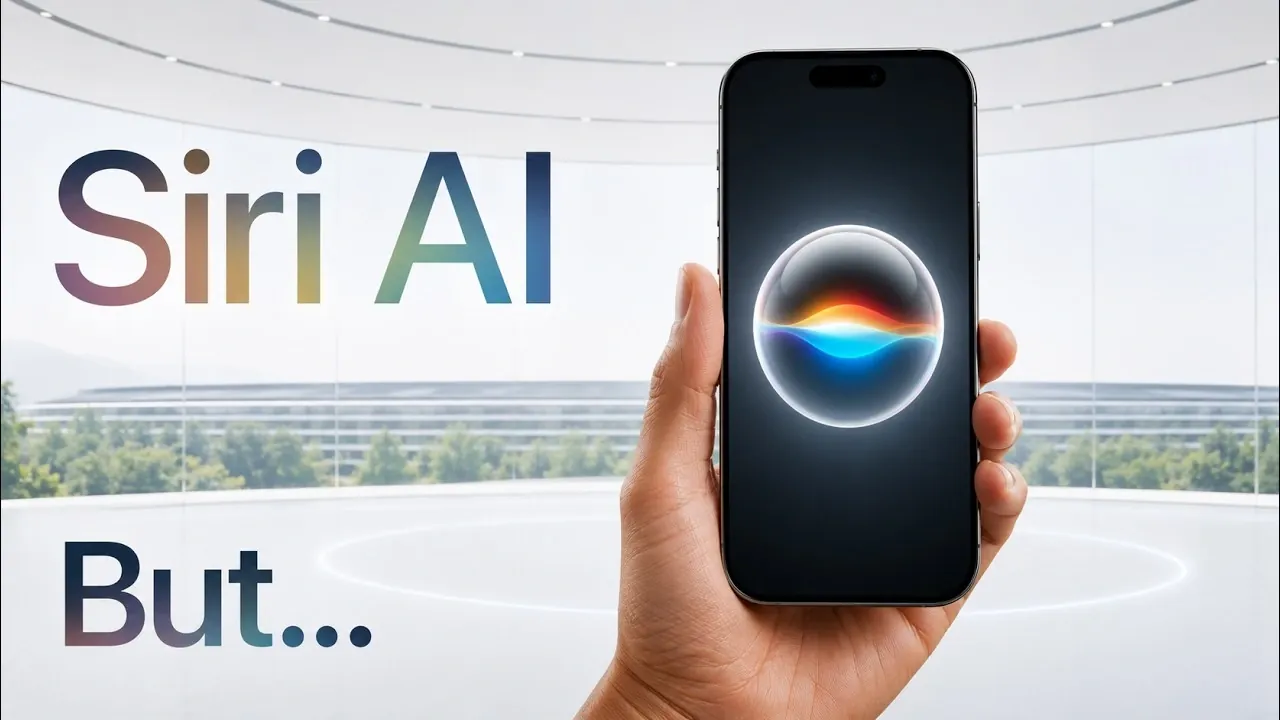
Apple’s unveiling of the new Siri AI at WWDC 2026 marks a significant evolution in virtual assistant technology. Powered by the advanced capabilities of Apple Intelligence, this update is designed to transform how you interact with your devices. From enhanced app integration to sophisticated contextual understanding and photo organization, Siri AI aims to deliver a deeply personalized and intuitive user experience. However, despite these promising advancements, certain limitations could hinder its widespread adoption and accessibility. The video below from Matt Talks Tech gives us more details.
Key Features That Set Siri AI Apart
The redesigned Siri AI introduces a suite of features aimed at redefining personalization and usability. By using Apple Intelligence, Siri learns your habits, preferences and context to offer tailored assistance. Some of the standout features include:
- Seamless app integration: Siri can proactively suggest apps based on your location, time of day, or ongoing activities, streamlining your daily tasks.
- Intelligent photo organization: It can automatically curate photo albums by analyzing events, locations, or the people in your images, simplifying photo management.
- Context-aware responses: By understanding the nuances of your requests, Siri delivers more relevant and precise answers, enhancing its utility in everyday scenarios.
These features align with Apple’s vision of creating a more intuitive and user-centric experience. However, their accessibility is not universal, as several factors limit their reach.
Hardware Requirements: A Barrier to Full Functionality
To fully use Siri AI’s advanced capabilities, you’ll need access to the latest Apple hardware. While basic features are available on devices running iOS 27, the most innovative functionalities, such as expressive voice synthesis and enhanced dictation, are exclusive to:
- iPhone 16 series or later
- iPhone 15 Pro and Pro Max
- iPads equipped with the M4 chip
- Macs with the M3 chip and at least 12GB of RAM
This hardware dependency creates a divide among users. Those with older devices are unable to experience the full potential of Siri AI, which could lead to frustration and a sense of exclusion. For many, upgrading to the latest hardware may not be a feasible option, further limiting the reach of these innovations.
Regional Availability: Navigating Regulatory Hurdles
The rollout of Siri AI is complicated by regional restrictions, which vary based on local regulations. In regions such as the European Union and China, compliance challenges have delayed its availability on iOS and iPadOS devices. Interestingly, macOS users in these areas may still access the assistant, creating inconsistencies in its accessibility. These regional restrictions highlight the complexities Apple faces in delivering a unified global experience while adhering to diverse regulatory frameworks.
Language Support: A Narrow Starting Point
At launch, Siri AI supports only English, with plans to expand to additional languages in future updates. This limited language support could alienate non-English-speaking users, particularly in regions where Apple has a strong presence. For a company with a global audience, the lack of multilingual capabilities at launch may slow adoption and reduce satisfaction among international users. Expanding language support will be critical for making sure the assistant’s broader appeal and usability.
Beta Rollout: Balancing Innovation and Readiness
Apple’s decision to release Siri AI in beta form reflects a strategy of iterative improvement but comes with notable trade-offs. While this approach allows Apple to gather user feedback and refine the technology, it also means that many features may not be fully polished or functional at launch. Advanced capabilities, such as the expressive Siri voice and enhanced dictation, remain restricted to the newest devices, further narrowing the pool of users who can benefit. This staggered rollout risks frustrating users who expect a seamless and ready-to-use experience, potentially impacting initial impressions of the technology.
Competition and Accessibility: Striking the Right Balance
The selective availability of Siri AI underscores a broader challenge in the AI market: balancing innovative innovation with accessibility. Apple’s focus on advanced technology sets it apart from competitors, but its exclusion of older devices contrasts with companies that prioritize broader compatibility. This approach could influence user loyalty, particularly among those who feel left behind despite owning relatively recent devices. Striking a balance between innovation and inclusivity will be essential for maintaining Apple’s competitive edge in the evolving AI landscape.
User Sentiment: Anticipation Meets Concern
The announcement of Siri AI has generated significant excitement, but it has also raised concerns among users. Strict hardware requirements, regional restrictions and limited language support contribute to a fragmented experience. Users with older devices or those in unsupported regions may feel excluded, while the beta nature of the rollout raises questions about the assistant’s readiness for widespread use. These challenges highlight the difficulties Apple faces in delivering a truly inclusive and seamless AI assistant.
Looking Ahead: Opportunities for Growth
The new Siri AI represents a bold step forward in virtual assistant technology, offering enhanced personalization and contextual understanding. However, its rollout is accompanied by notable challenges, including hardware dependencies, regional restrictions and limited language diversity. While users with the latest devices will enjoy the full benefits of Siri AI, many others will encounter barriers that limit their access to these innovations. As Apple continues to refine its approach, addressing these limitations will be crucial for making sure the long-term success and inclusivity of Siri AI.
Expand your understanding of Siri AI with additional resources from our extensive library of articles.
- Move Over ChatGPT: Apple’s New Siri in iOS 27 is the AI Assistant We’ve Been Waiting For
- Siri is Getting a Standalone App in iOS 27: Here’s How it Changes Everything
- Unlocking Apple Intelligence in Europe: Your Complete Guide
- Why Siri is Finally Getting Its Own Standalone App in iOS 27
- Apple’s AI Gamble: 6 New Devices Leaked for WWDC 26 to Power the ‘Chatbot Siri’ Revolution
Source & Image Credit: Matt Talks Tech
Disclosure: Some of our articles include affiliate links. If you buy something through one of these links, Geeky Gadgets may earn an affiliate commission. Learn about our Disclosure Policy.
