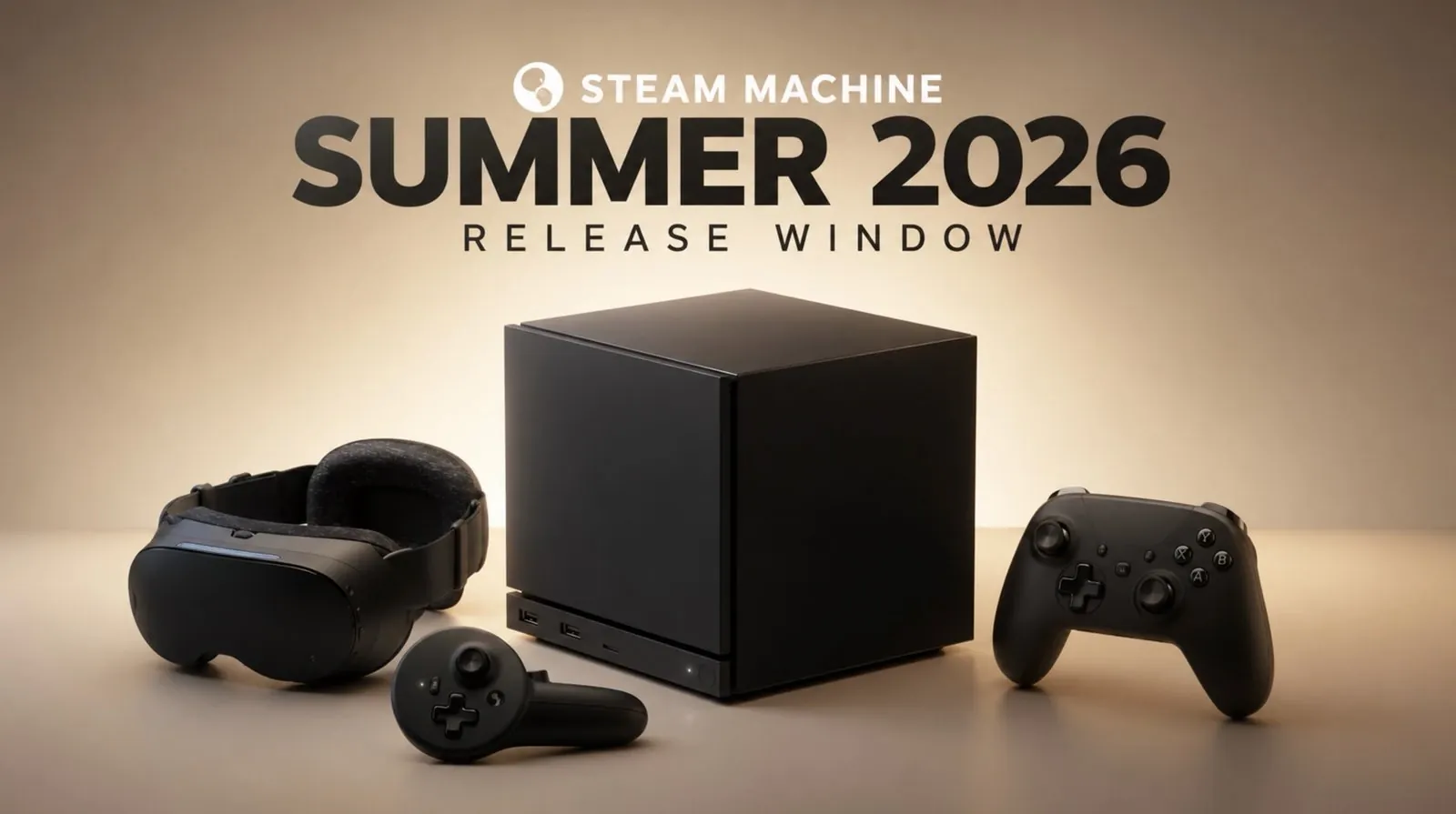
Valve has officially confirmed that the Steam Machine and Steam Frame will launch in summer 2026, with a potential release window extending to September 22nd. In a detailed breakdown by Deck Ready, the announcement highlights Valve’s focus on compatibility and performance, particularly through the introduction of an enhanced verification system. This system ensures that games optimized for the Steam Deck will also run seamlessly on the Steam Machine, while the Steam Frame introduces stricter requirements for VR performance, such as a minimum of 72 frames per second (FPS). These updates reflect Valve’s commitment to creating a unified gaming ecosystem, though challenges like fluctuating component costs and pricing strategies remain unresolved.
Dive into this launch overview to explore what sets the Steam Machine and Steam Frame apart in a competitive market. You’ll gain insight into how Valve is positioning Steam OS as a streamlined alternative to traditional operating systems, the implications of its VR-focused design for the Steam Frame and the potential impact of pricing uncertainties on consumer adoption. This guide offers a closer look at the strategic choices shaping Valve’s latest hardware push and what they mean for gamers and the broader industry.
Release Timeline and Expectations
TL;DR Key Takeaways :
- Valve has announced the summer 2026 release of the Steam Machine and Steam Frame, with a potential launch window extending to September 22nd, focusing on delivering polished, high-performance gaming hardware.
- An enhanced verification system ensures compatibility across Valve’s ecosystem, including the Steam Deck, with the Steam Frame specifically optimized for VR performance, requiring a minimum of 72 FPS and improved visual clarity.
- Pricing details remain undisclosed, with analysts citing volatile RAM and storage costs as potential challenges for Valve in balancing affordability and performance.
- Valve aims to position Steam OS as a viable alternative to Windows, offering a cohesive gaming ecosystem with the Steam Machine targeting convenience-focused gamers and the Steam Frame advancing VR technology.
- The gaming community has mixed reactions, with concerns over pricing transparency and potential delays, but optimism remains for Valve’s ability to deliver innovative, accessible and high-quality gaming systems.
The Steam Machine and Steam Frame are scheduled for a summer 2026 launch, with Valve hinting at a potential release window extending to September 22nd. This timeline reflects the company’s focus on delivering a polished product, but it also raises questions about potential delays. For consumers, delays could temper excitement, particularly as competing platforms continue to innovate and attract attention. Valve’s ability to adhere to this timeline will be critical in maintaining consumer trust and enthusiasm.
The gaming community is closely watching how Valve navigates this release, as timely delivery could reinforce its reputation for innovation and reliability. However, any significant delays might risk losing momentum in a fast-paced industry where new hardware and software developments emerge frequently.
Pricing Challenges and Market Dynamics
Valve has yet to disclose the pricing for the Steam Machine and Steam Frame, leaving room for speculation and uncertainty. Analysts point to the volatile costs of RAM and storage as potential factors complicating Valve’s pricing strategy. These components are essential for gaming hardware and their fluctuating prices could directly impact Valve’s ability to offer competitive pricing while maintaining high performance.
For potential buyers, this lack of clarity could make it difficult to plan purchases or compare the Steam Machine and Steam Frame to other gaming systems. Valve must address the dual challenge of keeping its products affordable while meeting the high-performance expectations of its audience. Striking this balance will be key to making sure the success of these new devices in a market where price sensitivity often dictates consumer decisions.

Gain further expertise in Steam Machine by checking out these recommendations.
- Valve Steam Machine Update: RAM Supply Stabilizes as Unified Deck Software Expands
- Why Valve is Releasing 4 Different Steam Machine Variants
- Valve’s 2026 Steam Machine is Almost Here
- Inside Valve’s Unusual Rollout Plan for the Steam Machine
- Why the Upcoming Valve Steam Machine Might Be Sold at a Loss
- How Valve Finally Solved the Steam Machine’s Biggest Performance Bottleneck
- Valve Explains Why We Got a New Steam Controller but No Steam Machine
- What Valve’s Latest Hardware Leaks Reveal About the Modular Steam Machine
- Why Valve’s Latest SteamOS Update Changes Everything for Your Steam Machine
- What Analysts Actually Expect Valve to Charge for the Steam Machine
Enhanced Verification System for Unified Compatibility
To support a seamless gaming experience across its ecosystem, Valve has introduced an enhanced verification system. This system ensures that games verified for the Steam Deck will also run smoothly on the Steam Machine, creating a unified and consistent experience for users. The Steam Frame, which is specifically designed for virtual reality (VR), introduces even stricter requirements. These include:
- Improved text readability for VR interfaces.
- Optimized resolution to enhance visual clarity.
- A minimum performance standard of 72 frames per second (FPS) to ensure smooth gameplay.
These updates highlight Valve’s commitment to delivering high-quality gaming experiences, particularly for VR enthusiasts who demand precision and performance. By addressing compatibility and performance concerns, Valve aims to position its hardware as a reliable choice for both casual and dedicated gamers.
Valve’s Broader Strategic Vision
Valve’s strategy with the Steam Machine and Steam Frame extends beyond hardware innovation. The company is positioning Steam OS as a viable alternative to traditional operating systems like Windows, aiming to create a cohesive gaming ecosystem. The Steam Machine, a pre-built gaming system, is tailored for users who prioritize convenience over the complexities of building custom PCs. By integrating Steam OS, Valve offers a streamlined experience that connects directly to its extensive digital storefront.
For consumers, this means access to a vast library of games optimized for the platform without the technical challenges often associated with PC gaming. The Steam Frame, on the other hand, focuses on advancing VR technology, catering to a growing segment of gamers seeking immersive experiences. Together, these devices represent Valve’s ambition to expand its hardware ecosystem while reinforcing its dominance in the digital gaming market.
Community Reactions and Anticipation
The announcement of the Steam Machine and Steam Frame has elicited mixed reactions from the gaming community. While some gamers express frustration over the lack of pricing transparency and concerns about potential delays, others remain optimistic about the potential of these devices. The Steam Machine, in particular, appeals to those seeking a system that combines the convenience of a console with the power of a PC.
However, Valve’s ability to meet these expectations will be critical in sustaining consumer interest. The company must address concerns about affordability, performance and availability to ensure that its new hardware resonates with a broad audience. For many, the success of the Steam Machine and Steam Frame will depend on how well Valve delivers on its promises.
Insights from Industry Trends
Valve’s approach to the Steam Machine and Steam Frame reflects lessons learned from past hardware launches in the gaming industry. Historically, the success of gaming systems has often hinged on two key factors: pricing and performance. By focusing on pre-built systems, Valve aims to attract a segment of the market that values ease of use and accessibility. However, the company must tread carefully to avoid the pitfalls of high-priced hardware launches that have alienated consumers in the past.
For buyers, Valve’s pricing and positioning strategies will play a pivotal role in determining the value of its new offerings. Competitive pricing, combined with robust performance and seamless compatibility, could make the Steam Machine and Steam Frame compelling choices in a crowded market. Conversely, missteps in these areas could hinder adoption and limit the devices’ impact.
A Defining Moment for Valve
The summer 2026 launch of the Steam Machine and Steam Frame represents a critical juncture in Valve’s hardware ambitions. With a focus on VR performance, an enhanced verification system, and the promotion of Steam OS as a Windows alternative, Valve is positioning itself as a key player in the gaming hardware market. However, the lack of pricing transparency and concerns over potential delays remain significant challenges.
As the gaming community eagerly awaits further updates, the success of these products will depend on Valve’s ability to deliver accessible, high-performance systems that meet the expectations of its audience. By addressing these challenges head-on, Valve has the opportunity to redefine its role in the gaming industry and set a new standard for innovation and quality.
Media Credit: Deck Ready
Disclosure: Some of our articles include affiliate links. If you buy something through one of these links, Geeky Gadgets may earn an affiliate commission. Learn about our Disclosure Policy.
