A phone case looks like a solved problem — a shell that keeps your screen from meeting the pavement. But open one in 2026, and there’s a lot more engineering going on than the price tag might suggest.
Modern phone cases come with magnetic arrays, aramid fibre weaves and spinning kickstands engineered to fold almost completely flush. Some use buttons that make a satisfying click through layers of TPU. Others add protection with materials designed for demanding uses.
The arrival of the iPhone 18 generation makes this a good time to look deeper — and see what’s really inside a modern phone case.
Here’s a breakdown of the technology that separates a well-made case from a lump of moulded plastic, using four current UNIQ designs as examples.
Drop protection: what the ratings actually mean
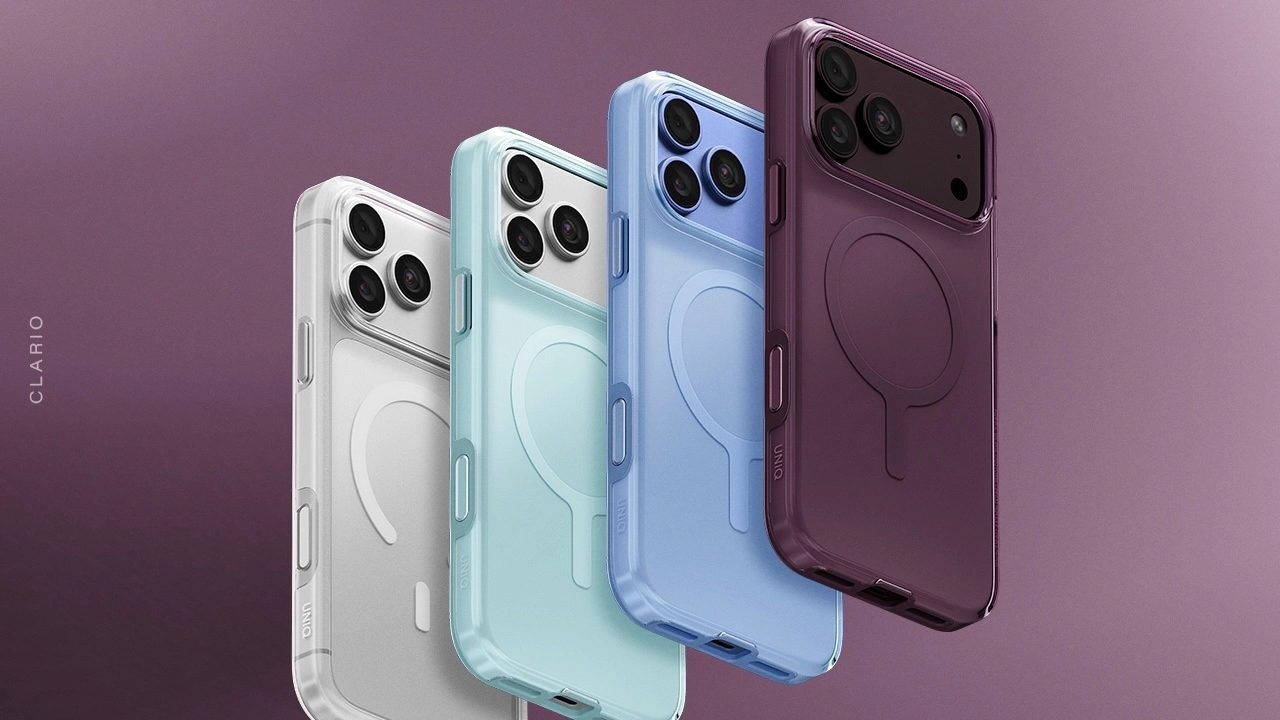
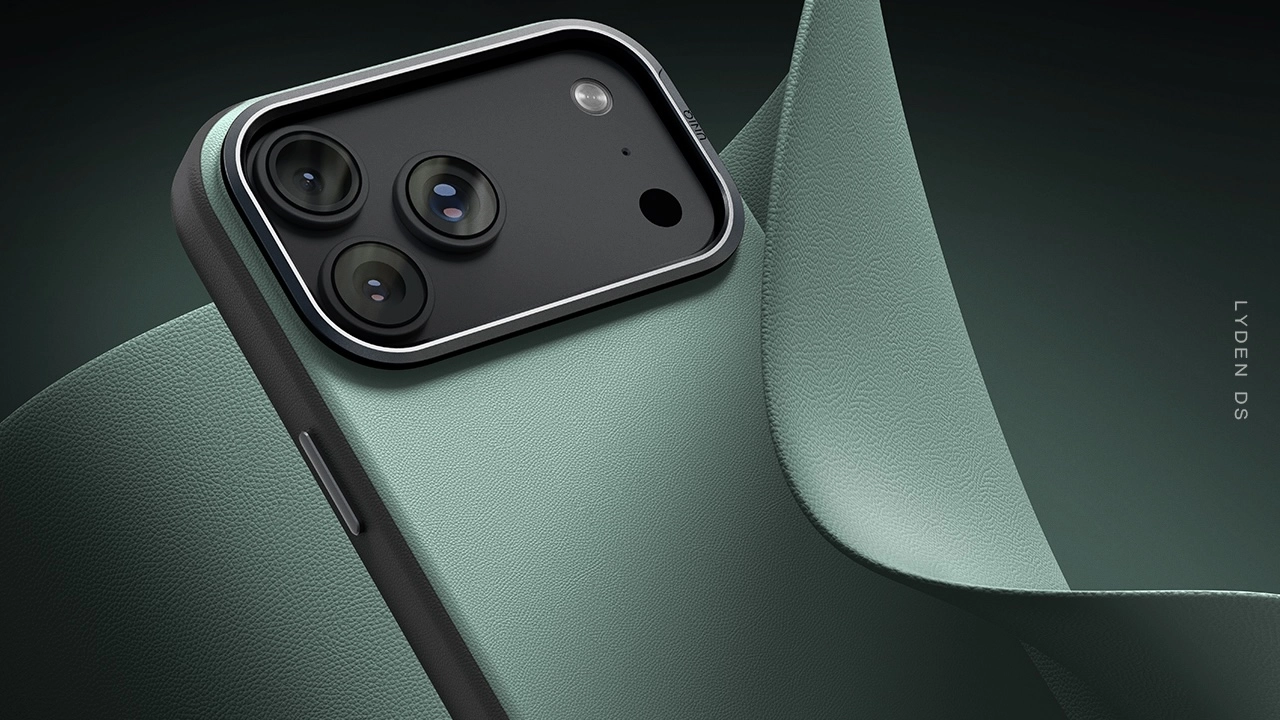
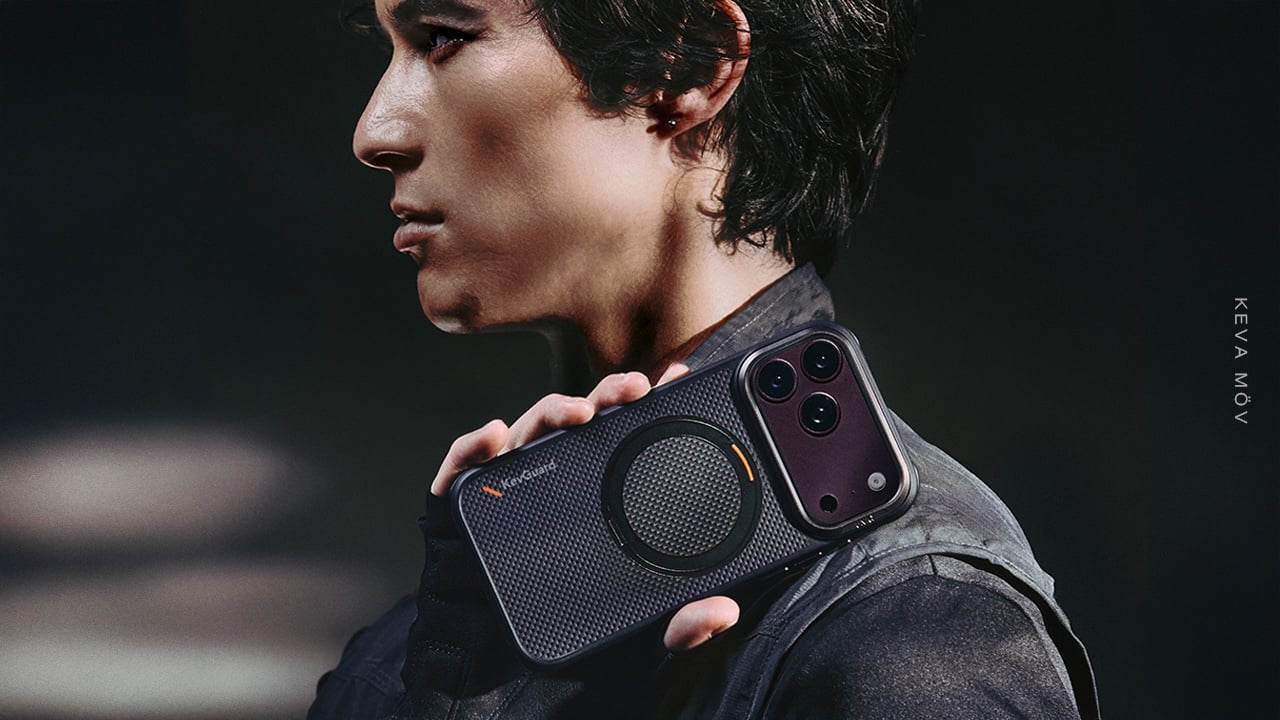
A drop rating is a height, not a magic number. A case rated to 2.5m has passed controlled drops from that height; a 4m rating means a bigger margin again. The iPhone 18 cases here span both: the leather Lyden DS and ring-stand Elix are rated to 2.5m (8ft), while the aramid Keva Mōv and recycled Clario are rated to 4m (13ft).
Height isn’t the whole story, though — it’s about where the energy goes. Reinforced corners and raised bezels help protect the screen and camera from impacts. Shock-dispersing structures spread the force instead of focusing it in one spot.
Clario is a clear example. Its PC-and-TPU build pairs a hard-shell back for daily abrasion resistance with a softer bumper. It also uses an AirMax shock-dispersion design to help absorb and spread impact force.
Materials: aramid fibre, recycled plastic, and vegan leather
Case materials are a set of trade-offs, and the 2026 line-up shows just how different those choices can be.
Aramid fibre — the same family of material used in protective gear — gives Keva Mōv a high strength-to-weight ratio, delivering a tough back that stays slim and light.
Recycled materials take a different approach: Clario is made with recycled plastic (rPET), combining impact protection with a lower material footprint.
And for a more premium feel, Lyden DS uses Verda vegan leather with a dual-tone finish and aluminium accents — a choice driven as much by hand-feel and how the material ages as it is by protection.
So “which case?” is really another question: which material trade-off suits you? Aramid for strength without the bulk, recycled materials for a more considered footprint, or vegan leather for finish and feel.
Magnets: MagSafe alignment and accessories
Magnetic attachment is now a standard feature in phone cases, but the real difference is in the alignment. A well-aligned ring of magnets lets a charger snap into place and keeps wallets, stands, and other magnetic accessories secure. All four cases here use UNIQ’s MagClick™ system, which is MagSafe-compatible, so you can use wireless chargers and magnetic accessories without removing the case.
It sounds simple, but magnet strength and alignment matter. If the magnets are weak or poorly positioned, chargers can shift, and accessories may not stay in place. Getting the magnet placement right is an important part of designing a good MagSafe-compatible phone case.
Mechanisms: the fold-flat 360° kickstand
One of the most useful features in a modern phone case is a built-in stand. The challenge is adding one without making the case too bulky. Elix has a 180° flip and 360° swivel kickstand that lets you prop the phone at different angles in portrait or landscape, while Keva Mōv has a 360° kickstand built into its aramid shell. Both fold flat against the case when not in use, so the phone stays easy to carry.
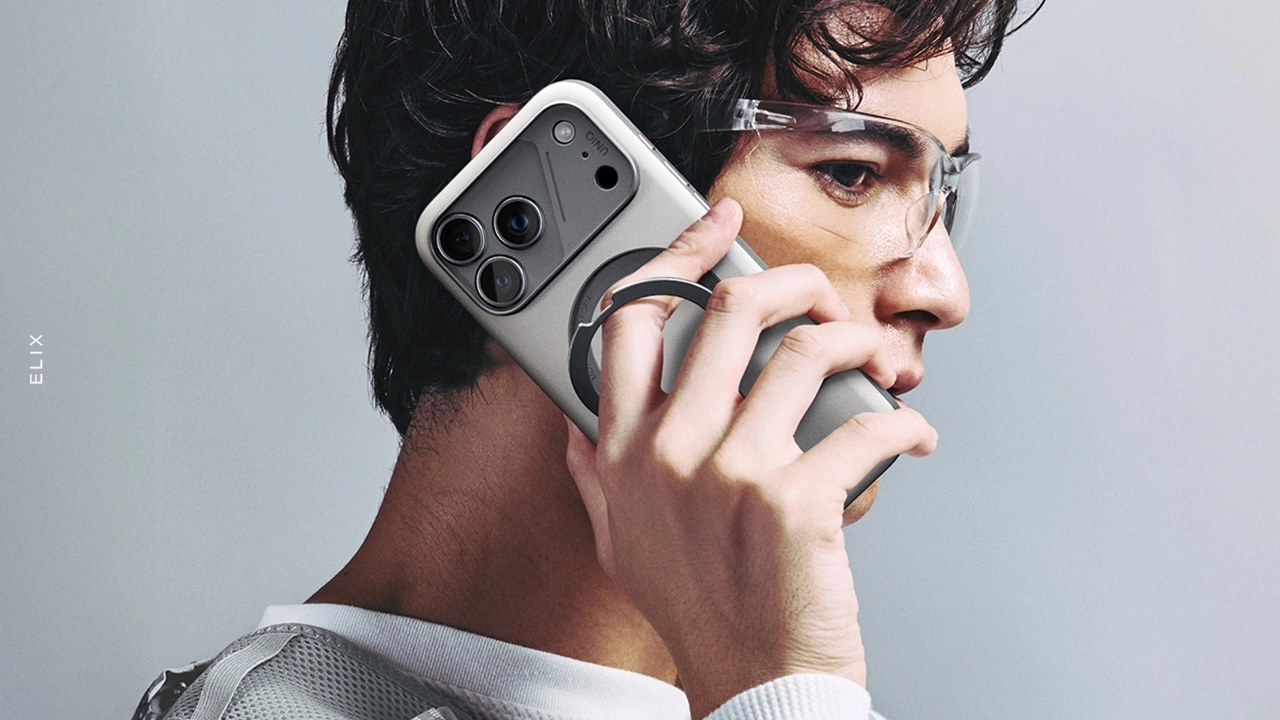
A rotating kickstand is also more flexible than a fixed stand. You can use it upright for a video call, turn it sideways for watching a film, or adjust the angle to suit your setup. It gives a phone case with a stand more flexibility without adding much extra bulk.
Tactile tech: keeping buttons responsive
All four cases use a HapticCore™ button, designed to keep the original button feel with a clean, tactile click. It may seem like a small detail, but good button design makes a big difference. Instead of feeling stiff or unresponsive through the case, the buttons stay easy to press and use — one of those details you notice most when it’s done badly.
How to read an iPhone 18 case spec
Next time you’re comparing iPhone 18 cases, look past the render and check:
- Drop rating — a real figure (2.5m, 4m), plus reinforced corners and raised bezels.
- Material — aramid for toughness-per-gram, recycled for footprint, vegan leather for finish.
- Magnets — MagSafe-compatible with clean alignment, not just “magnetic.”
- Stand — look for one that folds flat and rotates 360°.
- Buttons — a tactile pass-through, not mushy plastic.
The difference between a good iPhone 18 case and a forgettable one isn’t just the shell you see in the photo. The difference comes down to magnet alignment, materials, and the small mechanisms you notice in everyday use.
The cases used as examples here —
Elix — iPhone 18 Pro and iPhone 18 Pro Max
Keva Mōv — iPhone 18 Pro and iPhone 18 Pro Max
Lyden DS — iPhone 18 Pro and iPhone 18 Pro Max
Clario — iPhone 18 Pro and iPhone 18 Pro Max
Explore the full iPhone 18 Pro case range or iPhone 18 Pro Max case range to compare the designs and features.
Disclosure: Some of our articles include affiliate links. If you buy something through one of these links, Geeky Gadgets may earn an affiliate commission. Learn about our Disclosure Policy.
