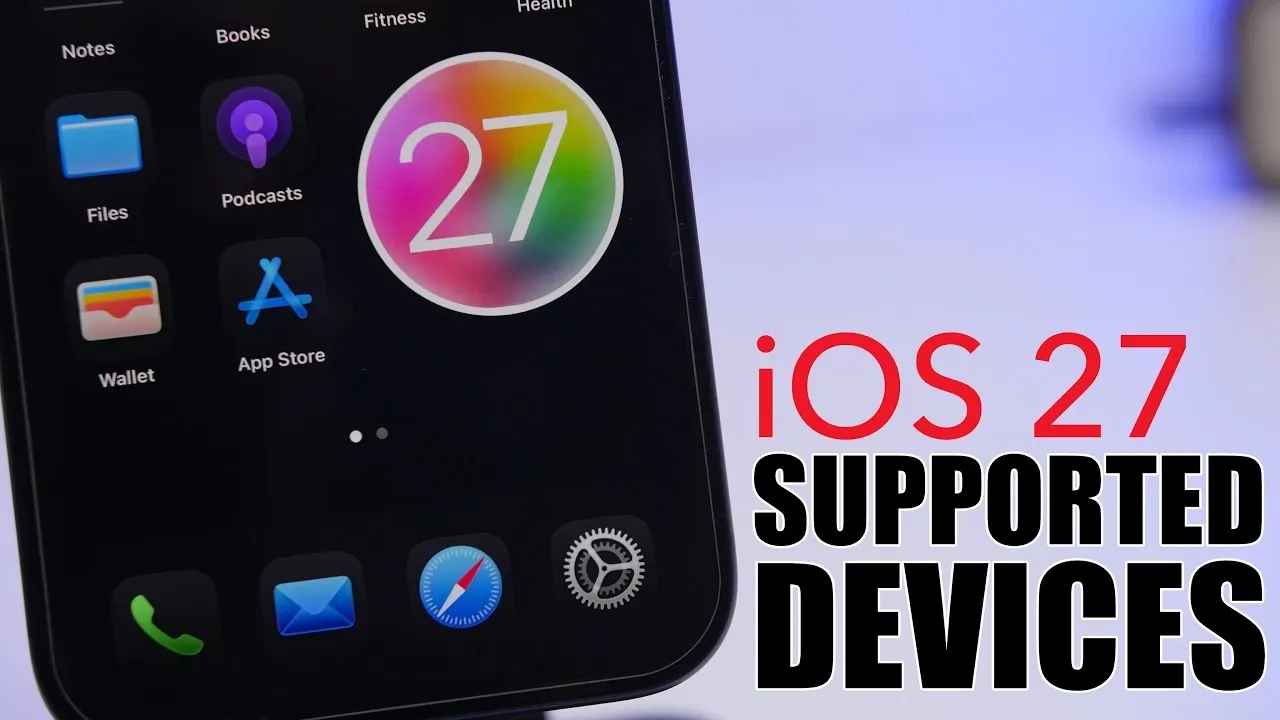
Apple has officially announced the list of devices compatible with iOS 27, marking a significant shift in its software support strategy. Devices equipped with the A13 Bionic chip, such as the iPhone 11 series and iPhone SE (2nd generation), are no longer eligible for the upgrade. This decision reflects Apple’s focus on optimizing its latest operating system for newer hardware, making sure a more seamless and efficient user experience. Staying informed about compatibility is essential to keep your device secure, functional, and up-to-date with the latest advancements. The video below from iReviews gives us more details on which devices are expected to get iOS 27.

Which Devices Are No Longer Supported?
If you own an iPhone 11, 11 Pro, 11 Pro Max, or iPhone SE (2nd generation), your device may not support iOS 27. These models, introduced in 2019 and 2020, are powered by the A13 Bionic chip, which, while powerful at the time, no longer meets the demands of Apple’s evolving software ecosystem. This shift highlights the increasing hardware requirements of modern operating systems.
However, these devices are not being abandoned. They will continue to receive updates for iOS 26, making sure access to critical security patches and bug fixes. While you won’t experience the new features and enhancements of iOS 27, your device will remain secure and functional for everyday use. This ongoing support provides a safety net for users who may not yet be ready to upgrade their hardware.
Devices Compatible with iOS 27
Apple has streamlined iOS 27 compatibility to focus on devices with advanced processors, such as the iPhone 17E, iPhone 17 Pro and other recent models. By narrowing the range of supported devices, Apple can fully use the capabilities of innovative hardware, delivering a smoother and more optimized user experience.
Key benefits of iOS 27-supported devices include:
- Enhanced performance and energy efficiency tailored to modern processors.
- Access to new features designed to maximize the potential of advanced hardware.
- Extended software support for future updates, making sure long-term usability.
This approach allows Apple to focus its resources on delivering a high-quality experience for users with compatible devices, while also encouraging the adoption of newer hardware to take full advantage of the latest innovations.
iOS 27 Beta Release: What You Need to Know
The beta version of iOS 27 is scheduled for release on June 8th, 2026. If your device is compatible, this is an excellent opportunity to explore the new features and provide valuable feedback to Apple. Beta releases are a critical phase in software development, allowing developers and early adopters to identify and address potential issues before the official launch.
For users with unsupported devices, it’s important to note that iOS 26 remains a stable and secure operating system. While you won’t gain access to the latest features, your device will continue to perform effectively for everyday tasks. This ensures that even older devices remain functional and safe, despite not being part of the iOS 27 ecosystem.
Why Compatibility Decisions Matter
Apple’s decision to limit iOS 27 compatibility to newer devices underscores its commitment to delivering high-performance software. By focusing on advanced hardware, Apple ensures that its operating systems can fully use the capabilities of modern processors, graphics technologies and machine learning advancements.
For users, this translates to a faster, more responsive experience on supported devices. However, it also serves as a reminder of the importance of periodically upgrading your hardware to stay aligned with Apple’s evolving software ecosystem. As technology continues to advance, older devices may struggle to keep up with the demands of new software, making upgrades a necessary step to maintain optimal performance and access to the latest features.
The release of iOS 27 also highlights Apple’s broader strategy of balancing innovation with practicality. By continuing to support iOS 26 on older devices, Apple ensures that users who are not ready to upgrade can still enjoy a secure and functional experience, while encouraging others to transition to newer hardware for a more advanced and seamless experience.
Gain further expertise in iOS 27 by checking out these recommendations.
- iOS 27: Big Changes Coming to YOUR iPhone
- iOS 27 Leaks Reveal the End of an Era: Apple’s New Priorities Confirmed
- Liquid Glass 2.0: Apple’s Massive iOS 27 Redesign Revealed
- iOS 27 Could Be Apple’s ‘Snow Leopard’ Moment, Focusing on One Huge Change
- The iOS 27 Compatibility Shock: Every iPhone That Will (and Won’t) Get the 2026 Update
Source & Image Credit: iReviews
Disclosure: Some of our articles include affiliate links. If you buy something through one of these links, Geeky Gadgets may earn an affiliate commission. Learn about our Disclosure Policy.
