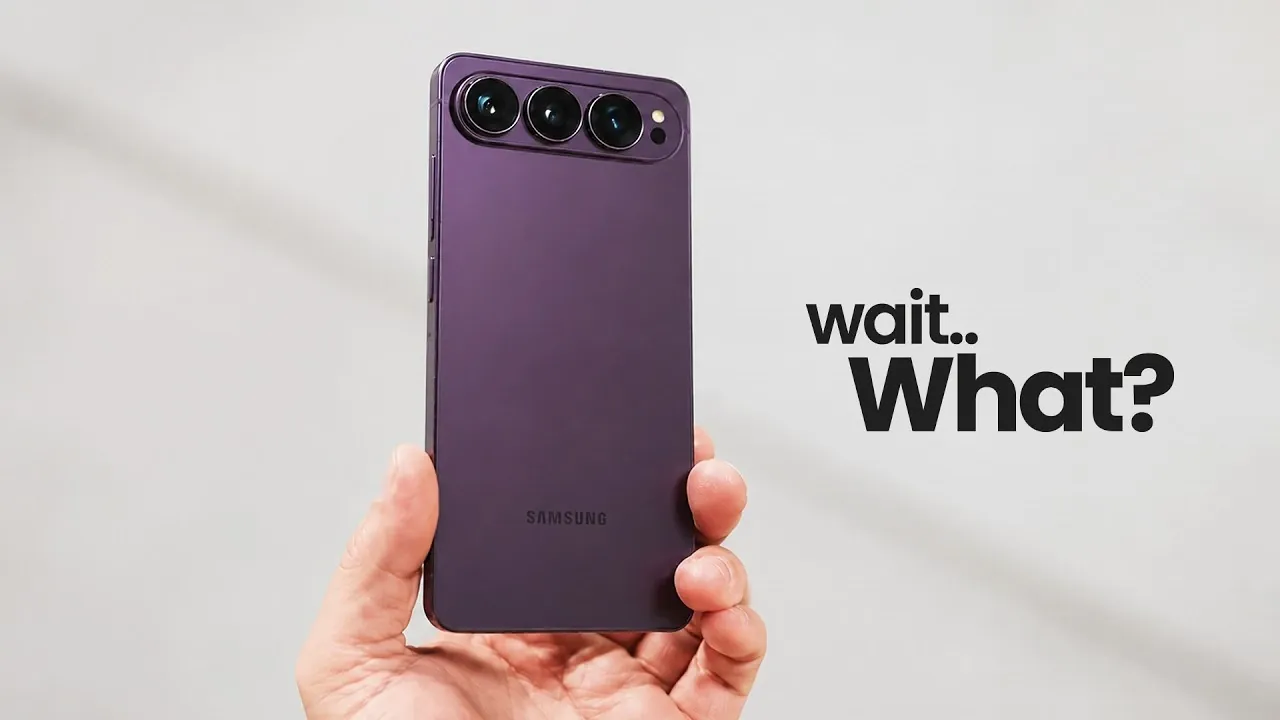
The Samsung Galaxy S27 Ultra is at the center of widespread anticipation, with rumors suggesting fantastic updates across the entire lineup. If these reports prove accurate, Samsung could be redefining its flagship strategy in a highly competitive market. However, such ambitious changes raise critical questions about pricing, regional disparities, and the feasibility of delivering on these promises. Let’s delve deeper into what the Galaxy S27 series might bring to the table.

Privacy Display Technology Across the Lineup
Samsung’s privacy display technology, designed to restrict screen visibility from side angles, has long been a hallmark of its Ultra models. This feature enhances security and privacy, making it particularly appealing to users who prioritize discretion in public spaces. Recent reports, however, suggest that Samsung may extend this technology to all four models in the Galaxy S27 lineup.
If true, this would mark a significant shift in Samsung’s approach, potentially providing widespread access to a feature previously reserved for its most premium devices. This move could be a response to increasing competition from brands like Xiaomi, Huawei and Oppo, which are also advancing in display technology. By broadening access to privacy displays, Samsung could position itself as a leader in user-centric innovation.
However, this strategy is not without challenges. Historically, Samsung has reserved its most advanced features for top-tier models to maintain exclusivity. Expanding privacy displays across the lineup could significantly increase production costs, potentially driving up retail prices. The question remains whether Samsung can strike a balance between innovation and affordability without alienating its core customer base.
Chipset Differentiation: Balancing Innovation and Consistency
The Galaxy S27 series is rumored to introduce a dual-chipset strategy, with Qualcomm producing two flagship processors for the lineup. The Pro and Ultra models are expected to feature Qualcomm’s innovative 2nm chip technology, promising superior performance and energy efficiency. In contrast, the base models may rely on less advanced chipsets, potentially underperforming compared to last year’s flagship processors.
This approach creates clear performance tiers within the lineup, allowing Samsung to cater to a broader range of consumers. High-performance chips in the Pro and Ultra models could attract power users, while the base models offer a more budget-friendly alternative. However, this strategy also introduces risks. Consumers who expect consistent performance across all models may feel disappointed by the disparities, particularly if the base models fail to meet expectations.
Adding to the complexity, regional variations could see some markets receiving Exynos-powered devices instead of Qualcomm’s Snapdragon chips. This inconsistency has historically frustrated consumers, as Exynos chips have often been perceived as less powerful than their Snapdragon counterparts. Samsung’s ability to manage these regional differences will be critical to the series’ global reception.
2nm Chip Technology: A Leap Forward with Challenges
The introduction of 2nm chip technology represents a significant advancement in processing power and energy efficiency. This innovation is expected to enhance multitasking capabilities, gaming performance and overall device responsiveness. However, the benefits of 2nm chips come at a cost. Manufacturing these advanced processors is more expensive than previous generations, which could lead to higher retail prices for the Galaxy S27 series.
This raises a pivotal question: how will Samsung balance innovative technology with competitive pricing? In a market where affordability often drives purchasing decisions, Samsung’s ability to manage production costs without compromising on innovation will be a key factor in the series’ success. The company’s pricing strategy will likely determine whether the Galaxy S27 lineup appeals to a wide audience or remains out of reach for many consumers.
UFS 5.0 Storage: Enhanced Performance with Potential Limitations
The Galaxy S27 series is expected to feature UFS 5.0 storage, the latest standard in smartphone storage technology. UFS 5.0 offers faster data transfer speeds and improved power efficiency, which could significantly enhance overall device performance. Tasks such as app loading, file transfers and system updates are likely to become noticeably quicker, providing a smoother user experience.
However, Samsung’s history suggests that slower storage options might still be used in certain configurations, particularly in base models. This could result in noticeable disparities in performance across the lineup. Consumers who opt for lower-tier devices may find themselves with a less seamless experience, potentially leading to dissatisfaction. Making sure consistency in storage performance across all models will be crucial to maintaining consumer trust.
A Tiered Lineup Strategy: Opportunities and Risks
Samsung appears to be embracing a more pronounced tiering strategy with the Galaxy S27 series. By introducing significant differences in features and performance between models, the company aims to cater to a diverse range of consumer needs. This approach allows Samsung to offer clear choices for different budgets and preferences, potentially strengthening its position in a crowded market.
However, this strategy is not without its risks. Creating stark differences between models could lead to perceptions of inequality among users, particularly if lower-tier devices feel significantly less capable than their premium counterparts. Striking the right balance between differentiation and inclusivity will be essential to making sure the success of this strategy.
Managing Expectations Amid Speculation
While the rumored features of the Galaxy S27 series are undoubtedly exciting, it’s important to approach them with a degree of caution. These details remain unconfirmed, and Samsung’s final decisions may differ from current speculation. As a consumer, you should temper your expectations, keeping in mind that Samsung’s ultimate goal is to balance innovation, performance, and affordability.
The Galaxy S27 Ultra and its accompanying models have the potential to redefine Samsung’s flagship lineup. From privacy display technology to 2nm chipsets and UFS 5.0 storage, the rumored features suggest a bold vision for the future. However, these advancements come with challenges, including higher production costs, regional inconsistencies, and the risk of alienating certain consumer segments. As the launch date approaches, all eyes will be on Samsung to see if it can deliver on these ambitious promises.
Samsung Galaxy S27 Ultra: Leaks Point to 16GB RAM Standard
| Category | Component | Rumored Specification / Leak Details |
| Performance | Processor | Qualcomm Snapdragon 8 Elite Gen 6 Pro (Cutting-edge 2nm node) |
| RAM | 16GB LPDDR6 standard (Upgraded baseline for heavy on-device AI) | |
| Storage | 256GB / 512GB / 1TB options (Transitioning to fast UFS 5.0) | |
| OS | Android 17 with One UI 9 out of the box | |
| Display & Design | Screen | 6.9-inch Dynamic AMOLED 2X (Flatter edges, ultra-thin bezels) |
| Refresh Rate | 120Hz (Some leaks hint at a bump up to 144Hz) | |
| Brightness | Up to 3,000 nits peak outdoor brightness | |
| Layout | Possible shift from floating lens rings to a unified horizontal bar | |
| Camera System | Main (Wide) | 200MP sensor (Rumored to introduce a physical variable aperture) |
| Telephoto | 50MP Periscope lens with 5x optical zoom (Lossless 3x sensor crop) | |
| Ultra-Wide | 50MP sensor with a wider aperture for low-light capture | |
| Front Camera | 12MP or 16MP under-display / pinhole sensor | |
| Battery & Charging | Capacity | 5,500mAh to 6,000mAh+ (Upgrading to denser Silicon-Carbon tech) |
| Wired Charging | Long-overdue speed bump up to 60W / 65W Fast Charging | |
| Wireless Tech | Magnetic Qi2 wireless charging standard | |
| Security & Misc. | Biometrics | Ultrasonic in-screen fingerprint + new “Polar ID” 3D face unlock |
| Cooling | Advanced vapor chamber (Samsung testing active liquid-cooling structures) |
Here are more detailed guides and articles that you may find helpful on the Samsung Galaxy S27 Ultra.
- Samsung’s Boldest Move: Why the Galaxy S27 Ultra is Getting a Radical Rear Redesign
- Why the Galaxy S27 Ultra is a Complete Reset for Samsung
- Samsung Galaxy S27 Ultra Leaks Point to a Massive Upgrade
- Samsung Galaxy S27 Ultra: The Flagship Overhaul We’ve Been Waiting For
- Samsung Galaxy S27 Ultra Leak Hints at a Surprising Change to Its Famous Camera Setup
Source & Image Credit: Techtics
Disclosure: Some of our articles include affiliate links. If you buy something through one of these links, Geeky Gadgets may earn an affiliate commission. Learn about our Disclosure Policy.
