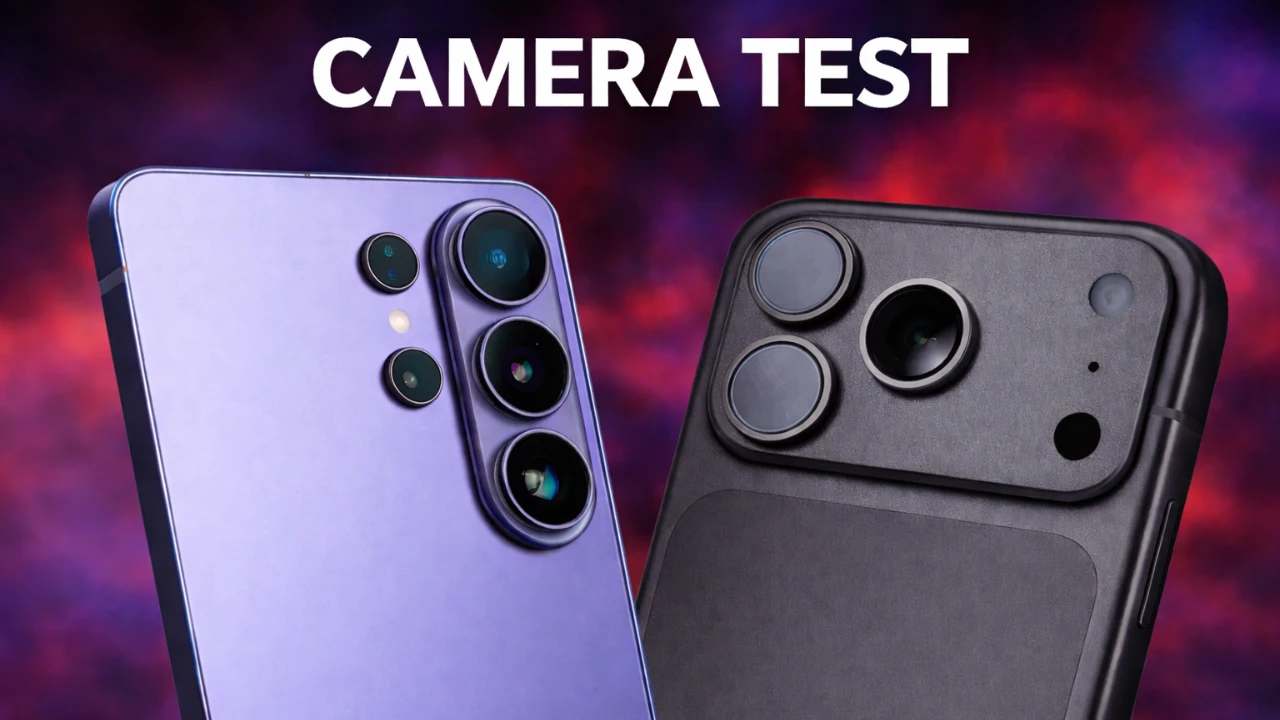
Choosing between the Samsung Galaxy S26 Ultra and the iPhone 17 Pro Max often comes down to their camera systems. These flagship devices represent the forefront of smartphone photography, each catering to distinct user preferences and needs. By examining their performance across various scenarios, you can determine which device aligns best with your priorities. The video below from SuperSaf compares the cameras on the iPhone 17 PRO Max with the new Samsung Galaxy S26 Ultra. Let’s find out which one is best for photos and videos.

Primary Camera: Resolution vs. Consistency
The primary cameras on these devices showcase their unique philosophies. The Samsung Galaxy S26 Ultra features a new 200MP sensor, capable of capturing extraordinary detail, particularly in bright conditions. However, its default setting captures 12MP images, requiring manual adjustments to unlock the full resolution. This approach appeals to users who prioritize resolution and sharpness.
The iPhone 17 Pro Max, on the other hand, defaults to 24MP images, striking a balance between detail and convenience. Its low-light performance is particularly impressive, with superior noise reduction and natural color reproduction. While Samsung’s images can appear overly vibrant in dim environments, the iPhone delivers more consistent results. If you value sharpness and resolution, Samsung leads, but for reliable low-light performance, the iPhone stands out.
Ultra-Wide Camera: Dynamic Range vs. Low-Light Challenges
The ultra-wide cameras on these devices further highlight their differences. Samsung’s ultra-wide lens excels in sharpness and dynamic range, particularly in challenging lighting conditions. It also performs admirably in low-light scenarios, reducing noise and preserving detail effectively.
The iPhone’s ultra-wide camera, while competent in well-lit environments, struggles with softness and noise in dimmer settings. For users who frequently rely on ultra-wide photography, Samsung’s superior performance in this area makes it the more dependable choice.
Telephoto and Zoom: Versatility vs. Nighttime Clarity
Zoom capabilities are a defining feature of these smartphones. Samsung offers dual optical zoom lenses with 3x and 5x magnification, allowing users to capture distant subjects with remarkable clarity in well-lit conditions. This extended zoom range is particularly useful for outdoor photography and events.
The iPhone, however, excels in low-light zoom scenarios. Its telephoto lens delivers cleaner, sharper images in dim environments, making it a better choice for nighttime photography. Your decision here depends on whether you prioritize zoom range in bright conditions or clarity in low-light settings.
Portraits and Selfies: Drama vs. Versatility
Portrait photography is another area where these devices shine, albeit in different ways. Samsung’s optical zoom enhances portrait sharpness, creating striking subject-background separation. This makes it ideal for users who prefer dramatic, high-impact portraits.
The iPhone, by contrast, offers more natural edge detection and a wider selfie angle, making it better suited for group shots or creative framing. Its center stage camera adds further versatility, allowing users to capture both portrait and landscape selfies without rotating the device. For flexibility and natural results, the iPhone is the better option, while Samsung is the choice for sharper, more dramatic portraits.
AI Features and Editing Tools: Creative Control vs. Simplicity
Samsung leads in AI-powered editing tools, offering features like generative edits, object removal, and blending options. These tools provide users with greater creative control, allowing precise refinements to their images. This makes Samsung an excellent choice for those who enjoy experimenting with post-processing.
The iPhone’s AI tools, while effective, are more straightforward and limited in scope. They cater to users who prefer simplicity and ease of use. If you value advanced editing capabilities, Samsung offers a clear advantage. For no-fuss editing, the iPhone remains a reliable choice.
Video Recording and Stabilization: Customization vs. Cinematic Storytelling
Both devices excel in video recording but cater to different needs. Samsung supports 8K video recording and includes advanced stabilization features like horizontal lock, making sure smooth footage even during movement. It also offers pro video controls, giving users greater customization over settings.
The iPhone, on the other hand, delivers sharper low-light video and enhances storytelling with its cinematic mode. This feature allows users to dynamically adjust focus and blur, creating professional-looking videos with ease. For high-resolution video and customization, Samsung is the better option. For cinematic effects and low-light videography, the iPhone takes the lead.
Slow Motion and Audio: Expanded Options vs. Precision
Both devices support 4K slow-motion recording at 120fps, but Samsung extends this feature to its ultra-wide camera, adding versatility. In terms of audio, Samsung includes an audio eraser tool to reduce background noise, while the iPhone offers multiple audio mix modes for enhanced sound quality.
Your choice here depends on your priorities. If you value noise reduction and versatility, Samsung stands out. For precise audio mixing and sound quality, the iPhone is the better choice.
Making the Right Choice
The Samsung Galaxy S26 Ultra and iPhone 17 Pro Max represent the pinnacle of smartphone camera technology, each excelling in specific areas. Their strengths can be summarized as follows:
- iPhone 17 Pro Max Strengths:
- Exceptional low-light performance.
- Center stage camera for versatile selfies.
- Natural edge detection in portraits.
- Cinematic video effects for storytelling.
- Samsung Galaxy S26 Ultra Strengths:
- Superior ultra-wide and extended zoom capabilities in good light.
- Advanced AI editing tools for creative control.
- 8K video recording with pro-level customization.
- Versatile slow-motion options.
Ultimately, your decision should reflect your individual needs and preferences. If you prioritize low-light performance, natural results, and cinematic effects, the iPhone is the better choice. For advanced editing, high-resolution video, and versatile zoom capabilities, Samsung offers more. Both devices deliver exceptional camera systems, making sure satisfaction regardless of your choice.
Stay informed about the latest in Samsung Galaxy S26 Ultra by exploring our other resources and articles.
- Samsung Galaxy S26 Ultra: Prepare for the Next Level
- Privacy Display: Why the Samsung Galaxy S26 Ultra Stands Out
- Samsung’s Galaxy S26 Ultra: A Fantastic option in 2026
- Samsung Galaxy S26 Ultra: Features, Specs, and Release Date
- Samsung Galaxy S26 Ultra: Pros, Cons, and Key Features
Source: SuperSaf
Disclosure: Some of our articles include affiliate links. If you buy something through one of these links, Geeky Gadgets may earn an affiliate commission. Learn about our Disclosure Policy.
