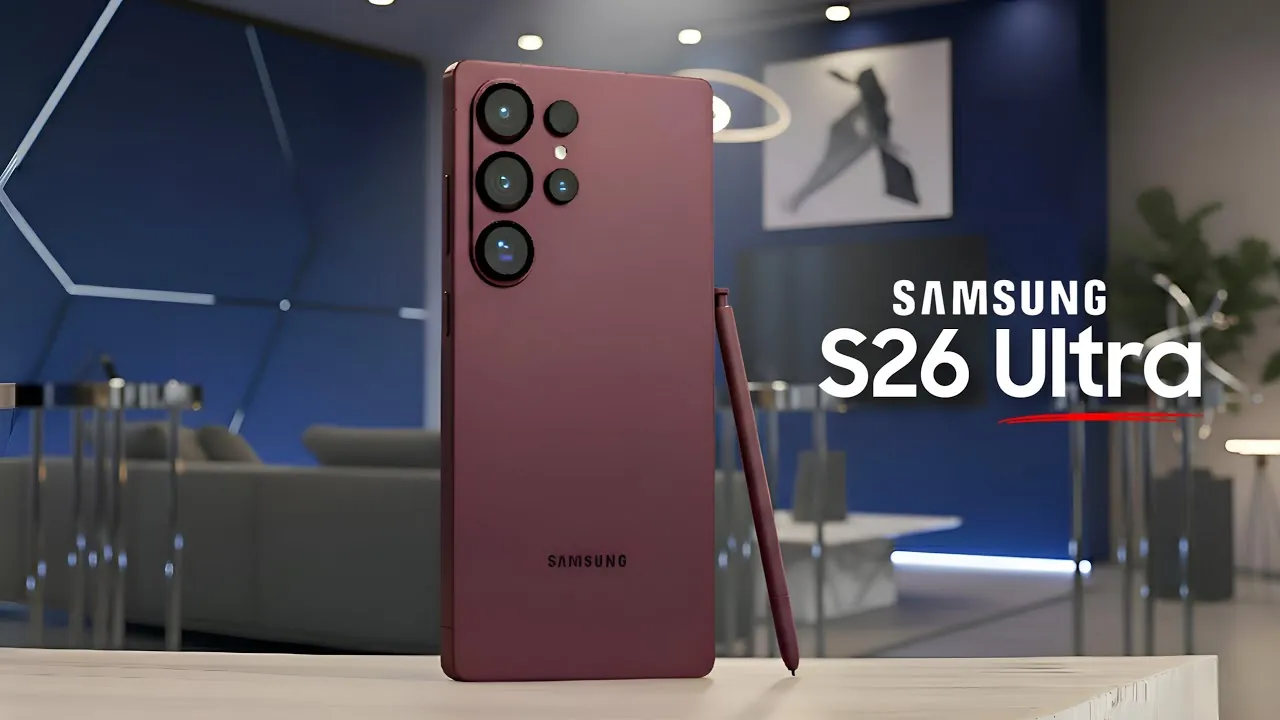
 The Samsung Galaxy S26 Ultra, one of the most highly anticipated flagship smartphones of the year, has become a focal point of discussion due to a critical issue tied to its rumored processor. Leaks suggest that Samsung may equip its global models with Qualcomm’s Snapdragon 8 Gen 5 chip, a processor designed to deliver innovative performance. However, reports of overheating during intensive use have raised concerns about its practicality. This issue places Samsung in a challenging position, forcing the company to carefully balance performance, thermal management, and user satisfaction to meet the high expectations of its flagship audience.

Processor Dilemma: Snapdragon 8 Gen 5 vs. Exynos 2600
Samsung’s processor decision for the Galaxy S26 Ultra revolves around two primary options: Qualcomm’s Snapdragon 8 Gen 5 and its in-house Exynos 2600. The Snapdragon 8 Gen 5 is a technological powerhouse, boasting exceptional AI capabilities and raw processing speed. However, stress tests have revealed a significant drawback—overheating. Reports indicate that the processor’s temperature can exceed 52°C during demanding tasks, leading to performance throttling and potential discomfort for users.
On the other hand, the Exynos 2600, while potentially more thermally efficient, may not match the Snapdragon in terms of raw power. Samsung’s previous reliance on Exynos processors has drawn criticism from users who perceived them as inferior to Snapdragon chips in both performance and compatibility. This creates a delicate situation for Samsung, as it must weigh the benefits of thermal efficiency against the risk of alienating a segment of its customer base. The decision is further complicated by the need to maintain consumer trust and deliver a device that meets the high standards expected of a flagship smartphone.
Snapdragon 8 Gen 5: Performance vs. Thermal Challenges
The Snapdragon 8 Gen 5 is engineered to deliver industry-leading performance, excelling in multitasking, gaming, and resource-intensive applications. Its advanced AI capabilities make it a strong contender for powering the Galaxy S26 Ultra, promising seamless user experiences and enhanced functionality. However, these advantages come with a significant trade-off. Stress tests have revealed that the chip generates excessive heat under heavy workloads, leading to performance degradation and potential long-term reliability concerns.
This overheating issue highlights the critical importance of effective thermal management in modern smartphones. Without robust cooling solutions, the processor’s full potential could be compromised, negatively impacting the overall user experience. For Samsung, addressing this challenge is essential to ensure that the Galaxy S26 Ultra delivers on its promise of top-tier performance without sacrificing reliability or user comfort.
Cooling Systems: A Crucial Factor
Thermal management is a key consideration for high-powered devices like the Galaxy S26 Ultra. To address the overheating issues associated with the Snapdragon 8 Gen 5, Samsung may need to explore advanced cooling technologies and innovative design solutions. Several potential approaches could be considered:
- Vapor Chamber Technology: This cooling method uses liquid evaporation and condensation to dissipate heat efficiently. While effective, current designs may need to be scaled up to handle the Snapdragon 8 Gen 5’s thermal output. Experts suggest increasing the vapor chamber size by at least 15% to improve heat dissipation.
- Processor Adjustments: Underclocking the Snapdragon 8 Gen 5 could reduce heat generation by limiting its peak performance. However, this approach risks diminishing the processor’s appeal by compromising its raw power.
- Alternative Materials: Exploring new materials with superior thermal conductivity could provide a long-term solution for managing heat more effectively.
Each of these options comes with trade-offs, requiring Samsung to carefully evaluate their feasibility and impact on the device’s overall performance and user satisfaction.
Samsung’s Options: A Delicate Balancing Act
Samsung faces a complex decision as it prepares to finalize the Galaxy S26 Ultra’s design. Opting for the Snapdragon 8 Gen 5 would necessitate significant investments in cooling systems or processor modifications to mitigate overheating. While underclocking could help manage heat, it risks reducing the processor’s competitive edge, potentially disappointing users who expect top-tier performance from a flagship device.
Alternatively, reverting to the Exynos 260 could offer better thermal efficiency and alleviate overheating concerns. However, this move could reignite criticism from users who have historically preferred Snapdragon chips for their superior performance and compatibility with third-party applications. Samsung must carefully weigh these options, as the decision will not only influence the Galaxy S26 Ultra’s reception but also shape the company’s reputation in the highly competitive flagship smartphone market.
Uncertainty Clouds the Galaxy S26 Ultra
As of Saturday, November 15, 2025, Samsung has yet to confirm its final processor choice for the Galaxy S26 Ultra. The company is navigating a complex trade-off between delivering top-tier performance and ensuring reliable thermal management. Fans and industry experts are closely monitoring the situation, as the resolution of this issue could significantly impact the device’s success and consumer trust in Samsung’s flagship lineup. The stakes are high, and Samsung’s ability to address these challenges effectively will play a pivotal role in determining the Galaxy S26 Ultra’s place in the competitive smartphone landscape.
Dive deeper into the Samsung Galaxy S26 Ultra with other articles and guides we have written below.
- Galaxy S26 Ultra: Samsung’s Wildest Smartphone Upgrade Ever
- 5 Reasons the Samsung Galaxy S26 Ultra Redefines Smartphones
- Samsung Galaxy S26 Ultra: Top 3 Features You Need to Know
- Samsung Galaxy S26 Ultra: Privacy and Display Features
- When is the Samsung Galaxy S26 Ultra Coming Out?
Source & Image Credit: Demon’s Tech
Disclosure: Some of our articles include affiliate links. If you buy something through one of these links, Geeky Gadgets may earn an affiliate commission. Learn about our Disclosure Policy.
