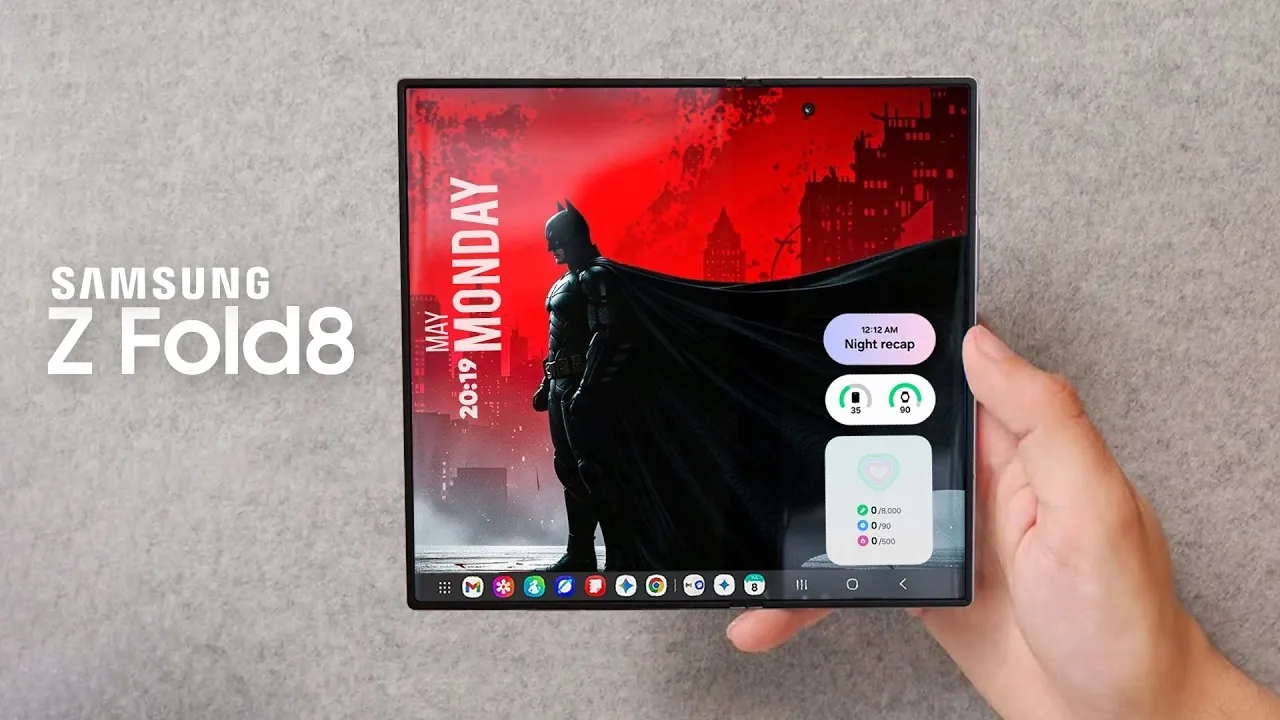
The Samsung Galaxy Z Fold 8, the latest entrant in Samsung’s foldable smartphone lineup, brings incremental upgrades but fails to address critical consumer expectations. While it introduces improvements in battery capacity and charging speed, the device struggles to deliver meaningful innovation in areas that matter most to users. This cautious approach leaves Samsung vulnerable to competitors like Apple and Chinese manufacturers, who are aggressively advancing in the foldable market.

Battery and Charging: Incremental Improvements
The Z Fold 8 features a 5,000 mAh battery, matching the capacity of Samsung’s flagship Ultra series. This upgrade offers a modest improvement in battery life, addressing one of the common concerns among foldable device users. Additionally, the inclusion of faster charging technology ensures quicker recharges, aligning with modern consumer expectations for convenience.
However, these enhancements, while practical, lack the bold innovation needed to set the Z Fold 8 apart in an increasingly competitive market. Incremental gains in battery performance are unlikely to captivate consumers who are seeking fantastic advancements in foldable technology.
Display Crease: A Persistent Issue
One of the most glaring shortcomings of the Z Fold 8 is its unresolved display crease. Despite being a defining characteristic of foldable devices, the crease remains largely unchanged from its predecessor, the Z Fold 7. This is particularly disappointing given Samsung’s reported development of creaseless display technology, which it is rumored to be supplying to Apple for its upcoming iPhone Fold.
The decision to withhold this innovation from its own flagship foldable device raises questions about Samsung’s strategic priorities. For users, the visible crease continues to detract from the premium experience expected from a high-end device, undermining its appeal in a market where aesthetics and usability are paramount.
Key Features: Overlooked Opportunities
The Z Fold 8 misses the mark in delivering features that could have significantly enhanced its utility and appeal. Notably, the absence of SPEN support is a major drawback for productivity-focused users. Neither the standard model nor the rumored Fold 8 Wide variant includes compatibility with Samsung’s stylus, a feature that could have made the device more attractive to professionals and creatives.
Another missed opportunity is the lack of a privacy display, a feature designed to limit screen visibility from side angles. In an era where privacy concerns are growing, such an addition could have set the Z Fold 8 apart from its competitors. These omissions highlight Samsung’s conservative approach, which risks alienating users who expect more from a premium foldable device.
Hinge Design: A Mixed Bag
Samsung has introduced a redesigned hinge mechanism for the Z Fold 8, aiming to make the device thinner and more compact. While this aligns with the industry’s push for sleeker designs, early feedback suggests that the new hinge may feel less sturdy. This raises concerns about the device’s durability, particularly in Flex mode, a feature that allows the phone to hold its position at various angles.
If the hinge’s reliability is compromised, it could erode consumer confidence in the device’s long-term usability. For a premium foldable smartphone, durability is a critical factor and any perceived weakness in this area could significantly impact its market performance.
Competition and Market Dynamics
The foldable smartphone market is evolving rapidly, with competitors like Huawei and Oppo setting new benchmarks for innovation. These brands are producing thinner devices with nearly invisible creases and superior hardware, challenging Samsung’s dominance in the segment. Meanwhile, Apple’s anticipated entry into the foldable market further intensifies the competition.
Samsung’s conservative strategy, which prioritizes thinness over meaningful advancements, risks leaving it behind. As consumer expectations shift toward comprehensive innovation and value, incremental updates may no longer suffice to maintain Samsung’s leadership position. The Z Fold 8’s underwhelming updates highlight the challenges of staying ahead in a rapidly maturing market.
The Future of Foldable Technology
The foldable market has reached a turning point, with consumers becoming more discerning and demanding. Early adopters once celebrated Samsung for pioneering foldable technology, but today’s buyers prioritize overall product quality and innovation. The Z Fold 8, with its modest improvements and significant omissions, underscores the need for Samsung to rethink its approach.
As rivals continue to push the boundaries of what foldable smartphones can achieve, Samsung’s cautious strategy may cost it the dominance it once enjoyed. The Z Fold 8 serves as a reminder that in a competitive market, standing still is not an option. To reclaim its innovative edge, Samsung must address these shortcomings in future iterations, delivering devices that not only meet but exceed consumer expectations.
Explore further guides and articles from our vast library that you may find relevant to your interests in Foldable Smartphone.
- iPhone Fold – The 7.8-inch ‘iPad Mini’ in Your Pocket that Makes the Z Fold 8 Look Small
- Samsung Finally Fixes the Fold: Meet the 5.4-inch Galaxy Z Fold 8 Wide
- Why the Samsung Galaxy Z Fold 8 Might Make You Forget the iPhone Fold
- Why Samsung is Finally Changing the Galaxy Z Fold 8 Design
- The ‘Passport’ iPhone Is Real: First Look at Apple’s Foldable ‘Ultra’ Design and its 7.8-inch Display
Source & Image Credit: TechTalkTV
Disclosure: Some of our articles include affiliate links. If you buy something through one of these links, Geeky Gadgets may earn an affiliate commission. Learn about our Disclosure Policy.
