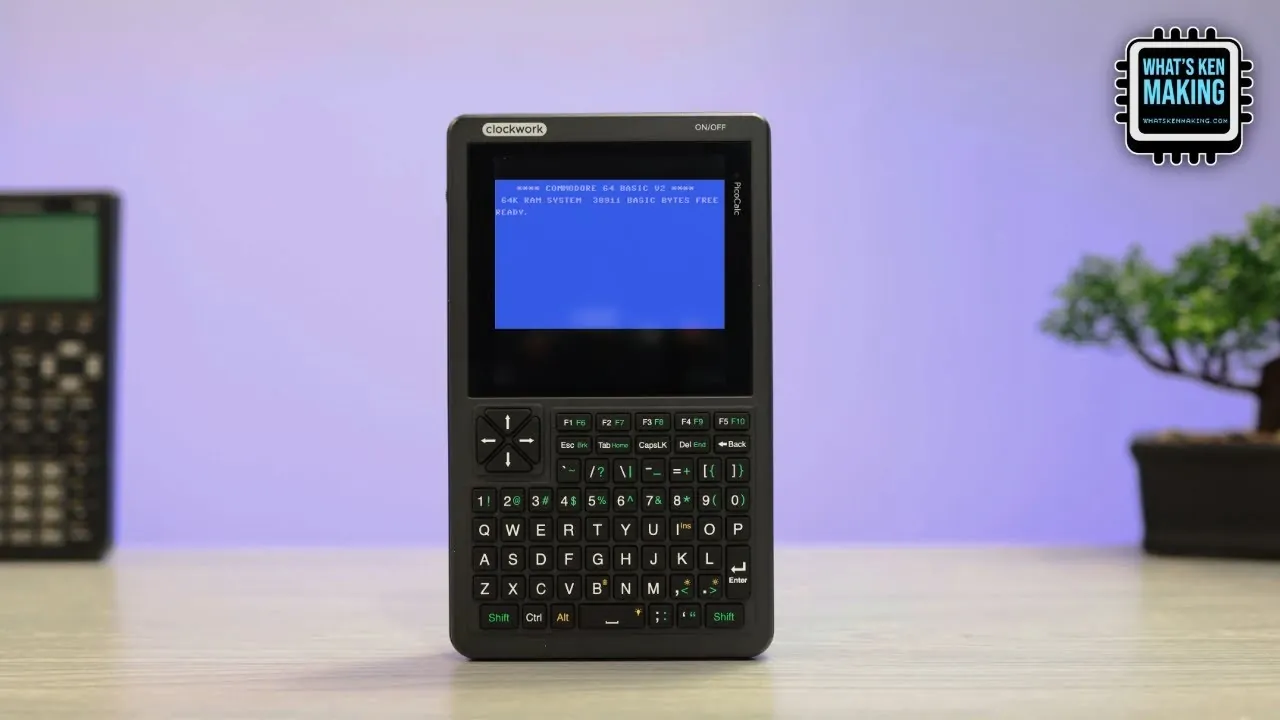
What if your calculator could do more than crunch numbers? Imagine a pocket-sized device that not only solves equations but also doubles as a retro gaming console, a basic computer, and a platform for hands-on experimentation. Enter the PicoCalc, a DIY marvel powered by the Raspberry Pi Pico microcontroller. Designed for tinkerers, programmers, and retro computing enthusiasts, this compact gadget is more than just a tool, it’s an invitation to explore the boundaries of creativity and technology. With its modular design, extended battery life, and customizable firmware, the PicoCalc offers a unique blend of functionality and fun, making it a standout in the world of DIY electronics.
What’s Ken Making takes you inside the Raspberry Pi-powered PicoCalc, uncovering what makes it a fantastic option for hobbyists and tech enthusiasts alike. From its hands-on assembly process to its versatile hardware and software capabilities, the PicoCalc is a gateway to learning, experimentation, and nostalgia. Whether you’re curious about building your own devices, diving into retro gaming, or exploring programming on a microcontroller, this device has something to offer. But what truly sets it apart is how it transforms a simple calculator into a playground for innovation. Let’s explore how this unassuming device bridges the gap between practicality and imagination.
PicoCalc: DIY Tech Kit
TL;DR Key Takeaways :
- The PicoCalc is a DIY kit combining a calculator, basic computer, and retro gaming emulator, built around the Raspberry Pi Pico microcontroller, designed for hobbyists, programmers, and retro computing enthusiasts.
- Its modular design, customizable firmware, and extended battery life (up to 36 hours) make it ideal for experimentation, learning, and creative exploration.
- The device features a durable molded plastic enclosure, a 67-key rubber keyboard, a 320×320 IPS display, dual speakers, and a USB-C port for modern connectivity.
- It runs on Picomite OS with MM Basic programming language, supporting multimedia, hardware customization, and retro gaming emulation, with options for advanced firmware and processor upgrades.
- The PicoCalc is targeted at tinkerers, programmers, and retro computing enthusiasts, offering a hands-on assembly process and opportunities for technical exploration and creativity.
What Sets the PicoCalc Apart?
The PicoCalc is more than just a device; it is an interactive project that fosters creativity and technical exploration. By assembling and customizing the PicoCalc, users gain a deeper understanding of both hardware and software. Its design emphasizes portability, durability, and adaptability, making it a standout choice for those who enjoy building and modifying their own tools. Whether you are interested in programming, hardware tinkering, or retro gaming, the PicoCalc provides a customizable and engaging platform tailored to your interests.
What truly sets the PicoCalc apart is its ability to cater to a wide range of users. It is not just a tool but a gateway to learning and experimentation. The device encourages users to think critically, solve problems, and explore new possibilities, making it a valuable resource for anyone passionate about technology.
Design and Assembly: A Hands-On Journey
The PicoCalc is delivered as a DIY kit, offering an interactive assembly process that appeals to users of varying skill levels. The kit includes all the necessary components, along with a detailed instruction manual to guide you through the assembly process. Key design features include:
- A molded plastic enclosure that securely houses the internal components, making sure durability and portability.
- A 67-key rubber keyboard that provides a tactile and responsive input experience.
- A 320×320 IPS display with tempered glass, offering excellent clarity and protection against scratches.
- Audio components, including dual speakers, a 3.5mm audio jack, and a volume wheel for enhanced multimedia functionality.
The assembly process is straightforward yet rewarding, making it an excellent introduction to hardware assembly for beginners while still engaging for experienced users. Once assembled, the PicoCalc’s compact and robust design makes it ideal for on-the-go use, whether you are programming, gaming, or experimenting with hardware.
Inside the Raspberry Pi Powered PicoCalc

Find more information on Raspberry Pi Pico by browsing our extensive range of articles, guides and tutorials.
- Raspberry Pi Pico-based Midi Fighter project
- Micro Gherkin Raspberry Pi Pico mini keyboard
- Weather station powered by Raspberry Pi Pico
- PicoStepSeq Raspberry Pi RP2040 music machine
- Raspberry Pi Pico 2 next-generation RP2350 microcontroller
- Build Raspberry Pi audio and video projects using the PicoVision
- Lisperati 1000 portable programming workstation powered by a
- Listen to bats using the Raspberry Pi Pico Bat Detector
- Raspberry Pi Pico PICOmputer keyboard
- Raspberry Pi Pico 2W Features, Specs and Performance
Hardware Components: A Powerful Core
At the heart of the PicoCalc is the Raspberry Pi Pico microcontroller, renowned for its balance of performance, energy efficiency, and affordability. This microcontroller serves as the primary processing unit, allowing the device to handle a variety of tasks with ease. Complementing the Raspberry Pi Pico is a secondary STM32 microcontroller, which manages keyboard input for seamless and responsive interaction. Additional hardware highlights include:
- Expansion headers for GPIO pins, allowing users to connect additional hardware and customize the device to suit their needs.
- A USB-C port for modern connectivity, supporting both data transfer and charging.
- Configurable DIP switches that enable flexible hardware configurations and advanced customization options.
This combination of components ensures that the PicoCalc is not only powerful but also highly adaptable, making it suitable for a wide range of technical projects. Whether you are developing custom applications, experimenting with hardware, or exploring retro computing, the PicoCalc provides the tools you need to succeed.
Battery Life and Power Efficiency
The PicoCalc is equipped with two 18650 lithium-ion batteries, configured in parallel to maximize runtime and reliability. Under optimal conditions, the device can operate for up to 36 hours on a single charge, making it well-suited for extended use. This extended battery life is particularly beneficial for:
- Long programming sessions that require uninterrupted focus.
- Retro gaming marathons that demand consistent performance.
- On-the-go hardware experimentation without frequent recharging.
Charging the PicoCalc is simple and efficient, thanks to its USB-C port, which is compatible with modern charging accessories. This focus on power efficiency ensures that the device remains dependable, even during prolonged use, making it a reliable companion for both work and play.
Software and Operating System
The PicoCalc runs on Picomite OS, a lightweight and versatile operating system designed to maximize the device’s capabilities. At the core of Picomite OS is MM Basic, a programming language that supports a wide range of functions, including:
- Audio playback for multimedia applications.
- Image display for visual projects and retro gaming.
- Peripheral control for hardware experimentation and customization.
This operating system is optimized for simplicity and efficiency, making sure smooth performance across all its functions. Whether you are learning to code, developing custom applications, or exploring retro computing, Picomite OS provides a stable and user-friendly platform to bring your ideas to life.
Customization and Firmware Flexibility
One of the most compelling features of the PicoCalc is its support for custom firmware, allowing users to tailor the device to their specific needs. The device is compatible with emulators for classic systems such as the NES and Commodore 64, allowing users to revisit and enjoy retro games. Additionally, it supports Unix-like operating systems such as Fusix, providing a more advanced platform for programming and development.
For those seeking enhanced performance, the PicoCalc can accommodate alternative processors, such as the Luxfox LRA, which supports Linux-based systems. This level of customization makes the PicoCalc a powerful and flexible tool for developers, hobbyists, and retro computing enthusiasts alike.
Who Benefits from the PicoCalc?
The PicoCalc is designed for individuals who enjoy hands-on projects and technical exploration. Its target audience includes:
- Tinkerers and hobbyists who take pleasure in assembling and customizing hardware.
- Programmers looking for a compact and versatile platform to experiment with coding and application development.
- Retro computing enthusiasts interested in emulation and classic gaming systems.
While the PicoCalc offers a rich and engaging experience, it may not be the best choice for those seeking a plug-and-play gaming emulator. Its primary appeal lies in its DIY nature and the opportunities it provides for learning and experimentation, making it a valuable tool for those who enjoy exploring the intersection of hardware and software.
Media Credit: What’s Ken Making
Disclosure: Some of our articles include affiliate links. If you buy something through one of these links, Geeky Gadgets may earn an affiliate commission. Learn about our Disclosure Policy.
