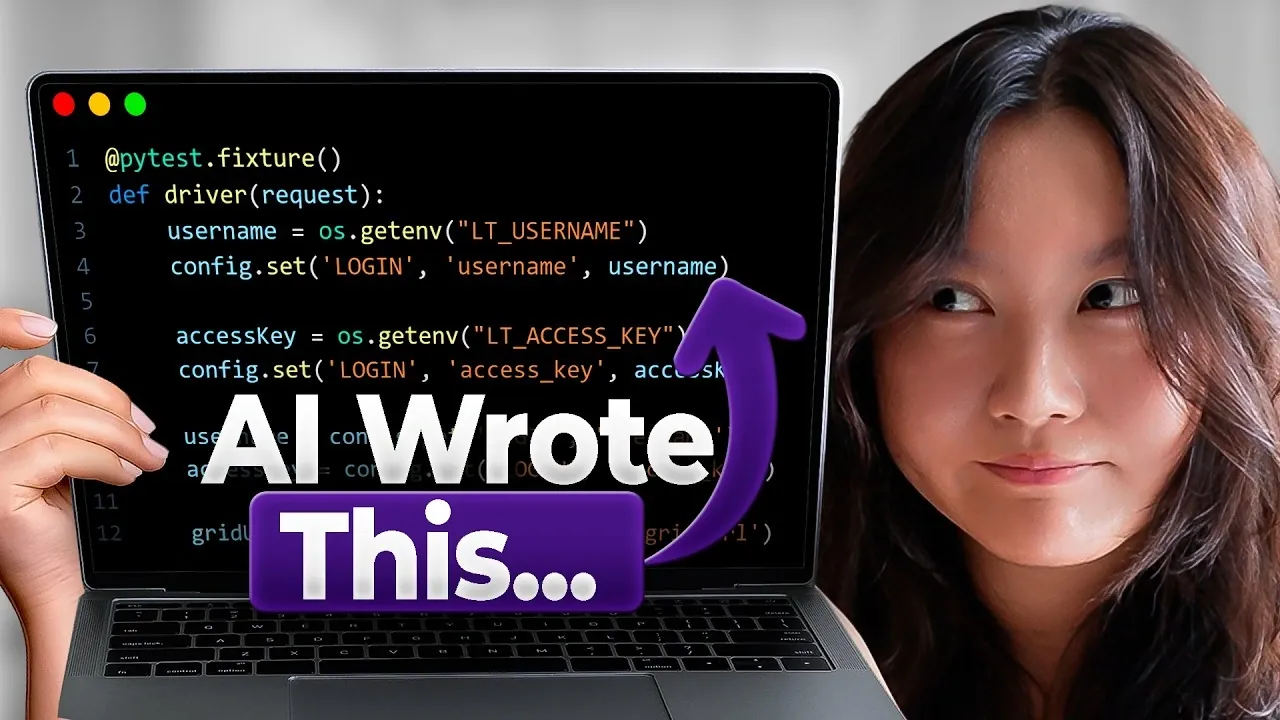
Learning to code in 2026 involves balancing foundational programming skills with the ability to adapt to evolving technologies. According to Tina Huang, while AI coding agents can automate many repetitive tasks, understanding key concepts like variables, loops and object-oriented programming remains essential. For example, proficiency in working with APIs enables you to connect external services to your projects, a capability that requires human oversight and problem-solving beyond what AI can provide.
Learn how to establish a solid coding foundation by focusing on core principles and exploring software architecture. You’ll see how to use version control systems like Git to manage collaborative workflows effectively. Additionally, this quick-start guide covers security practices such as encryption and vulnerability assessments, along with advanced topics like microservices and containerization to address complex development needs.
Learning to Code in 2026
TL;DR Key Takeaways :
- In 2026, coding focuses on mastering foundational skills like variables, loops, APIs and software architecture while using AI tools for efficiency.
- Understanding software architecture, including database management, testing strategies and deployment processes, is crucial for building scalable and maintainable systems.
- Version control systems like Git and collaboration platforms such as GitHub are essential for managing code changes and working effectively with both humans and AI coding agents.
- Security and privacy remain critical, requiring practices like secure authentication, data encryption and regular vulnerability assessments to protect projects and user data.
- Agentic engineering, the management of AI coding agents, emphasizes setting clear objectives, providing precise instructions and validating AI-generated outputs to optimize workflows and maintain control over projects.
Mastering the Basics
Building a strong programming foundation begins with understanding core concepts that form the backbone of all programming languages. These include:
- Variables and data types: The building blocks for storing and manipulating data.
- Loops and conditionals: Essential for automating repetitive tasks and implementing decision-making logic.
- Object-oriented programming (OOP): A paradigm for organizing code into reusable objects.
- Application Programming Interfaces (APIs): Tools that allow your applications to interact with external services.
For example, loops and conditionals enable you to automate tasks like processing large datasets, while APIs allow seamless integration with third-party platforms. Python remains a popular choice for AI and data-focused projects due to its simplicity and versatility, while JavaScript continues to dominate web development. Even with the assistance of AI coding agents, your ability to understand and communicate these basics is critical, as these tools rely on clear, logical instructions to perform tasks effectively.
Understanding Software Architecture
In 2026, coding extends beyond writing individual lines of code to designing robust and scalable systems. Software architecture focuses on structuring projects, selecting appropriate technologies and managing data flow. Key areas to prioritize include:
- Database management: Organizing and storing data efficiently for easy retrieval and updates.
- Testing strategies: Making sure code reliability and functionality through systematic testing.
- Deployment processes: Streamlining the transition of applications from development to production environments.
For instance, when developing a web application, you must conceptualize the final product, plan its components and ensure scalability to accommodate future growth. While AI tools can assist with specific tasks, your ability to oversee the overall design and align it with project goals remains irreplaceable. A strong grasp of software architecture ensures that your projects are not only functional but also maintainable and adaptable to changing requirements.

Check out more relevant guides from our extensive collection on AI tools that you might find useful.
- Google AI Tools Overview from Gemini to NotebookLM
- Software Company Valuations Fall as AI Replaces Specialized Tools
- 5 Time Saving Al Tools for Content Creators in 2026
- CapCut AI Video Editor: Free Tools for Professional Video Creation
- Best AI Tools Comparison, 14 Winners for Notes, Images & Video
- 10 Mind-Blowing Free AI Animation Tools You Need in 2024
- 20+ Free AI tools and phone apps for Android and iOS
- 7 Amazing AI audio tools for sounds, voices and music
- Advanced AI Brainstorming techniques to improve your ideas
- How to Use AI to Optimize Your iOS Development Workflow
Version Control and Collaboration
Version control systems like Git and platforms such as GitHub are indispensable for managing code changes and facilitating collaboration in 2026. These tools are particularly valuable in environments where both humans and AI coding agents contribute to projects. Essential skills to develop include:
- Creating and managing branches: Isolating changes to work on specific features or fixes.
- Merging changes: Combining updates from multiple contributors into a cohesive codebase.
- Resolving conflicts: Addressing discrepancies when multiple changes affect the same code.
For example, in a team project, Git allows you to track who made specific changes and why, providing transparency and accountability. This is especially important when working with AI tools, as their generated code often requires review and refinement to ensure it meets project requirements. Mastering version control not only enhances collaboration but also streamlines the development process, reducing errors and improving efficiency.
Prioritizing Security and Privacy
Security and privacy are critical considerations in modern software development. As you build projects, integrating security principles from the outset helps protect user data and prevent vulnerabilities. While AI coding agents can assist with development, they may overlook key security aspects, making your oversight essential. Examples of effective security practices include:
- Implementing secure authentication methods: Protecting user accounts with robust login systems.
- Encrypting sensitive data: Safeguarding information during storage and transmission.
- Conducting regular vulnerability assessments: Identifying and addressing potential weaknesses in your code.
By prioritizing security, you not only safeguard your projects but also build trust with users. This proactive approach ensures that your applications remain resilient against emerging threats, a critical factor in today’s interconnected digital landscape.
Exploring Advanced Topics
To deepen your expertise and enhance your career prospects, consider exploring advanced topics that improve scalability, maintainability and consistency in software development. Two key areas to focus on are:
- Microservices: Breaking applications into smaller, independent services to improve scalability and flexibility.
- Containerization: Using tools like Docker to ensure consistent performance across different environments.
For instance, containerization allows you to test new features in a controlled environment before deploying them to production, reducing the risk of disruptions. These advanced techniques are particularly valuable when working with AI coding agents, as they help isolate applications and streamline workflows. By mastering these concepts, you can tackle complex projects with confidence and efficiency.
Agentic Engineering: Managing AI Coding Agents
Agentic engineering is an emerging workflow in 2026 that focuses on managing AI coding agents to build, optimize and troubleshoot projects. To excel in this area, you need to develop skills such as:
- Setting up projects effectively: Defining clear objectives and parameters for AI tools.
- Communicating clear instructions: Providing precise and logical directives to AI agents.
- Monitoring and validating outputs: Reviewing AI-generated code to ensure it aligns with project requirements.
For example, when using an AI agent to generate code, you must carefully review its results to identify potential errors or inefficiencies. This skill bridges the gap between human creativity and AI efficiency, allowing you to tackle complex challenges more effectively. By mastering agentic engineering, you can harness the full potential of AI tools while maintaining control over your projects.
Effective Learning Techniques
To learn coding efficiently, combine traditional methods with AI-powered tools. Strategies to accelerate your learning include:
- Using AI to summarize documentation: Quickly grasping complex concepts and frameworks.
- Building projects: Applying theoretical knowledge to real-world scenarios.
- Adapting existing projects: Experimenting with alternative implementations to deepen your understanding.
For instance, AI tools can analyze complex libraries or frameworks, helping you understand their functionality more quickly. Additionally, they can suggest alternative solutions, allowing you to compare and choose the best approach for your project. By combining these techniques, you can create a personalized learning path that aligns with your goals and interests.
Creating an Efficient Learning Path
With focused effort and the support of AI tools, you can master foundational coding skills in approximately six months. A balanced approach that includes lectures, online resources and project-based learning will accelerate your progress. By dedicating time to practice and experimentation, you can build a strong foundation and gradually expand your expertise. Staying consistent and adaptable will ensure that you remain competitive in the ever-evolving world of programming.
Media Credit: Tina Huang
Disclosure: Some of our articles include affiliate links. If you buy something through one of these links, Geeky Gadgets may earn an affiliate commission. Learn about our Disclosure Policy.
