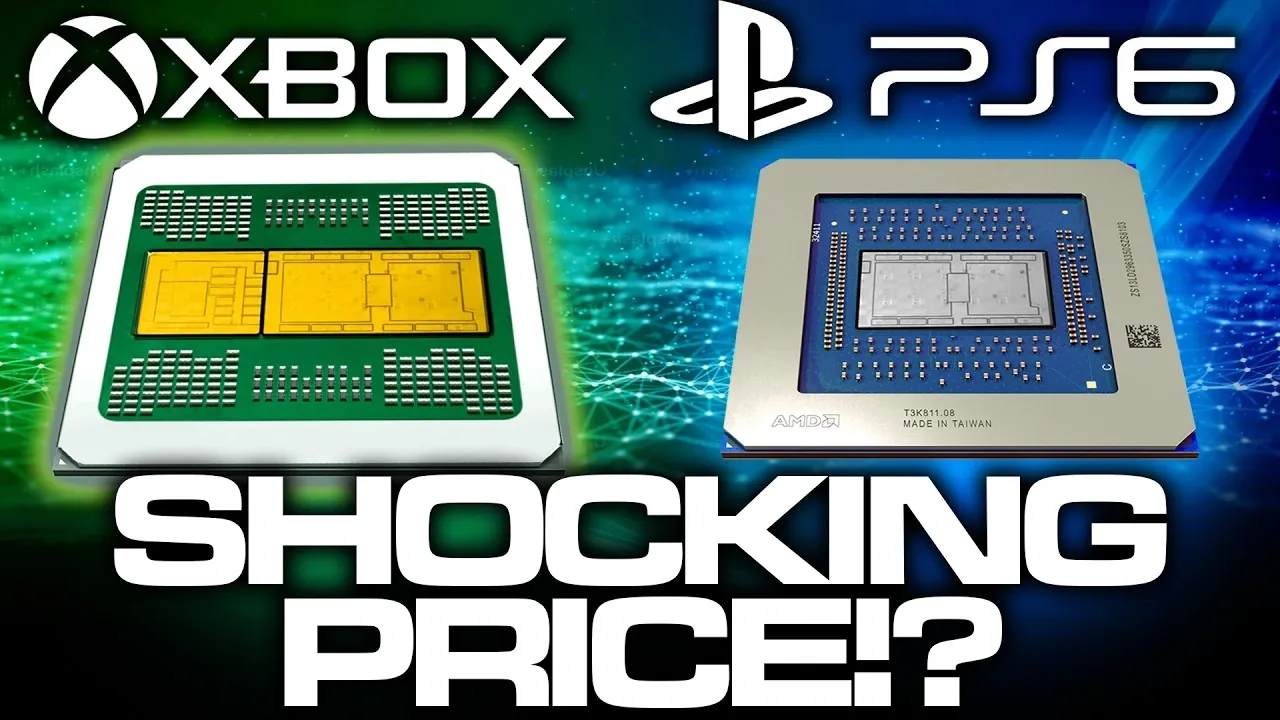
The upcoming release of the Xbox Helix and PlayStation 6 (PS6) marks a pivotal moment in the gaming industry, with both consoles offering distinct approaches to next-generation gaming. According to colteastwood, Microsoft is positioning the Xbox Helix as a high-performance device, featuring advanced hardware like a larger die size and enhanced GPU, with an estimated price range of $1,000 to $1,200. Meanwhile, Sony’s PS6 aims to balance performance and cost efficiency through a streamlined monolithic design, targeting a more accessible price range of $700 to $900. These contrasting strategies highlight a clear divide between affordability and premium performance in the market.
Dive into this overview to explore how these differences in pricing and hardware could shape the gaming landscape. Gain insight into the technical specifications driving each console’s design, from the Xbox Helix’s increased RAM to the PS6’s cost-efficient architecture. Understand how these factors, along with broader trends like rising production costs, might influence consumer decisions and adoption rates. Whether you’re a performance enthusiast or a value-focused gamer, this breakdown offers a detailed look at what to expect from the next generation of consoles.
Release Dates & Pricing: A Tale of Two Strategies
TL;DR Key Takeaways :
- Microsoft and Sony are set to release their next-generation consoles, Xbox Helix and PlayStation 6 (PS6), in late 2027, with distinct pricing and performance strategies.
- The PS6 is expected to cost between $700–$900, focusing on affordability and a cost-efficient monolithic design to attract a broader audience.
- The Xbox Helix, priced at $1,000–$1,200, targets high-end gamers with advanced hardware, including a larger die size, enhanced GPU and increased RAM for superior performance.
- Both consoles will feature AMD SoC designs and SSD storage for faster load times, but rising production costs may influence final retail prices and adoption rates.
- Sony’s strategy emphasizes accessibility, while Microsoft focuses on premium performance, creating distinct options for gamers based on budget and gaming priorities.
Both the Xbox Helix and PS6 are expected to launch simultaneously in late 2027, but their pricing strategies reflect divergent priorities. Sony is focusing on affordability, with the PS6 projected to retail between $700 and $900. This price range is made possible by using a streamlined monolithic architecture that reduces production costs without compromising core performance. By contrast, Microsoft is positioning the Xbox Helix as a luxury gaming device, with an estimated price tag of $1,000 to $1,200. This premium pricing underscores Microsoft’s investment in innovative components and advanced architecture, catering to gamers who demand the highest performance.
- PS6: Estimated price range of $700–$900, designed to appeal to budget-conscious gamers.
- Xbox Helix: Estimated price range of $1,000–$1,200, targeting enthusiasts seeking top-tier gaming experiences.
Sony’s strategy prioritizes accessibility, aiming to attract a broader audience, while Microsoft’s approach focuses on delivering unparalleled performance for a niche market willing to invest in premium hardware.
Hardware Breakdown: Performance vs Cost Efficiency
Both consoles will feature AMD system-on-chip (SoC) designs that integrate CPU and GPU capabilities to deliver seamless performance. However, the Xbox Helix is expected to outpace the PS6 in terms of raw power. With a larger die size, a more advanced GPU and increased RAM, the Xbox Helix is designed to handle demanding games and high-performance tasks with ease. These enhancements make it an ideal choice for gamers who prioritize performance above all else, but they also contribute to its higher price point.
- Xbox Helix: Larger die size, enhanced GPU and additional RAM for superior performance.
- PS6: Monolithic design with slightly scaled-back specifications to maintain affordability.
Both consoles will also incorporate SSD storage, making sure faster load times and smoother gameplay. However, rising costs for essential components such as RAM and GPUs are driving up production expenses for both manufacturers. This trend could influence final retail prices and potentially impact consumer adoption rates.

Advance your skills in Xbox Helix by reading more of our detailed content.
- Next-Gen Xbox Leak: Project Helix to Play Steam & PC Games
- Xbox Project Helix Leak: Price Range, Specs & Release Window
- Xbox Project Helix Reveals New AI Copilot Feature
- Project Helix Leak: Microsoft’s Next Xbox May Cost over $1,000
- Xbox Strategy Questions After Another Top Executive Exit
- Microsoft GDC 2026 Xbox Announcements: Helix, Xbox Mode and PC Plans
- Xbox Project Helix at GDC 2026: Release Window, Dev Kits and Key Features
Challenges in Transitioning to Next-Gen Consoles
The transition to next-generation consoles presents significant challenges for both Sony and Microsoft. Convincing gamers to upgrade from current-generation systems, such as the PS5 and Xbox Series X/S, to these pricier models will require compelling incentives. Sony’s history of profitability on hardware sales positions the PS6 as a more accessible option for a wider audience. Its cost-efficient design and competitive pricing are likely to attract budget-conscious gamers who value affordability without sacrificing quality.
On the other hand, Microsoft’s Xbox Helix, with its premium pricing and high-end components, is expected to appeal to a niche market of performance-focused gamers. These enthusiasts are willing to invest in innovative technology to achieve the best possible gaming experience.
- Higher price points may deter some consumers from upgrading immediately.
- Sony’s cost-efficient design could attract gamers seeking value for money.
- Microsoft’s focus on high-end components targets enthusiasts prioritizing performance.
Both companies plan to support their current-generation consoles for several years after the launch of their next-gen models. This strategy aims to ease the transition for gamers who may not be ready to adopt the new hardware immediately, making sure a smoother shift to the next generation.
What This Means for Gamers
The pricing and hardware differences between the PS6 and Xbox Helix are likely to play a pivotal role in shaping consumer decisions. Gamers who prioritize affordability and accessibility may gravitate toward the PS6, which offers a balanced approach to performance and cost. Conversely, those seeking the best possible performance and willing to pay a premium for advanced features may find the Xbox Helix more appealing.
The choice ultimately depends on individual preferences, including budget constraints, gaming priorities and expectations for next-generation performance. Both consoles promise to deliver significant advancements, but the trade-offs between price and performance will be a key factor for many gamers.
As the 2027 release date approaches, the competition between Sony and Microsoft is expected to intensify, with each company vying to capture the loyalty of gamers worldwide. Whether you prioritize affordability or innovative performance, the next generation of consoles promises to elevate gaming experiences to new heights.
Media Credit: colteastwood
Disclosure: Some of our articles include affiliate links. If you buy something through one of these links, Geeky Gadgets may earn an affiliate commission. Learn about our Disclosure Policy.
