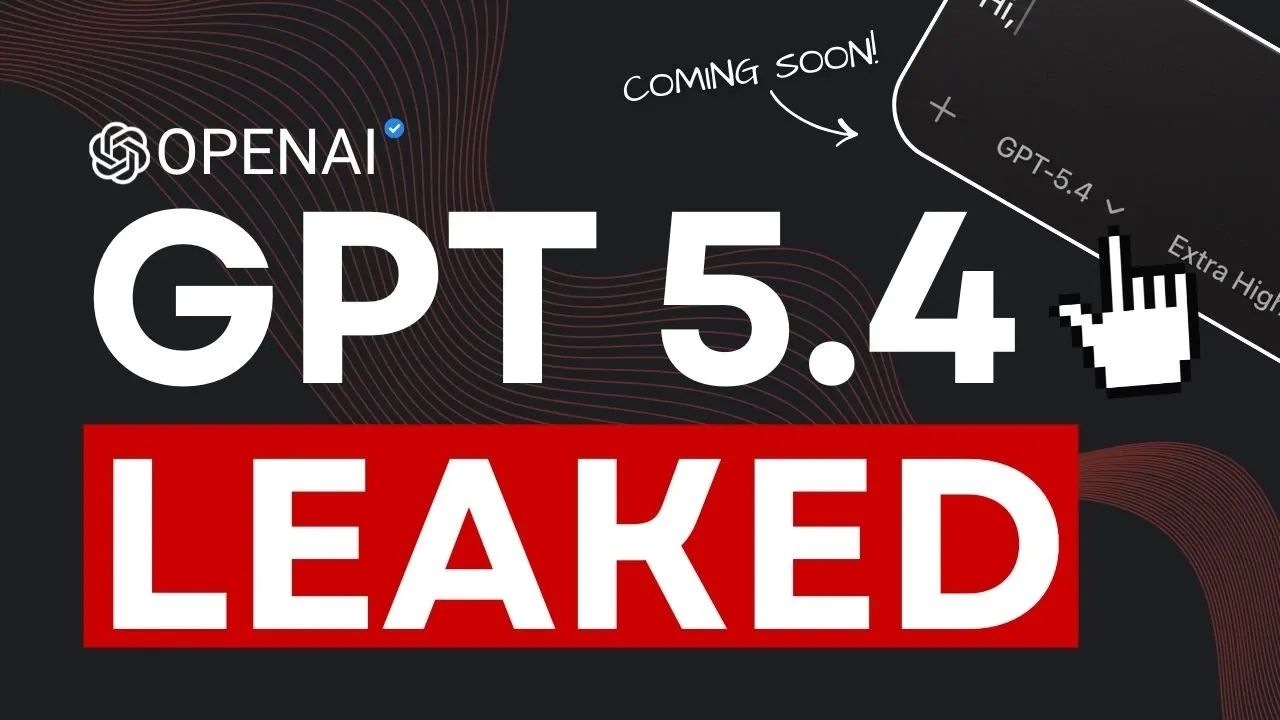
The AI landscape is buzzing with speculation following the alleged leak of OpenAI’s ChatGPT 5.4 model, a development that has sparked both excitement and concern. According to Universe of AI, the model reportedly showcases advancements in reasoning capabilities and adaptability, potentially setting a new benchmark for generative AI. However, the circumstances surrounding the leak have raised questions about OpenAI’s security measures and the broader implications of such incidents for proprietary technology. This event underscores the ongoing tension between rapid innovation and the need for robust governance in AI development.
This exposé also provide more insights into the upcoming launch of DeepSeek V4 and the growing momentum of the #QuitGPT movement. You’ll gain insights into how DeepSeek V4 could challenge existing players like GPT and Claude, particularly in areas like contextual understanding and scalability. Additionally, the post examines the societal pushback represented by the #QuitGPT movement, exploring its implications for AI governance and public trust. These developments highlight the complex interplay of technology, ethics and competition shaping the future of artificial intelligence.
AI Industry at Crossroads
TL;DR Key Takeaways :
- The rumored leak of OpenAI’s ChatGPT 5.4 model has sparked debates about its advanced capabilities in natural language processing and reasoning, alongside concerns over OpenAI’s security and transparency practices.
- The upcoming launch of DeepSeek V4, a Chinese-developed AI model, is expected to challenge major players like GPT and could influence global AI competition and geopolitical dynamics.
- AI’s integration into government and defense sectors is accelerating, raising ethical concerns about applications like autonomous weapons and surveillance and highlighting the need for comprehensive regulatory frameworks.
- The #QuitGPT movement reflects growing public concerns about AI governance, ethical transparency and societal impact, urging users to explore alternatives to ChatGPT.
- Global AI competition extends beyond technology, encompassing economic influence, political use and ethical leadership, with policymakers and developers facing pressure to balance innovation with responsibility.
GPT 5.4 Leak: Innovation or Cause for Concern?
The alleged leak of OpenAI’s ChatGPT 5.4 model has ignited widespread debate within the AI community. Reportedly revealed during a demonstration by a member of the Codex team, this incident has drawn attention to the model’s rumored capabilities. Although OpenAI has neither confirmed nor denied the leak, speculation suggests that GPT 5.4 represents a significant evolution from its predecessor, GPT 5.3, which is already integrated into advanced systems like Codex.
If the rumors are accurate, GPT 5.4 could introduce advancements in natural language processing, reasoning capabilities, and adaptability across diverse applications. These improvements could redefine expectations for generative AI, allowing more sophisticated interactions and problem-solving. However, the leak has also raised concerns regarding OpenAI’s security protocols and transparency. Critics argue that such incidents highlight vulnerabilities in safeguarding proprietary technology, which could have far-reaching implications for the industry. As the community awaits official confirmation, the potential release of ChatGPT 5.4 is poised to reignite debates about responsible AI development and the ethical considerations surrounding innovative innovations.
DeepSeek V4: A New Challenger Emerges
Simultaneously, the AI landscape is abuzz with anticipation for the launch of DeepSeek V4, a Chinese-developed model that aims to challenge established players like GPT, Claude and Gemini. Following delays earlier this year, DeepSeek V4 is rumored to debut next week, with its developers positioning it as a major contender in the global AI arena.
While specific details about DeepSeek V4’s capabilities remain under wraps, industry observers speculate that it could excel in areas such as contextual understanding, scalability, and ethical safeguards. If these expectations are met, DeepSeek V4 could intensify the competition among AI developers, potentially reshaping the balance of power in the sector. Beyond technological considerations, the model’s success could have broader implications, influencing geopolitical dynamics and economic strategies. As nations and corporations vie for dominance in AI, the launch of DeepSeek V4 underscores the growing importance of innovation as a tool for both technological and strategic advancement.
AI News: Chat GPT 5.4 LEAKED, DeepSeek V4 Next Week?, #QuitGPT Movement!
Enhance your knowledge on ChatGPT by exploring a selection of articles and guides on the subject.
- ChatGPT 5.2 Performance : Faster Reasoning & Pro-Grade Coding Results
- ChatGPT 5.2 vs Rivals: Benchmark Wins & 30 Percent Fewer Hallucinations
- ChatGPT 5.3 Codex vs Claude Opus 4.6 : Best Fit for Coding, Tasks & More
- ChatGPT 5.2 Garlic : Release Window, Features & OpenAI Code Red
- ChatGPT 5.3 Upgrade Focus on Reasoning and Reliability Boost
- ChatGPT 5.2 Review : Instant vs Thinking vs Pro, Key Wins & Gaps
- ChatGPT 5.2 vs Gemini 3 : Coding, Math, and Vision Results
- ChatGPT 5.2 vs Gemini 3 vs Claude : Which AI Fits Your Needs
- Opus 4.6 vs ChatGPT 5.3 : Code Size, Speed & Build Tradeoffs
- ChatGPT vs Claude vs Gemini vs Perplexity: Best Uses
AI’s Expanding Role in Government and Defense
AI’s integration into government and military operations is accelerating, raising profound ethical and strategic questions. OpenAI recently secured a contract with the U.S. Department of Defense, agreeing to adhere to stricter ethical guidelines for AI development. This partnership highlights the increasing reliance on AI for applications such as autonomous weapons, surveillance systems, and military simulations.
However, not all AI developers share the same approach. Anthropic, another prominent AI company, has resisted certain military applications, citing ethical concerns. This divergence reflects a broader debate over the governance of AI in high-stakes environments, where the potential for misuse is significant. The integration of AI into defense strategies also raises questions about accountability, oversight and the potential consequences of deploying autonomous systems in conflict zones. As governments and developers navigate these challenges, the need for comprehensive regulatory frameworks becomes increasingly urgent to ensure that AI is used responsibly and ethically in sensitive domains.
The #QuitGPT Movement: Public Pushback on AI
Amid rapid technological advancements, public sentiment toward AI is shifting. The #QuitGPT movement, which has gained traction in recent months, reflects growing concerns about AI governance, ethical transparency, and societal impact. Advocates of the movement are urging users to explore alternatives to ChatGPT, such as Claude and other emerging platforms, as they question the accountability of major AI developers.
In response to these concerns, OpenAI CEO Sam Altman has emphasized the company’s commitment to ethical practices and user trust. Despite these assurances, the movement highlights a widening gap between AI developers and the public. This divide underscores broader anxieties about the pace of technological change and its implications for privacy, employment and societal norms. The rise of the #QuitGPT movement serves as a reminder that public trust is a critical factor in the adoption and success of AI technologies.
Global AI Competition: More Than Just Technology
The developments surrounding ChatGPT 5.4, DeepSeek V4 and the #QuitGPT movement are part of a larger narrative about global AI competition. Nations and corporations are not only competing for technological superiority but also for economic influence, political use, and ethical leadership in this rapidly evolving field.
AI’s rapid advancement is reshaping public discourse, prompting urgent questions about regulation, accountability and the role of AI in society. Policymakers face the challenge of crafting regulations that balance innovation with responsibility, making sure that AI technologies are developed and deployed in ways that benefit society while minimizing risks. For developers, the focus must remain on creating systems that prioritize transparency, security and ethical considerations. As for users, staying informed and critically engaged is essential to navigating the complexities of this fantastic era.
The AI industry stands at a pivotal juncture, where the decisions made today will have lasting implications for the future. By addressing these challenges collaboratively, stakeholders can help shape an AI landscape that is not only innovative but also equitable and sustainable.
Media Credit: Universe of AI
Disclosure: Some of our articles include affiliate links. If you buy something through one of these links, Geeky Gadgets may earn an affiliate commission. Learn about our Disclosure Policy.
