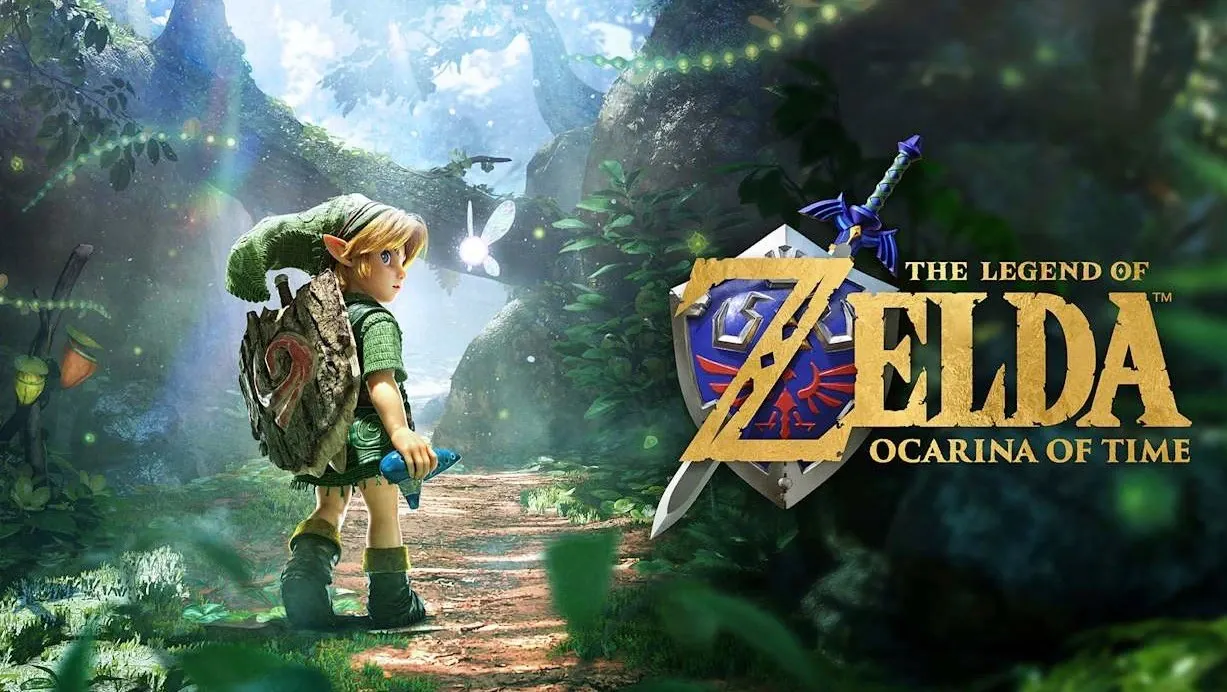
Nintendo has unveiled significant updates about the upcoming release of The Legend of Zelda: Ocarina of Time for the Nintendo Switch 2, sparking widespread discussion among fans. In a breakdown by RGT 85, the focus shifts to the game’s technical enhancements, including its ability to run at 1080p resolution and 60 FPS, making sure smooth gameplay and sharp visuals. These updates reflect a deliberate effort to modernize the classic while maintaining its nostalgic appeal. The inclusion of HDR and VRR support further underscores Nintendo’s commitment to adopting contemporary graphical standards, offering players a richer and more immersive experience.
Explore how these advancements shape the gameplay experience, from the proprietary upscaling techniques designed for the Switch 2 to the evolving art style that blends old and new design elements. Gain insight into the development process, including Monolith Soft’s rumored involvement and the implications of the game’s substantial 27 GB file size. Whether you’re curious about the technical choices or the creative direction, this explainer provides a detailed look at what to expect from one of 2026’s most anticipated releases.
Performance: Striking a Balance Between Resolution & Frame Rate
TL;DR Key Takeaways :
- Nintendo is reimagining The Legend of Zelda: Ocarina of Time for the Nintendo Switch 2, blending nostalgia with modern innovations to showcase the console’s capabilities.
- The game will run at 1080p and 60 FPS, with proprietary upscaling techniques instead of DLSS, though some fans have expressed concerns about the lack of higher resolution in docked mode.
- New features like HDR and VRR support will enhance visual depth, vibrancy and gameplay smoothness, marking a significant step forward for Nintendo’s graphical standards.
- The updated art style has sparked debate, as it balances the original’s classic aesthetic with modern design, dividing fans over whether it should have pushed boundaries further.
- As a flagship title for the Nintendo Switch 2’s 2026 lineup, Ocarina of Time is expected to set the tone for future Nintendo titles, combining technical advancements with nostalgic appeal.
The updated Ocarina of Time promises a smooth and consistent gaming experience, running at 1080p resolution and 60 frames per second (FPS). This performance standard aligns with modern gaming expectations, making sure fluid gameplay and sharp visuals. However, some fans have expressed concerns about the absence of a higher resolution in docked mode, especially given the enhanced hardware capabilities of the Nintendo Switch 2. While many contemporary games use DLSS (Deep Learning Super Sampling) to enhance visual fidelity without compromising performance, Nintendo has opted for proprietary upscaling techniques. Although the specifics of these methods remain undisclosed, they are likely tailored to maximize the potential of the Switch 2’s architecture, making sure an optimized experience for players.
Visual Enhancements: HDR and VRR Take Center Stage
For the first time in a Nintendo title, players will experience HDR (High Dynamic Range) and VRR (Variable Refresh Rate) support when playing in docked mode on compatible displays. HDR enhances the visual depth and vibrancy of Hyrule’s landscapes, delivering richer colors and improved contrast that bring the world to life. Meanwhile, VRR ensures smoother gameplay by dynamically adjusting the refresh rate to eliminate screen tearing and stuttering, providing a seamless experience during intense action sequences or exploration. These features represent a significant step forward for Nintendo, signaling a commitment to adopting modern graphical standards and elevating the overall visual experience for players.

Here is a selection of other guides from our extensive library of content you may find of interest on Nintendo Switch 2.
- Nintendo’s Zelda 40Th Edition Plans Leaked: Scheduled for April 2027
- Nintendo Switch 2 Price Increases to $500 on Sept 1st 2026: Worth Buying Now?
- PlayStation 6 & PS6 Portable: Early Rumors and Predictions
- Nintendo Switch 2 Durability: Will Your New Console Last?
- Sony PS6 Portable Leaks: Finally a REAL PSP Successor?
- RetroGem HDMI Mod Upscales Nintendo 64 for Modern Displays
- Nintendo Switch 2 Teardown: What’s Hiding Inside Nintendo’s New Console?
- Nintendo Switch 2: These 6 Leaks Will Blow Your Mind
- Nintendo Switch 2 Games Console Hacked
- Next Xbox and PlayStation 6 Coming in 2026 : Prices, Features & Rumors
Development: Using In-House Expertise
Nintendo has chosen to develop Ocarina of Time using an in-house or partner-supported engine rather than relying on widely used tools like Unreal Engine 5. This decision allows the development team to fine-tune the game specifically for the Nintendo Switch 2’s hardware, making sure optimal performance and quality. Monolith Soft, renowned for its work on Breath of the Wild and Tears of the Kingdom, is rumored to have played a significant role in the game’s development. The game’s file size, at 27 GB, is notably large for a Nintendo title, hinting at an abundance of content, high-resolution assets and a detailed world for players to explore. This approach reflects Nintendo’s dedication to crafting a polished and immersive experience tailored to its platform.
Art Style: A Community Divided
The updated art style of Ocarina of Time has sparked lively discussions within the gaming community. The new visuals aim to strike a balance between the classic aesthetic of the original and modern design sensibilities. While some fans appreciate this blend, viewing it as a respectful homage to the original game, others feel the art direction could have pushed the boundaries further, especially given the enhanced capabilities of the Switch 2. Comparisons to previous Zelda titles, such as the vibrant cel-shading of Wind Waker or the darker, more realistic tones of Twilight Princess, highlight the diverse preferences among fans. This debate underscores the challenges of reimagining a beloved classic while meeting the expectations of a modern audience, showcasing the delicate balance Nintendo must maintain.
A Key Player in the 2026 Gaming Lineup
As a flagship title for the Nintendo Switch 2, Ocarina of Time is poised to play a pivotal role in the console’s 2026 lineup. Alongside other major releases such as Fire Emblem and Switch Sports Resort, this game will serve as a showcase for the new hardware’s capabilities. Its combination of technical advancements, nostalgic appeal and gameplay innovations positions it as a must-play title for both dedicated fans of the series and newcomers. The success of Ocarina of Time could also set the tone for future Nintendo titles on the platform, influencing the direction of the company’s development strategies and its approach to reimagining classic games for modern audiences.
Nintendo’s updates on The Legend of Zelda: Ocarina of Time highlight a careful balance between preserving the charm of the original and embracing modern gaming advancements. With features like HDR, VRR and a consistent 60 FPS, the game promises a visually stunning and smooth experience. However, debates over resolution, art style and the absence of DLSS reflect the high expectations surrounding this release. As the gaming community eagerly anticipates its launch, Ocarina of Time stands as a testament to Nintendo’s dedication to innovation and its enduring influence in the gaming industry.
Media Credit: RGT 85
Disclosure: Some of our articles include affiliate links. If you buy something through one of these links, Geeky Gadgets may earn an affiliate commission. Learn about our Disclosure Policy.
