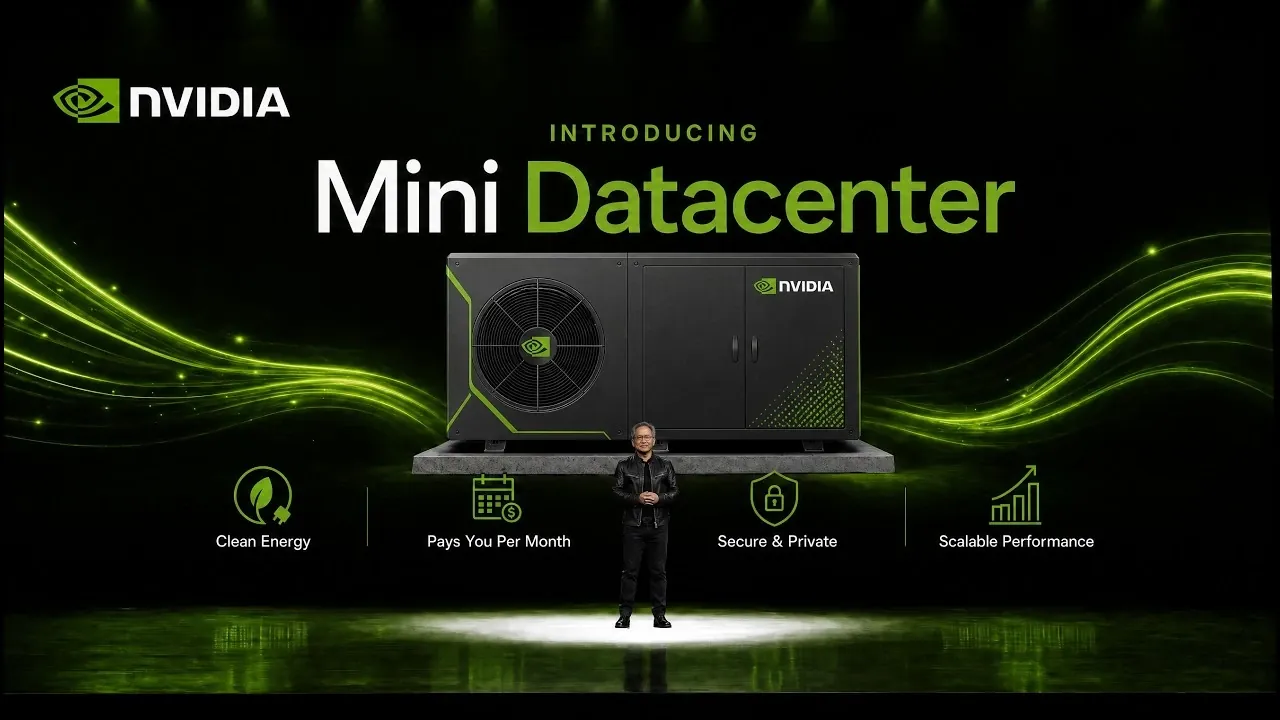
NVIDIA is introducing a decentralized approach to AI infrastructure through its new mini data centers, designed for residential and small business properties. At the heart of this initiative are XFRA nodes, compact computing units equipped with 16 NVIDIA GPUs, AMD processors and 3TB of memory, all optimized for demanding AI workloads. These nodes integrate seamlessly into homes, using underutilized electricity and advanced energy management systems provided by partners like Span. AI Grid highlights how this model not only supports AI companies by creating a distributed cloud network but also offers homeowners financial benefits, such as reduced utility costs and backup power capabilities, without requiring upfront investments.
Explore how this initiative addresses critical challenges in the AI industry, from mitigating grid strain to overcoming public resistance to large data centers. Gain insight into NVIDIA’s strategic partnerships with Span and Pulte Group, which are allowing the rollout of this technology in 100 homes across the southwestern U.S. Additionally, understand the potential hurdles, such as scalability and security risks, that could impact the long-term success of this model. This analysis provides a comprehensive look at how NVIDIA’s decentralized approach could shape the future of AI infrastructure while balancing sustainability and community integration.
What Are XFRA Nodes?
TL;DR Key Takeaways :
- NVIDIA is pioneering decentralized mini data centers, called XFRA nodes, designed for residential and small business properties to optimize underused electricity for AI computing.
- Each XFRA node features 16 NVIDIA GPUs, AMD processors, 3TB of memory and a liquid-cooled, fanless system for quiet and energy-efficient operation.
- Strategic partnerships with Span (smart electrical panels) and Pulte Group (homebuilder) enable seamless integration of these nodes into homes, with a pilot program launching in 100 homes in the southwestern U.S.
- Homeowners benefit from reduced utility costs, backup power, solar optimization and no upfront costs, transforming their properties into energy-efficient, revenue-generating assets.
- Key challenges include scalability, security risks and public acceptance, which NVIDIA must address to ensure the long-term success of this decentralized AI infrastructure model.
Central to NVIDIA’s initiative are XFRA nodes, compact yet powerful computing units engineered for residential environments. Each node is equipped with:
- 16 NVIDIA GPUs: Designed to handle demanding AI workloads efficiently.
- AMD processors: Providing robust computational power.
- 3TB of memory: Making sure high-speed data processing and storage capacity.
These nodes are designed with a liquid-cooled, fanless system that ensures quiet operation and effective thermal management, making them suitable for integration into homes. Installed alongside smart electrical panels, backup batteries and, in some cases, solar panels, these units seamlessly blend into residential infrastructure.
The liquid cooling system not only enhances energy efficiency but also reduces the environmental footprint of AI computing. By tapping into underutilized residential electricity, NVIDIA envisions a distributed cloud network that supports AI companies while minimizing energy waste. This decentralized approach could redefine how computing power is generated and consumed, offering a more sustainable alternative to traditional data centers.
Strategic Partnerships Powering the Initiative
NVIDIA’s ambitious project is being driven by strategic collaborations with key industry players:
- Span: A smart electrical panel provider that optimizes energy usage and manages the power needs of XFRA nodes. Span’s technology ensures efficient energy distribution, making the system more reliable and cost-effective.
- Pulte Group: A major homebuilder facilitating the installation of XFRA nodes in newly constructed homes. This partnership ensures the seamless integration of the technology into modern residential designs.
The pilot program is set to launch in 100 homes across southwestern U.S. states, regions known for their high energy demands and widespread adoption of solar technology. NVIDIA plans to scale this initiative to tens of thousands of units by 2027, creating a decentralized cloud network capable of supporting large-scale AI infrastructure. This expansion could significantly accelerate the deployment of AI technologies while reducing reliance on traditional, centralized data centers.

Unlock more potential in NVIDIA by reading previous articles we have written.
- NVIDIA Launches New AI Model Focused on Maximum Efficiency
- NVIDIA DLSS 5 Adds Real-Time Neural Lighting to Games Raising New Questions
- NVIDIA Unveils NemoClaw at GTC 2026 : Pairs Neotron Local Models with OpenShell
- How NVIDIA Packed an RTX 5070 and 128GB of RAM Into a 14Mm Laptop
- NVIDIA NemoClaw Adds Enterprise Security Tools to OpenClaw Agents
- NVIDIA Neatron 3 Super & Nemoclaw Target Safer AI Agents at Scale
- NemoClaw Review: Strong Security Design, Rough Setup Experience
- NVIDIA’s New 30B Nemotron Model Tested : Mixture of Experts (MoE)
- NVIDIA DLSS 5 Backlash Grows over AI Lighting Changes in Games
- DLSS 5 Neural Rendering Explained : How NVIDIA Changes Games
How Homeowners Benefit
NVIDIA’s decentralized model offers a range of tangible benefits for homeowners, transforming their properties into energy-efficient, revenue-generating assets:
- Reduced utility costs: Homeowners benefit from lower electricity and internet bills, as Span covers these expenses in exchange for a flat monthly fee.
- Backup power: The system includes energy resilience features, providing reliable power during outages and enhancing overall energy security.
- Solar optimization: Homes equipped with solar panels can store and use excess energy more effectively, further reducing energy costs and improving sustainability.
- No upfront costs: The hardware is provided at no initial expense to homeowners, making the program accessible to a wider audience and lowering barriers to entry.
This innovative setup not only reduces household expenses but also aligns with broader sustainability goals by optimizing energy usage and reducing waste. For homeowners, the program represents a unique opportunity to contribute to the growth of AI infrastructure while enjoying financial and energy-related benefits.
Addressing AI Industry Challenges
NVIDIA’s decentralized approach directly addresses several pressing challenges faced by the AI industry:
- Public resistance to traditional data centers: Large, centralized facilities often face opposition due to their size, energy consumption and environmental impact. Distributed nodes mitigate these concerns by integrating discreetly into residential areas.
- Grid strain: By using underused residential electricity capacity, the initiative helps alleviate the growing strain on power grids caused by the increasing energy demands of AI computing.
- Faster deployment: Decentralized infrastructure enables AI companies to scale operations more rapidly and cost-effectively compared to building large, centralized data centers.
By addressing these challenges, NVIDIA’s model has the potential to accelerate the adoption of AI technologies while reducing their environmental and social footprint. This approach could pave the way for a more sustainable and community-friendly AI infrastructure.
Challenges and Concerns
Despite its potential, the decentralized model is not without its challenges. Several critical issues must be addressed to ensure the success and long-term viability of the initiative:
- Scalability: While distributed nodes offer flexibility, they may not match the efficiency of centralized data centers for certain AI tasks. Managing thousands of units across diverse locations introduces logistical complexities and higher maintenance costs.
- Security risks: The external placement of high-value hardware increases vulnerability to theft, tampering and other security threats. Additionally, liability concerns, such as fire risks or potential impacts on property resale value, must be carefully managed.
- Public acceptance: Privacy concerns, aesthetic disruptions and skepticism about the long-term feasibility of the model could hinder adoption. NVIDIA and its partners will need to engage with communities to build trust and address these concerns effectively.
Overcoming these challenges will be essential for NVIDIA and its partners as they work to establish decentralized mini data centers as a viable alternative to traditional AI infrastructure.
The Road Ahead
NVIDIA’s decentralized AI data center model represents a bold step toward reshaping how computing power is distributed and utilized. By using residential infrastructure, the initiative has the potential to provide widespread access to access to AI technology, reduce the environmental impact of traditional data centers and offer financial incentives to homeowners.
However, the success of this approach will depend on addressing key challenges related to scalability, security and public acceptance. As the pilot program progresses, it will serve as a critical test for the feasibility and long-term viability of decentralized AI infrastructure. If successful, NVIDIA’s model could mark the beginning of a new era in AI computing, one that prioritizes sustainability, efficiency and community integration.
Media Credit: TheAIGRID
Disclosure: Some of our articles include affiliate links. If you buy something through one of these links, Geeky Gadgets may earn an affiliate commission. Learn about our Disclosure Policy.
