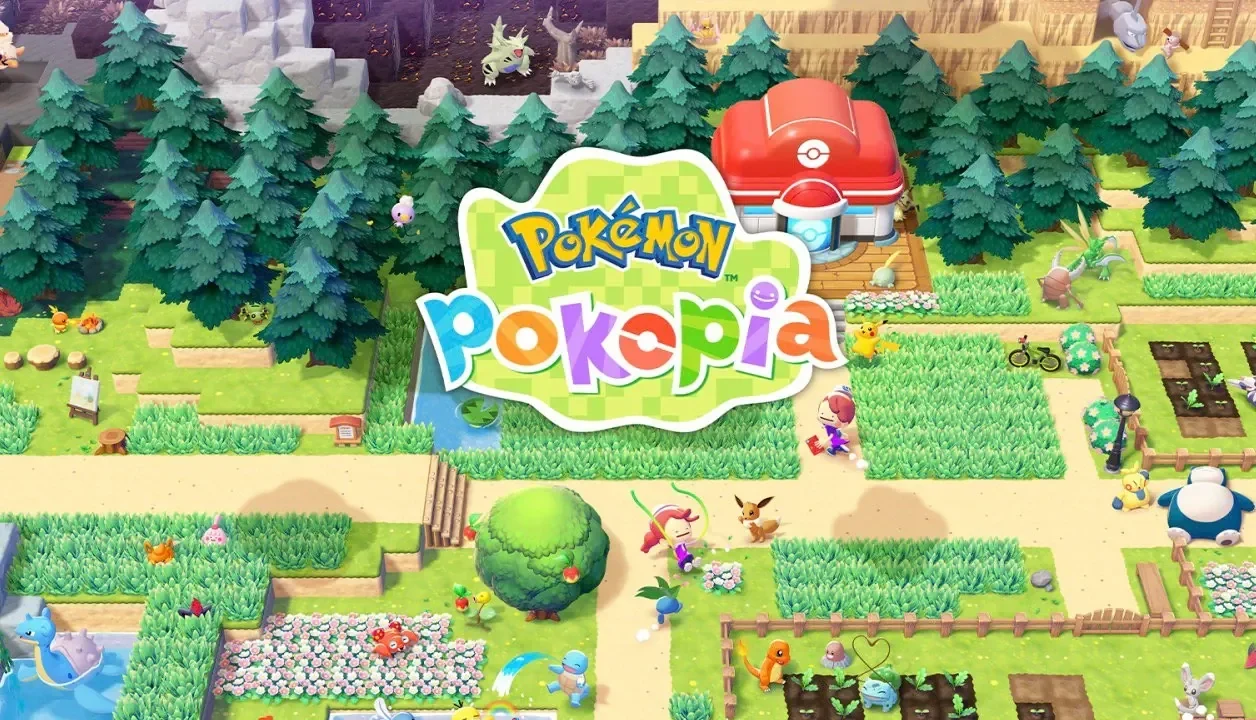
Nintendo’s recent success with Pokémon Pokopia, an exclusive title for the Nintendo Switch 2, has sparked significant discussion about the evolving gaming landscape. In just four days, the game sold an impressive 2.2 million copies, defying expectations for a niche “cozy game” and challenging the traditional idea of what constitutes a system seller. As highlighted by RGT 85, this achievement underscores Nintendo’s ability to adapt and thrive by embracing unconventional titles that appeal to broader audiences. Pokopia’s approachable gameplay and whimsical design have not only driven hardware sales but also contributed to a noticeable rise in Nintendo’s stock value, signaling investor confidence in this strategic shift.
In this guide, you’ll explore how Pokémon Pokopia reflects the growing demand for low-pressure, creativity-focused gaming experiences and why this trend matters for both casual and dedicated players. You’ll also gain insight into how Nintendo’s evolving approach to game development is reshaping the industry, from the balance between physical and digital distribution to the increasing popularity of niche genres. Whether you’re curious about what this means for future releases or how it might influence your gaming habits, this breakdown offers a closer look at the broader implications of Nintendo’s latest success.
Nintendo’s Bold Gaming Shift
TL;DR Key Takeaways :
- Pokémon Pokopia, an exclusive title for the Nintendo Switch 2, sold 2.2 million copies in just four days, redefining the concept of a “system seller” and highlighting the growing appeal of niche genres like “cozy games.”
- The game’s success reflects a shift in consumer preferences toward relaxing, creative and low-pressure gameplay, making gaming more accessible to casual players and newcomers.
- Nintendo’s evolving strategy focuses on innovative game design and expanding its audience by investing in unconventional titles, moving beyond reliance on blockbuster franchises like Mario and Zelda.
- The rapid sellout of Pokopia highlights the growing dominance of digital distribution in gaming, while raising questions about the future of physical media and balancing availability.
- Pokopia’s success signals broader industry implications, encouraging developers to explore niche genres and creative concepts, while reinforcing Nintendo’s position as a leader in innovation and adaptability.
By embracing a fresh approach, Nintendo has not only expanded its audience but also set a new benchmark for success in the gaming world. For you as a gamer, this signals a shift toward more diverse and inclusive gaming experiences that cater to a broader range of preferences.
Pokopia: Redefining the Rules of Success
Historically, Nintendo’s most successful consoles have been closely tied to blockbuster franchises such as The Legend of Zelda and Super Mario. However, Pokopia has rewritten the narrative. Despite lacking the iconic status of Pokémon or Mario, this charming, Pokémon-inspired title has captivated players with its approachable gameplay and whimsical design. Its success has not only driven sales of the Nintendo Switch 2 but also contributed to a significant rise in Nintendo’s stock value, reflecting investor confidence in the company’s evolving strategy.
The game’s appeal lies in its alignment with the growing “cozy games” trend. This genre emphasizes relaxation, creativity and low-pressure gameplay, offering an alternative to the intense action or competitive nature of many traditional games. For you, this means access to games that prioritize enjoyment and creativity, making gaming more accessible to casual players and newcomers alike.
The success of Pokopia also highlights a shift in consumer preferences. Players are increasingly drawn to experiences that allow them to unwind and express themselves, rather than focusing solely on high-stakes challenges. This trend is reshaping the gaming landscape, creating opportunities for developers to explore innovative concepts and cater to a more diverse audience.
Consumer Trends and Market Dynamics
The rapid success of Pokopia underscores the importance of understanding and adapting to evolving consumer trends. Initially released in limited physical quantities, the game quickly sold out, creating a surge in demand that was met by strong digital sales. This reflects a broader industry trend toward digital distribution, which has been gaining momentum over the past decade.
For you as a gamer, this shift offers both opportunities and challenges. On one hand, digital distribution provides greater accessibility and convenience, allowing you to purchase and play games instantly. On the other hand, the scarcity of physical copies for high-demand titles like Pokopia highlights the challenges of balancing physical and digital availability. The rapid sellout of physical game cards serves as a reminder of how quickly demand can outpace supply, particularly for unexpected hits.
This trend also raises questions about the future of physical media in gaming. As digital platforms become the dominant model, developers and publishers will need to find innovative ways to meet the needs of gamers who still value physical copies. For you, this could mean adapting to a landscape where digital options are increasingly prioritized, while physical editions may become collector’s items or limited releases.

Here are additional guides from our expansive article library that you may find useful on Nintendo Switch 2.
- Nintendo Switch 2 Review After Six Months of Play
- Nintendo Switch 2 Variants: Budget or OLED Hints from OSM
- Nintendo Switch 2 SECRETS! 15 Things You DIDN’T See!
- How to Unlock the Full Potential of Your Nintendo Switch 2
- MASSIVE Switch 2 Leak: Games You WON’T BELIEVE!
- How the Nintendo Switch 2 Redefines Portable Gaming
- Nintendo Switch 2 Durability Test
- Nintendo Switch 2: 5 Upgrades That CHANGE EVERYTHING
- Nintendo Switch 2: Features, Performance and More
- Nintendo Switch 2 Games Console Hacked
Nintendo’s Strategic Evolution
Nintendo’s approach to game development is undergoing a noticeable transformation. Traditionally reliant on flagship franchises like Mario and Zelda, the company is now demonstrating a willingness to invest in unconventional titles with mass-market appeal. The success of Pokémon Pokopia suggests that Nintendo is exploring new ways to attract a wider audience, including those who may not typically consider themselves gamers.
This strategic shift has significant implications for the gaming industry. By using innovative game design and tapping into niche genres, Nintendo is redefining what it means for a game to be a “system seller.” Instead of relying solely on blockbuster releases, the company is expanding its library to include games that cater to a variety of interests and playstyles. For you, this means a more diverse selection of games, offering something for everyone, from casual players to dedicated enthusiasts.
The success of Pokopia also highlights Nintendo’s ability to anticipate and respond to changing consumer preferences. By embracing emerging trends and experimenting with new ideas, the company is positioning itself as a leader in innovation and creativity. For developers and publishers, this serves as a powerful reminder of the importance of taking risks and exploring uncharted territory in game design.
Broader Implications for the Gaming Industry
The impact of Pokopia extends far beyond Nintendo. Its success challenges the long-held belief that only traditional, high-budget franchises can achieve widespread appeal. For third-party developers, this opens the door to exploring niche genres and creative concepts without the pressure of competing directly with established franchises.
From an investment perspective, Pokopia’s performance has reinforced confidence in Nintendo’s ability to adapt to shifting market dynamics. This adaptability is crucial in an industry where trends can change rapidly and success often depends on delivering fresh, engaging content. For developers, the game’s success serves as a signal to innovate and take risks, knowing that audiences are increasingly open to diverse gaming experiences.
Looking ahead, the gaming industry may see a greater emphasis on variety and experimentation. As companies like Nintendo continue to push boundaries, you can expect to see more unique and unconventional games that challenge traditional expectations and redefine what gaming can be.
The Path Forward
The success of Pokémon Pokopia marks a turning point for Nintendo and the gaming industry as a whole. By embracing innovative game design and tapping into emerging consumer trends, Nintendo has demonstrated that system sellers don’t always need to come from established franchises. For you as a gamer, this shift promises a more inclusive and diverse gaming landscape, where unconventional titles can achieve mainstream success.
As the industry continues to evolve, developers and publishers will need to strike a balance between physical and digital distribution to meet consumer demand. For gamers who value physical copies, this could mean adapting to a world where digital options are increasingly the norm. At the same time, the growing popularity of niche genres like “cozy games” suggests that the future of gaming will be defined by creativity, inclusivity and a willingness to explore new ideas.
Ultimately, the success of Pokémon Pokopia serves as a powerful reminder of the potential for innovation and diversity in gaming. As Nintendo and other industry leaders continue to push boundaries, you can look forward to a future filled with exciting and unexpected gaming experiences.
Media Credit: RGT 85
Disclosure: Some of our articles include affiliate links. If you buy something through one of these links, Geeky Gadgets may earn an affiliate commission. Learn about our Disclosure Policy.
