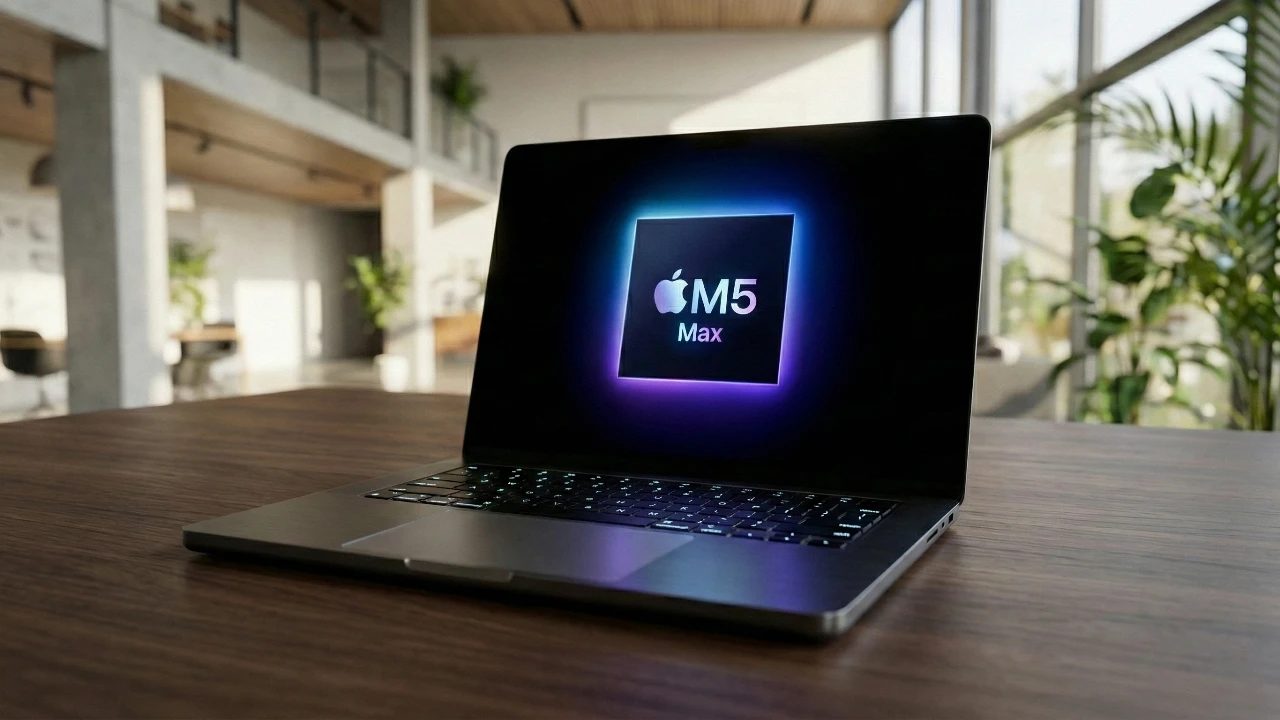
Apple’s highly anticipated M5 Pro and M5 Max MacBook Pro models, rumored for a January 2026 release, have yet to materialize. This absence has sparked widespread speculation about the company’s production strategies and the broader challenges facing the tech industry. Despite historical trends and insider predictions pointing to their arrival, the delay raises questions about whether these advanced MacBook Pros will debut in the near future—or at all. Factors such as supply chain disruptions and shifting market priorities may be influencing this unexpected turn of events, leaving you to wonder what lies ahead for Apple’s flagship laptops. The video below from Matt Talks Tech gives us more details on when to expect the new MacBook Pro Models.

What Fueled the Anticipation?
The buzz surrounding the M5 Pro and M5 Max MacBook Pros was not without reason. Several indicators leading up to January 2026 suggested their imminent release:
- Apple’s history of January launches: The company has a track record of unveiling new products early in the year, such as the M2 MacBook Pro in January 2023.
- Hints in macOS beta code: References to new hardware in macOS 26.2 and 26.3 beta versions fueled speculation about upcoming MacBook Pro models.
- Inventory adjustments: Delays in shipping customized M4 MacBook Pro models hinted that Apple might be clearing stock to make room for the M5 series.
These factors created a compelling narrative that the M5 Pro and M5 Max were on the horizon. However, as January 2026 comes to a close, their absence has left the tech community reassessing the situation and questioning Apple’s next steps.
Why a January Launch Seemed Likely
Several developments appeared to align with a January 2026 release, reinforcing expectations for the M5 Pro and M5 Max:
- Creator Studio app bundle: Apple recently introduced a new suite of professional tools, including Final Cut Pro and Logic Pro, which seemed strategically timed to complement powerful new hardware.
- Production delays for existing models: Reports of slowed production for current MacBook Pro models suggested Apple was preparing to transition to the M5 series.
These signs pointed to a significant hardware announcement early in the year. Yet, despite the buildup, the M5 Pro and M5 Max remain conspicuously absent, leaving analysts and consumers alike to speculate about the reasons behind the delay.
What Could Be Causing the Delay?
The delay in launching the M5 Pro and M5 Max MacBook Pros may stem from a combination of industry-wide challenges and internal strategic decisions. Key factors include:
- Global RAM shortage: A surge in demand for high-performance RAM, driven by the rapid growth of AI server components, has strained supply chains. This shortage could be delaying Apple’s ability to produce the advanced hardware required for the M5 series.
- Shifting corporate priorities: Apple may have adjusted its product roadmap, focusing on other devices or innovations that align more closely with current market trends and consumer demands.
These challenges highlight the complex dynamics of the tech industry, where external pressures and internal strategies often intersect to influence product release schedules.
What’s Next for Apple?
While the M5 Pro and M5 Max remain elusive, Apple is likely exploring alternative strategies to maintain its competitive edge in 2026. Potential developments include:
- Updated MacBook Air models: Rumors suggest that new MacBook Airs featuring the M5 chip could launch soon, offering a glimpse into Apple’s next-generation hardware.
- OLED MacBook Pros: Reports indicate that Apple is already producing OLED MacBook Pro models, which could debut before the M5 Pro and M5 Max.
- Skipping the M5 series: Apple may choose to bypass the M5 Pro and M5 Max entirely, focusing instead on other innovations to stay ahead in the competitive tech landscape.
These possibilities demonstrate Apple’s commitment to adapting its product lineup to meet evolving consumer expectations and industry challenges.
Clues from macOS Beta Code
References in macOS 26.2 and 26.3 beta versions provide additional insights into Apple’s ongoing development efforts. Mentions of new MacBook Air and MacBook Pro models suggest that the company is actively working on its next hardware releases. However, the lack of a clear timeline for these products leaves room for speculation. Whether these updates hint at the eventual arrival of the M5 Pro and M5 Max or entirely different devices remains uncertain.
The Unpredictable Nature of Tech Launches
The delay of the M5 Pro and M5 Max MacBook Pros underscores the inherent unpredictability of product launches in the tech industry. Supply chain disruptions, shifting corporate priorities, and changing market demands all play a role in shaping release schedules.
Although the January 2026 launch did not occur as anticipated, there is still potential for these models to debut later in the year. Whether Apple prioritizes updated MacBook Air models, OLED MacBook Pros, or entirely new innovations, the coming months will reveal the company’s evolving strategy.
What to Expect Moving Forward
As Apple navigates these challenges, you can expect the company to continue refining its hardware and software offerings. Whether through the eventual release of the M5 Pro and M5 Max or the introduction of other new products, Apple remains focused on delivering devices that meet the high standards you’ve come to associate with the brand. The tech landscape in 2026 promises to be dynamic, and Apple’s next moves will undoubtedly shape the industry’s trajectory.
Here is a selection of other guides from our extensive library of content you may find of interest on M5 Pro MacBook Pro.
- Apple’s M5 Pro and M5 Max MacBook Pros Will Blow Your Mind
- Why the M5 MacBook Pro Makes Future-Proofing a Reality
- NEW MacBook Pro M5 Pro & M5 Max LEAKS REVEALED
- MacBook Pro M5 Pro Release Date, Specs, and Pricing Details
- M5 vs. M4 Pro MacBook Pro: Detailed Comparison
Source: Matt Talks Tech
Disclosure: Some of our articles include affiliate links. If you buy something through one of these links, Geeky Gadgets may earn an affiliate commission. Learn about our Disclosure Policy.
