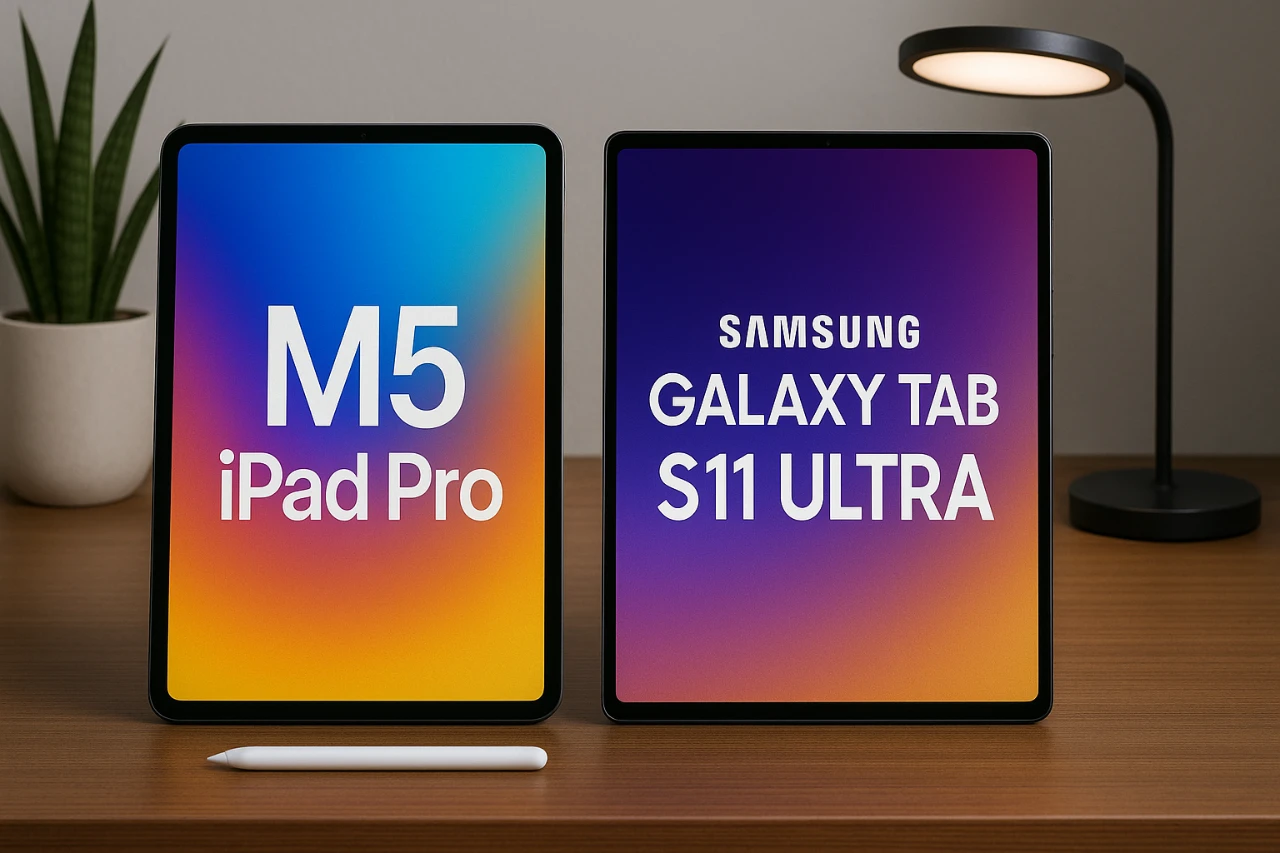
The M5 iPad Pro and Samsung Galaxy Tab S11 Ultra represent the pinnacle of modern tablet technology, each designed to meet distinct user needs. The iPad Pro excels in delivering unparalleled performance and a robust app ecosystem, making it a favorite among creative professionals and power users. On the other hand, the Tab S11 Ultra offers versatility and affordability, appealing to those who value hardware flexibility and cost-effective features. Choosing between these two devices ultimately depends on your priorities, such as ecosystem compatibility, hardware preferences, and the specific tasks you intend to perform. The detailed video below from MacRumors compares the two devices side by side.
Display Technology: A Battle of Brilliance
Both tablets showcase innovative display technology, but their approaches cater to different user preferences. The Samsung Galaxy Tab S11 Ultra features a 14.6-inch Dynamic AMOLED display, offering vibrant colors, deep contrast, and an anti-reflective coating that enhances visibility in bright environments. This expansive screen is ideal for users who prioritize immersive visuals, whether for media consumption or multitasking.
In contrast, the iPad Pro features a high-quality OLED display with exceptional color accuracy and clarity, making it a top choice for creative professionals. While Apple offers an optional nano-texture anti-reflective coating, this feature comes at an additional cost. If a larger, immersive screen with built-in enhancements is your priority, the Tab S11 Ultra takes the lead. However, the iPad Pro’s display remains a strong contender, particularly for tasks requiring precise color reproduction.
Hardware and Build: Rugged vs. Refined
The hardware and build quality of these tablets reflect their distinct design philosophies. The Tab S11 Ultra impresses with its slim profile, larger screen, and IP68-rated durability, making it resistant to water and dust. This rugged design is ideal for users who need a tablet that can withstand tougher environments, such as outdoor work or travel.
The iPad Pro, on the other hand, emphasizes premium craftsmanship with its sleek aluminum chassis and meticulous attention to detail. Its refined design appeals to users who value aesthetics and a polished finish. Both devices are built to last, but your choice may hinge on whether you prioritize durability or a more sophisticated design.
Storage and Expandability: Flexibility vs. Speed
Storage options differ significantly between the two devices, catering to varying user needs. The Tab S11 Ultra offers up to 16GB of RAM, 1TB of internal storage, and expandable microSD storage of up to 2TB. This makes it an excellent choice for users who require extensive on-device storage for large files, media libraries, or creative projects.
In contrast, the iPad Pro lacks expandable internal storage but compensates with high-speed external storage support via Thunderbolt. This feature enables faster data transfer for external drives, which is particularly beneficial for professionals handling large files. If flexibility and on-device storage are critical, the Tab S11 Ultra is the clear winner. However, the iPad Pro’s Thunderbolt support may appeal to users who prioritize speed and external storage solutions.
Stylus and Accessories: Cost vs. Integration
The stylus and accessory ecosystems of these tablets highlight their differing approaches to user experience. Samsung includes the S Pen with the Tab S11 Ultra at no extra cost, offering improved functionality and precision. This inclusion provides excellent value for users who rely on a stylus for note-taking, drawing, or productivity tasks.
In comparison, the iPad Pro requires a separate purchase for the Apple Pencil, which integrates seamlessly into the Apple ecosystem. Additionally, the iPad Pro’s Magic Keyboard offers a superior typing experience with a built-in trackpad, enhancing its usability for professional tasks. Samsung’s keyboard, while functional, lacks a trackpad and falls short in terms of ergonomics. If cost-effectiveness is a priority, the Tab S11 Ultra stands out. However, for those seeking seamless integration and premium accessories, the iPad Pro is the better choice.
Software and Multitasking: Versatility vs. Optimization
The software capabilities of these tablets reflect their respective strengths in multitasking and app optimization. Samsung’s DeX mode transforms the Tab S11 Ultra into a desktop-like experience, allowing advanced multitasking and productivity. This feature is particularly useful for tasks such as document editing, presentations, or managing multiple apps simultaneously.
Meanwhile, iPadOS has made significant strides in multitasking but remains less adaptable compared to DeX mode. However, the iPad Pro excels in app optimization, offering a wide range of professional tools tailored for creative and productivity-focused users. If versatility and multitasking are critical to your workflow, the Tab S11 Ultra offers greater flexibility. Conversely, the iPad Pro’s software is better suited for users who rely on specialized, high-performance apps.
Performance and App Ecosystem: Raw Power vs. Versatility
The iPad Pro’s M5 chip delivers industry-leading performance, making it a powerhouse for demanding tasks such as video editing, 3D rendering, and professional-grade apps like Final Cut Pro and Procreate. Its app ecosystem is unmatched, offering a vast selection of optimized tools for creative and professional use.
The Tab S11 Ultra, while powerful, prioritizes versatility over raw performance. Its hardware is sufficient for most users, but the Android tablet ecosystem still lags behind iPadOS in terms of app availability and optimization. If professional-grade apps and top-tier performance are essential, the iPad Pro is the superior choice. For users who value flexibility and general usability, the Tab S11 Ultra remains a strong contender.
AI Features: Smarter Tools for Everyday Use
Samsung leads in AI-driven features, offering tools such as on-device translations, contextual information retrieval, and enhanced multitasking capabilities. These features are particularly beneficial for users who rely on AI to streamline their workflows and improve productivity.
The iPad Pro integrates AI into its ecosystem, but its capabilities are more limited compared to Samsung’s offerings. While Apple’s AI tools are effective for specific tasks, they lack the breadth and versatility of Samsung’s suite. If advanced AI features are a priority, the Tab S11 Ultra provides a more comprehensive set of tools.
Battery and Charging: Power That Lasts
Battery life and charging capabilities are critical factors for users who need a reliable device throughout the day. The Tab S11 Ultra features a larger 11,600mAh battery and supports 45W fast charging, ensuring extended use and quicker recharge times. This makes it an excellent choice for users with demanding schedules or frequent travel needs.
The iPad Pro, while offering slightly less battery capacity, still provides adequate endurance for most tasks. However, its slower charging speed may be a drawback for users who value quick recharges. If battery life and fast charging are key considerations, the Tab S11 Ultra stands out as the more practical option.
Choosing the Right Tablet for Your Needs
The M5 iPad Pro and Samsung Galaxy Tab S11 Ultra cater to distinct user needs, making the choice highly dependent on your priorities. The iPad Pro is ideal for those seeking top-tier performance, professional app support, and seamless accessory integration within the Apple ecosystem. Its unmatched power and app optimization make it a favorite among creative professionals and power users.
Meanwhile, the Tab S11 Ultra appeals to users who prioritize versatility, affordability, and hardware features such as expandable storage and a larger display. By carefully evaluating your specific requirements—whether for productivity, creative work, or general use—you can determine which tablet aligns best with your lifestyle and preferences.
Master AMOLED Displays with the help of our in-depth articles and helpful guides.
- AMOLED vs OLED vs POLED Display Differences
- CMF Phone 2 Pro: AMOLED Display and More for $279
- Oppo F15 smartphone comes with Helio P70 and 6.4 inch AMOLED
- Apple Watch To Feature AMOLED Display Made By LG
- Mobile Phone News – Page 112 of 1759
Source & Image Credit: MacRumors
Disclosure: Some of our articles include affiliate links. If you buy something through one of these links, Geeky Gadgets may earn an affiliate commission. Learn about our Disclosure Policy.
