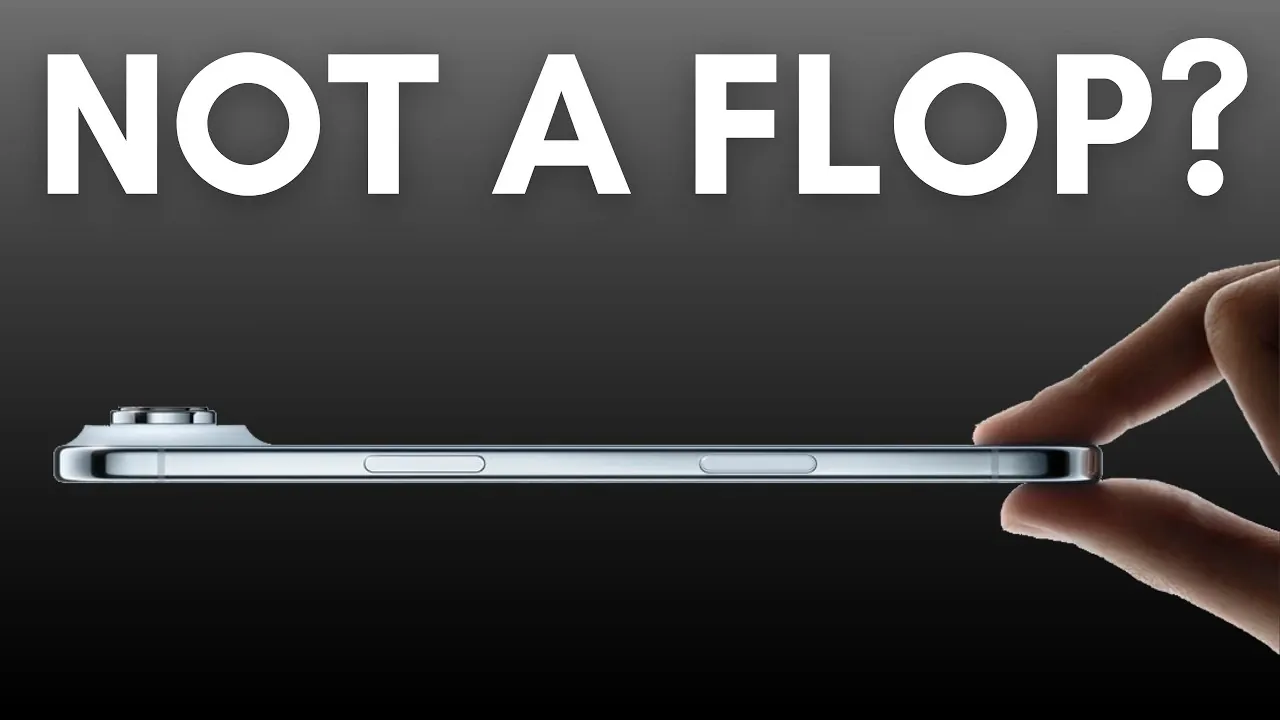
The iPhone Air, introduced as part of the iPhone 17 series, has emerged as a noteworthy addition to Apple’s lineup, defying initial skepticism with its strong adoption rates. Despite concerns about its feature set and market positioning, the device has managed to carve out a distinct niche, outperforming its predecessor, the iPhone 16 Plus, in early usage metrics. However, its long-term success hinges on addressing critical shortcomings and solidifying its role within Apple’s broader product strategy. The video below from SaranByte gives us more details about the popularity of the iPhone Air.

Strong Launch Performance
The iPhone Air has demonstrated an impressive debut, capturing 6.8% of iPhone 17 series usage in the U.S. during its launch window. This marks a significant improvement over the iPhone 16 Plus, which only achieved 2.9% in the same timeframe. These figures suggest that the Air’s sleek design and adjusted pricing have resonated with consumers, particularly those seeking a balance between affordability and aesthetics. However, early adoption metrics can sometimes be misleading, as they may include temporary users or returns. Sustained popularity will depend on whether the Air can maintain its appeal beyond the initial excitement of its release.
Distinct Market Positioning
The iPhone Air’s defining characteristic is its ultra-thin design, which appeals to users who prioritize portability and aesthetics over advanced functionality. This focus on form sets it apart from the rest of the iPhone 17 lineup, offering a unique option for consumers who value design above all else. However, its value proposition becomes less clear when compared to the base iPhone 17, which provides a more balanced feature set at a slightly higher price point. Apple’s decision to price the Air below the base model adds complexity to its positioning. While this makes the Air an attractive option for budget-conscious buyers, it also risks cannibalizing sales of other models, particularly the base iPhone 17.
Ripple Effects on Other Models
The introduction of the iPhone Air has had a noticeable impact on the sales dynamics within the iPhone 17 series. For instance, the iPhone 17 Pro experienced a decline in its share, dropping from 34.9% to 30.6%, as some buyers opted for the Air’s sleeker design over the Pro’s advanced features. Meanwhile, the Pro Max continues to dominate, with over 55% of buyers choosing this premium model, underscoring its stronghold among high-end users. These trends highlight the Air’s niche appeal while reaffirming the Pro Max’s position as the flagship choice for those seeking top-tier performance and features.
Pricing as a Strategic Lever
Apple’s pricing strategy has played a pivotal role in the iPhone Air’s early success. By positioning it as a more affordable alternative to the base iPhone 17, Apple has effectively tapped into a segment of consumers who prioritize affordability without compromising on design. This approach positions the Air as a potential successor to discontinued models like the Plus and mini, filling a gap in Apple’s lineup. However, this strategy also raises questions about the Air’s long-term role within the product range. If the Air continues to attract buyers from other models, Apple may need to reconsider its pricing structure to ensure a balanced and sustainable lineup.
Technical Innovations and Limitations
The iPhone Air introduces Apple’s in-house C1X modem, a significant step toward reducing reliance on third-party suppliers like Qualcomm. The C1X delivers competitive performance in terms of download speeds and latency, showcasing Apple’s growing expertise in modem technology. However, it falls short in upload speeds, where Qualcomm still holds an advantage. This highlights an area for improvement in future iterations. Beyond the modem, the Air’s technical compromises, such as limited battery life, the absence of an ultrawide camera, and reliance on a single speaker—detract from its overall appeal. While these trade-offs are understandable given the Air’s focus on design and affordability, they may limit its attractiveness to users seeking a more well-rounded device.
Challenges and Future Outlook
Despite its promising start, the iPhone Air faces several challenges that could impact its long-term success. Its limited feature set may not satisfy users who expect a more comprehensive device, especially as competitors continue to innovate. Addressing these shortcomings in future models, such as improving battery life, adding an ultrawide camera and enhancing audio capabilities, could broaden the Air’s appeal and solidify its place in Apple’s lineup. Additionally, Apple must work to clarify the Air’s role within its product range to avoid confusion among consumers and ensure its relevance in an increasingly competitive market.
The iPhone Air’s success also depends on how well Apple can adapt to shifting consumer preferences. As the smartphone market evolves, the demand for devices that balance design, functionality and affordability will likely grow. By addressing the Air’s current limitations and refining its positioning, Apple has the opportunity to establish the Air as a lasting and valuable part of its product lineup.
Unlock more potential in iPhone Air by reading previous articles we have written.
- iPhone Air 2: Price, Ultra-Thin Titanium Design and 2026 Leaks
- iPhone Air 2 Leak: New Battery Tech and Specs Revealed
- iPhone Air 2 (2026) Leaks: Battery Fix, Dual Cameras & Price
- iPhone Air 2: Is This Apple’s Most Perfect Design Ever?
- iPhone Air 2: Why Apple’s Riskiest Model Could Replace the “Plus”
Source & Image Credit: SaranByte
Disclosure: Some of our articles include affiliate links. If you buy something through one of these links, Geeky Gadgets may earn an affiliate commission. Learn about our Disclosure Policy.
