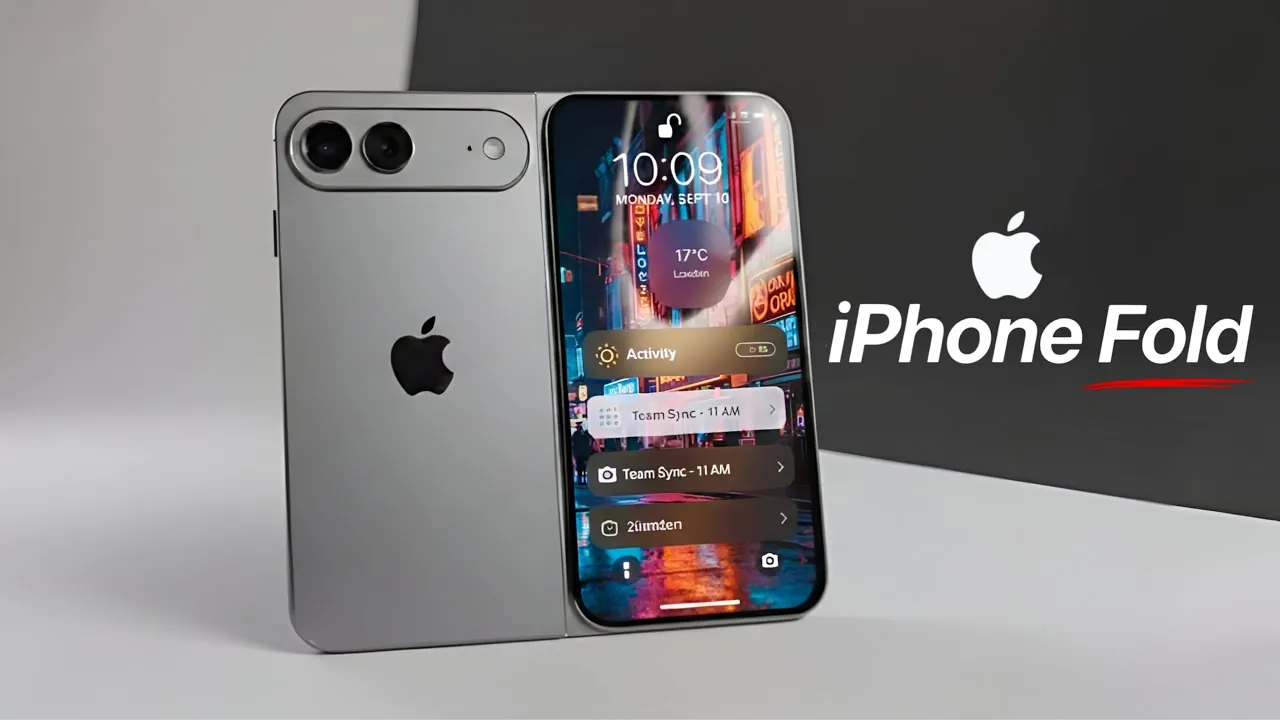
Apple and Samsung are intensifying their competition in the foldable smartphone market, each striving to redefine the standards of design, functionality, and user experience. With both companies addressing persistent challenges such as narrow displays and visible creases, the race to make foldable phones more practical and appealing to a wider audience is heating up. This article explores their strategies, comparing their design philosophies, technological advancements, and market approaches to understand how they aim to shape the future of foldable devices.

Wider Displays: The Shift to a 4:3 Aspect Ratio
The design of foldable smartphones is undergoing a significant transformation, with both Apple and Samsung adopting wider displays featuring a 4:3 aspect ratio. This evolution addresses the usability issues found in earlier models, which often had tall, narrow screens that felt awkward in both folded and unfolded states. A 4:3 aspect ratio provides a more balanced and natural viewing experience, making foldable phones resemble compact tablets when opened.
The rumored dimensions of the iPhone Fold and Galaxy Z Fold 8 suggest a shared focus on enhancing usability for activities such as reading, multitasking, and media consumption. By embracing this aspect ratio, both brands aim to position foldable devices as versatile tools that cater to productivity and entertainment needs. This shift underscores their commitment to improving the practicality of foldable technology for everyday users.
Design Philosophies: Comfort vs. Durability
While Apple and Samsung share a common vision of creating functional foldable devices, their design philosophies reveal distinct priorities that cater to different user preferences.
– Samsung’s Approach: Samsung has built its reputation on an industrial aesthetic that emphasizes durability and precision. The Galaxy Z Fold 8 is expected to continue this tradition by incorporating advanced materials such as a metal backplate to reinforce its structure. This focus on resilience appeals to users who prioritize robust and long-lasting devices.
– Apple’s Approach: Apple, in contrast, prioritizes comfort and ergonomics. The iPhone Fold is rumored to feature softer, rounded edges, making it more comfortable to hold and use. This design aligns with Apple’s broader ethos of creating products that seamlessly integrate into daily life while offering a user-friendly experience.
These contrasting approaches highlight the brands’ differing priorities: while Samsung leans toward durability and structural integrity, Apple emphasizes comfort and ease of use, catering to users who value a more tactile and ergonomic experience.
Innovations in Display Technology
Reducing the visibility of creases on foldable displays remains one of the most significant challenges in the development of foldable smartphones. Both Apple and Samsung are using advanced technologies to address this issue, aiming to improve the visual and tactile quality of their devices.
– Samsung’s Solution: Samsung is reportedly using its Mont Flex panel technology, which combines a flexible display with a metal backplate and advanced adhesives. This innovation not only minimizes creasing but also enhances the overall durability of the display, making sure a smoother and more reliable user experience.
– Apple’s Solution: Apple is focusing on ultra-thin glass for its foldable screens. This material offers a smoother surface compared to traditional plastic-based displays, potentially delivering a superior tactile experience. By prioritizing materials that reduce creasing, Apple aims to enhance both the aesthetics and usability of its foldable devices.
These advancements reflect a shared goal: overcoming a key barrier to consumer adoption by delivering foldable displays that are both visually appealing and functionally reliable.
Challenges in the Foldable Market
Despite the progress made in design and technology, foldable smartphones still face several challenges that could hinder their widespread adoption. These obstacles include:
- High Production Costs: The use of advanced materials and innovative technologies significantly increases manufacturing expenses, making foldable phones less accessible to the average consumer.
- Market Hesitation: Many consumers remain skeptical about foldable phones, viewing them as niche or experimental products rather than practical devices for everyday use.
Both Apple and Samsung are betting on the potential for foldable devices to transition from luxury gadgets to mainstream products. Their success will depend on their ability to address these challenges by delivering reliable, cost-effective solutions that appeal to a broader audience.
What’s Next: Launch Timelines and Market Impact
The competition between Apple and Samsung is set to escalate in 2026, with both companies planning major product launches. Samsung is expected to unveil the Galaxy Z Fold 8 during the summer, continuing its tradition of early releases. Meanwhile, Apple is rumored to debut the iPhone Fold in September, alongside its standard iPhone lineup.
These launches could represent a pivotal moment for the foldable smartphone market. If Apple and Samsung can successfully address the remaining technical and economic challenges, foldable phones may finally achieve mainstream adoption. This shift has the potential to redefine mobile technology, offering users a new level of versatility and innovation.
As the foldable market evolves, the rivalry between Apple and Samsung will likely drive further advancements in design, functionality, and affordability. Their efforts to overcome existing barriers could pave the way for foldable devices to become a staple in the smartphone industry, reshaping how users interact with mobile technology.
Here are more detailed guides and articles that you may find helpful on Foldable Phones.
- Foldable 360 Rotating Travel Phone Stand with Magnetic Support
- MagStack Foldable 3-in-1 Wireless Charging Station with Floating
- Google’s Pixel 11 Pro Fold Could Transform Foldable Phones
- Samsung Galaxy Trifold: A Fantastic option in Foldable Phones
- Samsung Galaxy Z Roll and Tri-Fold: Next-Gen Foldable Phones
Source & Image Credit: Demon’s Tech
Disclosure: Some of our articles include affiliate links. If you buy something through one of these links, Geeky Gadgets may earn an affiliate commission. Learn about our Disclosure Policy.
