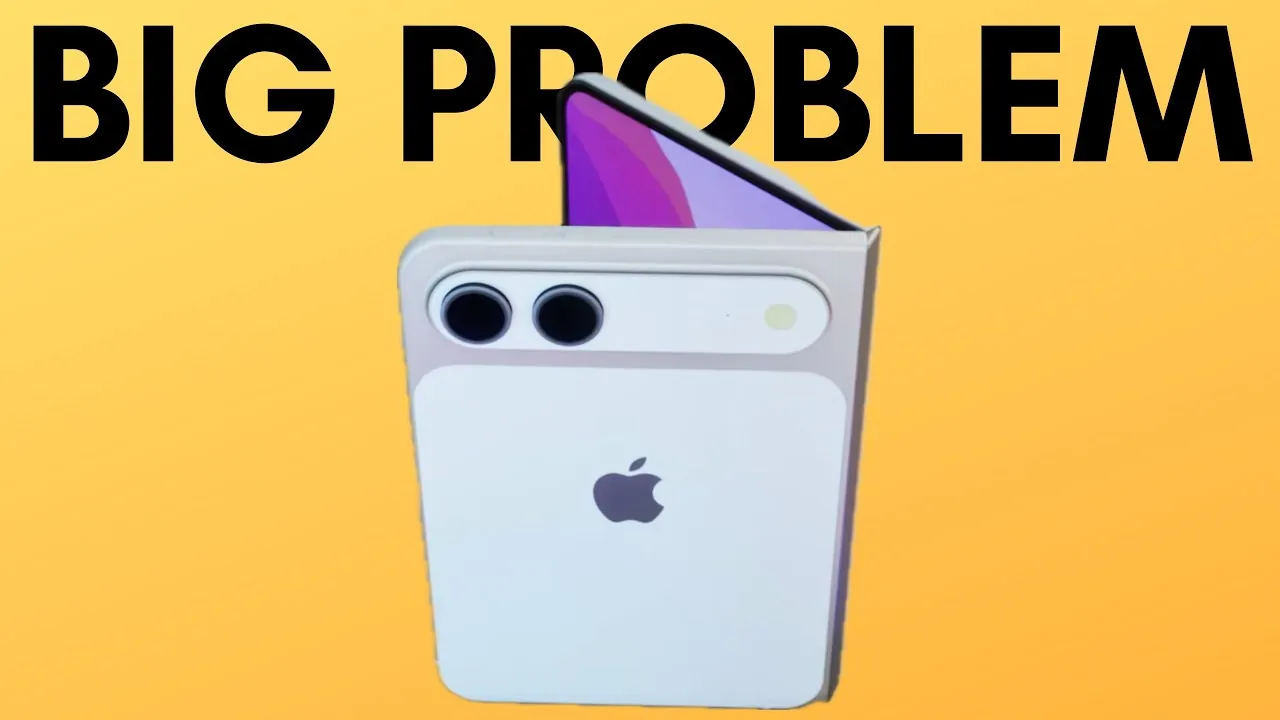
Apple’s highly anticipated foldable iPhone, rumored to launch in late 2026, represents a significant evolution in smartphone technology. By combining advanced engineering with Apple’s signature design philosophy, this device could reshape the foldable phone market. However, challenges such as production complexities, high costs, and limited initial availability may temper its immediate impact. Despite these hurdles, the foldable iPhone is expected to generate both excitement and debate, positioning itself as a premium product that pushes the boundaries of mobile innovation.

Launch Timeline and Production Challenges
Apple is targeting the second half of 2026 for the debut of its foldable iPhone, but production constraints may delay its widespread availability. The device is currently in the design validation phase, with an initial production goal of 10 million units. However, the intricate process of manufacturing foldable displays and integrating advanced components presents significant challenges. These hurdles are likely to limit supply well into 2027.
To address these demands, Apple has reportedly placed an order for 22 million OLED panels from Samsung, a key supplier in the foldable display market. Despite this substantial order, scaling up production to meet global demand remains a formidable task. Early adopters may face limited stock and extended wait times, underscoring the complexity of bringing such an innovative product to market.
Innovative Design and Advanced Features
The foldable iPhone is expected to feature a book-style inward folding design, offering a 7.58-inch inner display and a 5.35-inch external display. Apple is focusing on durability by incorporating a titanium-aluminum hybrid frame and an advanced hinge mechanism designed to minimize visible creases—an issue that has plagued many foldable devices. These design elements aim to enhance the device’s longevity and user experience.
The phone will also employ Color Filter on Encapsulation (COE) technology, which enables thinner and brighter displays. An under-display front camera is anticipated, contributing to a seamless and modern aesthetic. These innovations reflect Apple’s commitment to delivering a product that balances innovative technology with practical usability.
Performance and Technical Specifications
The foldable iPhone is set to deliver top-tier performance, powered by Apple’s A20 chipset. This advanced processor will support a modified version of iPadOS, optimized for multitasking and productivity on the larger foldable display. The device’s technical specifications further underscore its premium positioning:
- Dual 40MP rear cameras and a 24MP under-display front camera for versatile photography.
- 120Hz LTPO OLED displays for smoother visuals and enhanced responsiveness.
- A robust battery capacity of 5,400–5,800mAh, making sure extended usage on a single charge.
While these features position the foldable iPhone as a high-performance device, some compromises are evident. For instance, the lack of optical image stabilization for the inner camera may disappoint photography enthusiasts seeking superior image quality.
Pricing and Market Strategy
The foldable iPhone’s use of premium materials and advanced technology has driven up production costs, with the device expected to retail between $2,000 and $2,500. This pricing firmly establishes it as a luxury product, aimed at showcasing Apple’s technological prowess rather than appealing to the mass market.
Apple’s strategy appears to focus on creating a “halo” product—one that sets a benchmark for foldable devices and influences the broader market. While this approach may limit initial sales, it reinforces Apple’s intent to lead the foldable category by emphasizing quality and innovation over affordability.
eSIM-Only Design: A Technological Shift
The foldable iPhone is likely to feature an eSIM-only design, continuing Apple’s trend of eliminating physical SIM cards. This transition offers several benefits, including enhanced security, a slimmer device profile, and improved water resistance. However, the move may face resistance in regions like China, where physical SIM swapping remains a common practice.
This design choice highlights Apple’s forward-thinking approach but also underscores the importance of addressing regional market preferences. Successfully navigating these challenges will be crucial for making sure the device’s global appeal.
Market Impact and Potential Challenges
Apple’s entry into the foldable market has the potential to redefine the category, setting new standards for design, functionality, and performance. However, several factors could influence its reception:
- The high price point may limit its appeal to a niche audience.
- Production constraints could lead to limited availability and long wait times for early adopters.
- Concerns about the durability of foldable displays remain unresolved, potentially affecting consumer confidence.
- The practicality of features like the under-display camera is yet to be fully demonstrated.
These challenges may restrict the device’s initial impact, particularly among consumers who prioritize affordability and reliability over innovative innovation. However, for tech enthusiasts and early adopters, the foldable iPhone offers a glimpse into the future of mobile technology.
Shaping the Future of Foldable Devices
Apple’s foldable iPhone represents a bold step in the evolution of smartphones, blending advanced features with a premium design. While its high cost and production challenges may limit its immediate reach, the device has the potential to influence the industry and push foldable technology into the mainstream.
By addressing key challenges such as durability, availability, and regional market preferences, Apple could solidify its position as a leader in the foldable category. For now, the foldable iPhone stands as a testament to Apple’s commitment to innovation, offering a compelling vision of what the future of mobile devices could look like.
Gain further expertise in the Foldable iPhone by checking out these recommendations.
- Apple’s Foldable iPhone: Features, Design, and Release Date
- Apple’s Folding iPhone 17 Flip: First Look at Leaked Design
- iPhone Fold: How It Stacks Up Against Samsung’s Foldables
- iPhone Fold: Price, Specs, and Release Date, Apple’s 2026 Vision
- iPhone Ultra: Apple’s Foldable Smartphone Revolution Explained
Source & Image Credit: SaranByte
Disclosure: Some of our articles include affiliate links. If you buy something through one of these links, Geeky Gadgets may earn an affiliate commission. Learn about our Disclosure Policy.
