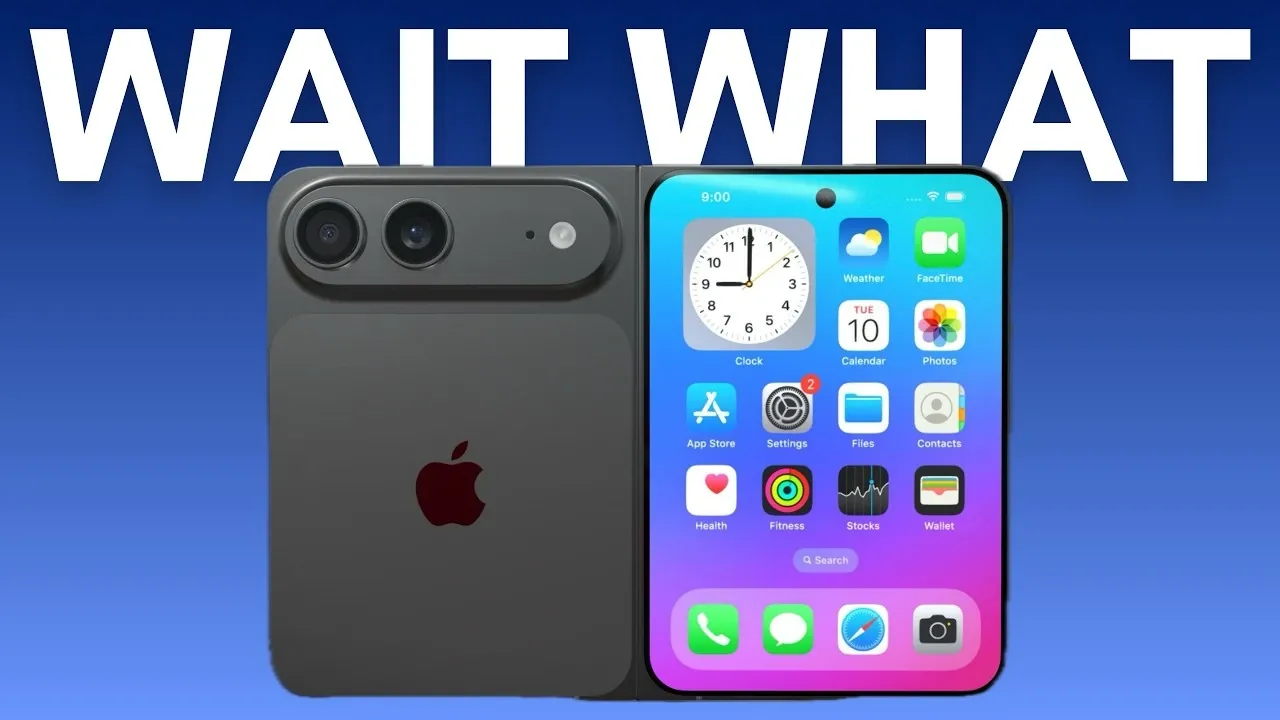
Apple’s highly anticipated foldable iPhone, expected to debut in fall 2026, is encountering notable challenges during its critical engineering validation testing (EVT) phase. While the company remains steadfast in its commitment to the planned release timeline, delays in this essential stage of development could lead to supply shortages and limited availability at launch. These obstacles highlight the inherent complexities of entering the foldable smartphone market, even for a company as experienced and resourceful as Apple. The video below from SaranByte gives us more details.

What’s Causing the Delays?
The EVT phase, a pivotal step in product development, has proven more demanding than Apple initially projected. Originally scheduled for completion by June 2026, the process has now been delayed by one to two months, pushing the start of mass production to early August 2026. The primary challenges revolve around making sure the durability of the hinge mechanism, testing the longevity of the foldable display, and maintaining the overall structural integrity of the device.
Apple’s stringent quality standards are a double-edged sword in this scenario. On one hand, they aim to avoid the early pitfalls experienced by competitors such as Samsung, whose first-generation foldable devices faced criticism for hinge failures and fragile displays. On the other hand, these rigorous standards have contributed to the delays, compressing the production timeline and potentially limiting the number of units available at launch. This situation underscores the difficulty of balancing innovation with reliability in a highly competitive market.
Durability: Apple’s Top Priority
Durability and reliability are at the forefront of Apple’s efforts to bring its foldable iPhone to market. The company is conducting extensive testing to ensure the device can withstand the unique stresses associated with foldable technology. Key areas of focus include:
- Hinge reliability: Making sure the hinge mechanism can endure repeated folding cycles without degradation or failure.
- Display longevity: Verifying that the foldable screen remains functional and visually intact after prolonged use.
- Structural integrity: Maintaining the overall durability of the device while accommodating its flexible design.
These efforts reflect Apple’s determination to deliver a premium product that avoids the technical missteps seen in early foldable devices from competitors. By prioritizing durability, Apple aims to instill confidence in consumers and set a new benchmark for quality in the foldable smartphone category.
Design and Features: A Dual-Display Experience
The foldable iPhone is designed to provide users with a seamless transition between smartphone and tablet modes, offering a versatile experience for both productivity and entertainment. The device features a 5.3-inch outer display for standard use and a 7.8-inch inner display that unfolds to deliver a larger, tablet-like interface. This dual-display configuration positions the foldable iPhone as a multifunctional tool capable of adapting to a wide range of user needs.
A key component of the design is the hinge mechanism, which has been engineered for smooth operation and long-term durability. Apple’s focus on perfecting this element underscores its commitment to delivering a device that meets consumer expectations for quality and performance. By combining innovative design with practical functionality, the foldable iPhone aims to stand out in a crowded market.
Pricing: A Premium Entry into the Market
As a first-generation product, the foldable iPhone is positioned as a high-end device aimed at early adopters and tech enthusiasts. With an estimated price range of $2,000 to $2,500, it targets a niche audience willing to invest in innovative technology. This pricing strategy aligns with Apple’s approach of introducing innovative products at a premium price point while gauging market interest and consumer feedback.
However, the high cost, coupled with the potential for early-stage issues, may deter some consumers. Apple likely views this initial release as an opportunity to refine its foldable technology and gather valuable insights for future iterations. By entering the market with a premium product, Apple can establish a foothold in the foldable category while setting the stage for more accessible models in the future.
Apple’s Late Arrival: A Double-Edged Sword
Apple’s entry into the foldable smartphone market comes several years after competitors like Samsung and Google introduced their own foldable devices. While this delay has allowed Apple to learn from the successes and failures of its rivals, it also raises expectations for a polished, market-leading product. Any missteps during the launch could undermine Apple’s reputation for delivering refined and reliable technology.
Competitor benchmarking has likely played a significant role in shaping Apple’s development process. By studying existing foldable devices, Apple aims to differentiate its product through superior quality, usability, and innovation. This approach reflects Apple’s strategy of entering markets later but with a product that sets new standards for excellence.
Supply Chain and Consumer Implications
The delays in the EVT phase and the resulting compressed production schedule may place significant strain on Apple’s supply chain. This could lead to limited availability of the foldable iPhone at launch, particularly in high-demand markets. Early adopters eager to purchase the device may face extended shipping times or difficulty securing a unit, potentially dampening initial enthusiasm.
For consumers, the foldable iPhone represents both an exciting opportunity and a potential risk. As a first-generation product, it offers a glimpse into the future of mobile technology but may also come with unforeseen challenges. Early adopters will play a crucial role in shaping public perception of foldable devices and influencing Apple’s strategy for future releases. Their feedback and experiences will likely inform the development of subsequent models, helping Apple refine its approach to this emerging category.
Balancing Innovation and Challenges
The development of Apple’s foldable iPhone highlights the technical and logistical hurdles of entering the foldable smartphone market. Apple’s commitment to quality and innovation is evident in its rigorous testing and focus on durability, but the delays in the EVT phase and potential supply constraints underscore the challenges of delivering a new product on a tight timeline. As the fall 2026 launch approaches, the foldable iPhone represents a bold step into a new category, balancing the promise of innovation with the realities of production and consumer expectations.
Become an expert in the Foldable iPhone with the help of our in-depth articles and helpful guides.
- iPhone Ultra: Apple’s New $1,999 Foldable Flagship (2026)
- Apple’s iPhone Fold: Everything We Know So Far
- iPhone Fold Leaks: 7.8-Inch Display & Trial Production News
- iPhone Fold Rumors: What to Expect from Apple’s First Foldable
- Apple’s Foldable iPhone: Release Date, Specs and More
Source & Image Credit: SaranByte
Disclosure: Some of our articles include affiliate links. If you buy something through one of these links, Geeky Gadgets may earn an affiliate commission. Learn about our Disclosure Policy.
