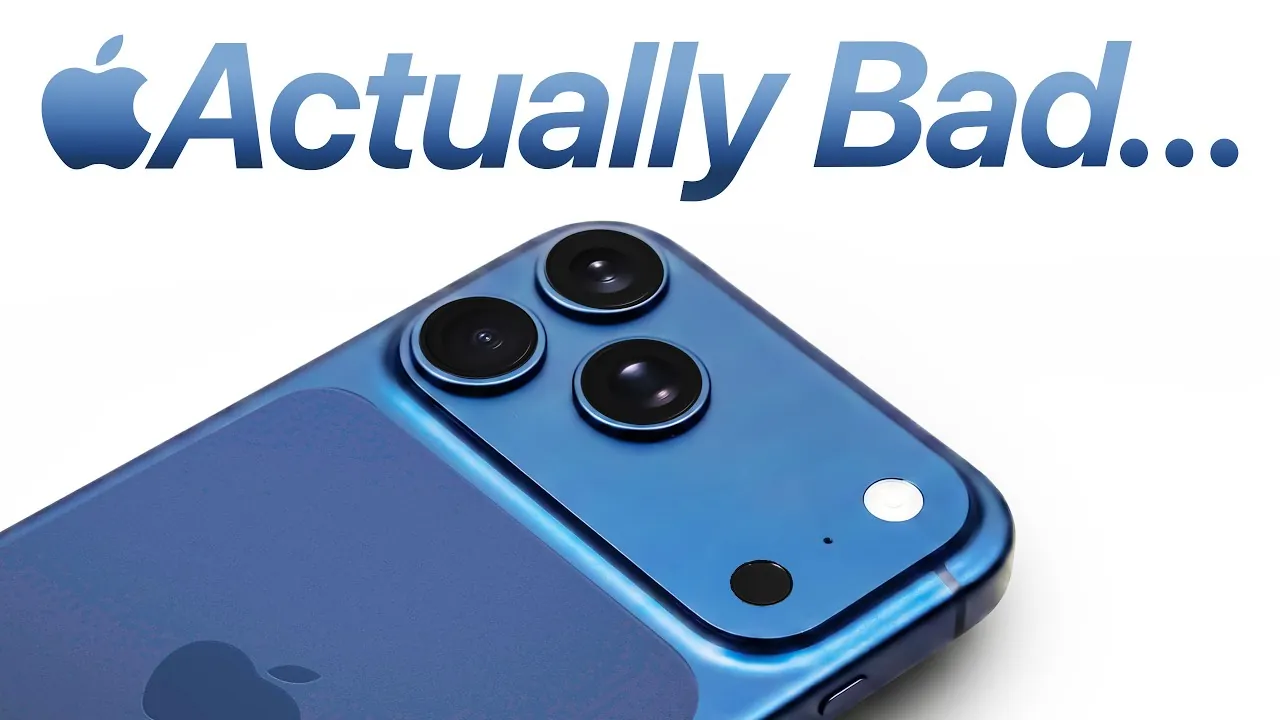
The iPhone’s camera, once a benchmark for smartphone photography, is now facing growing challenges from Chinese competitors. Brands such as Vivo, Xiaomi, and Huawei have surged ahead, offering innovative hardware and advanced image processing that outshine Apple’s offerings in critical areas. From low-light photography to telephoto and macro capabilities, the iPhone reveals significant limitations. While Apple is reportedly working on improvements, the current gap underscores the challenges it faces in the rapidly evolving smartphone camera market, where innovation and experimentation are key drivers of success. The video below from ZONEofTECH gives us more details.

Main Camera: Strengths and Weaknesses
In well-lit conditions, the iPhone’s main camera continues to deliver natural colors and detailed images, maintaining its reputation for reliability. However, its smaller sensor size compared to competitors limits its ability to excel in low-light environments. Chinese brands like Xiaomi and Vivo have adopted larger sensors—some as large as 1 inch—that capture more light and reduce noise, resulting in superior night photography. These larger sensors allow for better dynamic range and clarity, particularly in challenging lighting conditions, where the iPhone struggles to match the performance of its rivals.
The gap becomes even more apparent when comparing the iPhone’s image processing capabilities. While Apple’s algorithms focus on producing realistic and balanced images, Chinese manufacturers use AI-driven enhancements to optimize color accuracy, reduce noise, and improve overall image quality. This technological edge places Chinese smartphones ahead in scenarios that demand both hardware and software excellence.
Ultra-Wide Camera: A Mixed Bag
Apple’s ultra-wide camera performs competitively in daylight photography, offering sharp images and a relatively wide field of view. Its larger sensor compared to earlier models ensures decent performance in well-lit conditions. However, Chinese smartphones continue to lead in this category due to their advanced image processing techniques. Features like multiband imaging and AI-powered corrections allow for sharper, more vibrant images, even in complex scenarios such as high-contrast lighting or intricate textures.
While the iPhone holds its ground in certain conditions, it often falls short in delivering the overall quality achieved by competitors. Chinese brands have also introduced innovative features like freeform lenses to reduce distortion in ultra-wide shots, further widening the gap in performance. This highlights Apple’s need to invest in both hardware and software advancements to remain competitive in this segment.
Telephoto Camera: A Noticeable Weakness
The telephoto lens remains one of the iPhone’s most significant shortcomings. Apple’s reliance on smaller sensors and limited zoom capabilities hampers its performance, especially when compared to Chinese smartphones. Brands like Huawei and Vivo have introduced sophisticated optical zoom systems, larger sensors, and AI stabilization technologies that produce exceptional results in portrait photography and long-range zoom.
In contrast, the iPhone struggles to maintain detail and focus, particularly in low-light or high-zoom scenarios. For example, Huawei’s periscope-style zoom lenses allow for 10x optical zoom and beyond, delivering sharp and detailed images even at extreme distances. Apple’s telephoto capabilities, by comparison, feel outdated and insufficient for users seeking advanced zoom functionality. This area represents a critical weakness for Apple, as telephoto performance has become a key differentiator in the smartphone camera market.
Macro Photography: Falling Short
Macro photography is another area where the iPhone lags behind its competitors. Apple’s approach, which relies on ultra-wide lenses for close-up shots, often results in distortion and reduced sharpness. This method struggles to capture the intricate details and textures that define high-quality macro photography.
Chinese manufacturers, on the other hand, employ telephoto lenses for macro photography, allowing precise focus and stunning close-ups. Devices like the Huawei P60 Pro excel in this category, producing images with remarkable clarity and detail. These advancements highlight the growing divide between Apple and its competitors in delivering specialized photography features.
What Sets Chinese Smartphones Apart?
Chinese smartphone brands have consistently pushed the boundaries of camera technology, outpacing Apple in several key areas. Their advantages include:
- Larger Sensors: Devices like the Xiaomi 13 Ultra feature sensors up to 1 inch, significantly enhancing light capture and image quality.
- Advanced Image Processing: AI-driven algorithms improve color accuracy, dynamic range, and noise reduction, resulting in more polished and vibrant images.
- Innovative Features: Technologies such as moving lenses, multiscale zoom, and 200-megapixel sensors redefine smartphone photography, offering users unprecedented creative possibilities.
These innovations allow Chinese smartphones to deliver superior performance across a variety of scenarios, from low-light environments to high-zoom applications. By embracing bold experimentation and rapid iteration, these brands have established themselves as leaders in mobile photography.
Apple’s Conservative Approach
Apple’s strategy has long prioritized reliability and consistency over aggressive innovation. By focusing on mature, proven technologies, the company ensures long-term support and avoids potential user backlash. However, this cautious approach has left the iPhone trailing behind in camera performance.
While Chinese brands experiment with bold new features and frequent updates, Apple’s reluctance to adopt innovative components has limited its ability to compete in the fast-paced smartphone camera market. This conservative philosophy, while making sure stability, has also slowed Apple’s ability to respond to the rapid advancements made by its competitors.
Future Prospects for Apple
Rumors suggest that Apple is exploring significant upgrades for future iPhone models. Potential improvements include 200-megapixel sensors, multiband imaging, and enhanced aperture designs. These advancements could address some of the iPhone’s current weaknesses, particularly in low-light and telephoto performance.
However, it remains uncertain when these features will be implemented and whether they will be enough to close the gap with Chinese competitors. Apple’s ability to innovate while maintaining its signature reliability will be critical in determining its future success in the smartphone camera market.
Broader Market Trends
The disparity in camera innovation reflects broader market dynamics. Apple and Samsung focus on delivering reliable, mass-market products, making sure consistent performance across millions of devices. In contrast, Chinese brands like Huawei, Vivo, and Xiaomi adopt a more experimental approach, rapidly iterating on new technologies and releasing frequent updates.
While this strategy allows them to lead in innovation, it also carries risks related to quality control and long-term support. Nevertheless, their willingness to push boundaries has positioned them at the forefront of mobile photography, leaving traditional leaders like Apple struggling to keep pace.
Here are more detailed guides and articles that you may find helpful on iPhone camera performance.
- Apple iPhone 15 Pro Max 256GB – Unlocked (Premium Refurbished)
- iPhone 17 Pro Max vs Galaxy S25 Ultra vs Pixel 10 XL
- iPhone 18 Pro Max Camera and Battery Upgrades You’ll Love
- iPhone 17 vs. Pro Models: Display, Camera, and Performance
- iPhone 16e Review: Camera, Battery Life, and Performance
Source & Image Credit: ZONEofTECH
Disclosure: Some of our articles include affiliate links. If you buy something through one of these links, Geeky Gadgets may earn an affiliate commission. Learn about our Disclosure Policy.
