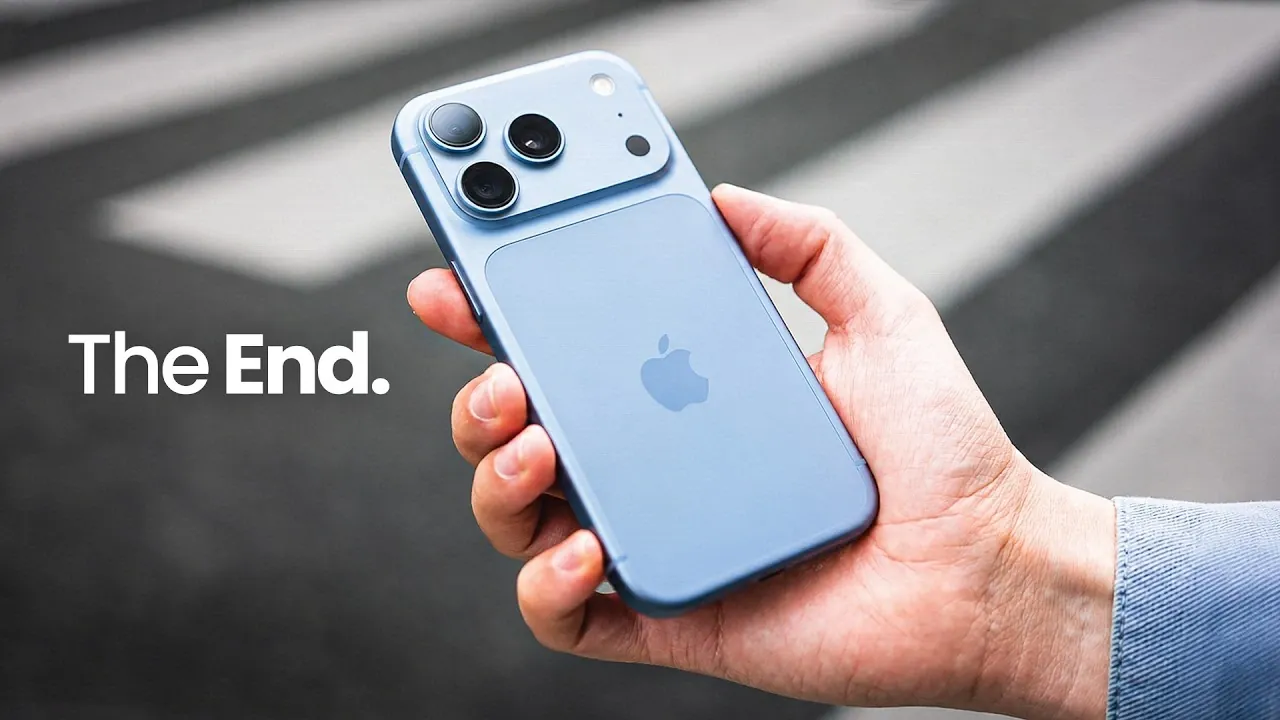
The iPhone 18 Pro is poised to make its debut with a mix of ambitious upgrades and contentious design choices. Among its most notable changes are a significant price increase and the introduction of a variable aperture camera, aimed at enhancing photography capabilities. However, Apple’s decision to retain certain criticized elements, such as the anodized aluminum chassis, has sparked debate among consumers and industry experts alike. These developments come at a time when Apple faces rising production costs and intensifying competition from Samsung, potentially reshaping the dynamics of the premium smartphone market.

Rising Costs Drive Price Hike
The iPhone 18 Pro is expected to carry a higher price tag, driven largely by escalating production expenses. One of the primary factors behind this increase is the soaring cost of memory technology, which has surged by an astonishing 300%. This alone has contributed to a 25% rise in overall manufacturing costs. While Apple may absorb a portion of these expenses, analysts forecast a price hike of at least $100 for the iPhone 18 Pro.
This adjustment could eliminate Apple’s historical price advantage over Samsung’s Galaxy S26 Ultra, which has traditionally been priced $100 higher. For consumers, this shift means the iPhone 18 Pro may no longer offer the same perceived value it once did. The question remains whether buyers will accept this increase or turn to competitors offering similar features at a lower cost.
Variable Aperture Camera: Innovation at a Cost
One of the standout features of the iPhone 18 Pro is its variable aperture camera, a significant advancement in smartphone photography. This technology allows the camera to adjust its aperture based on lighting conditions, resulting in sharper images and better performance in low-light environments. While this feature represents a leap forward, it is not entirely new; Samsung introduced a similar capability with its Galaxy S9 in 2018.
The adoption of this advanced camera system comes with a steep price. The new camera is 50% more expensive to produce than its predecessor, contributing to the overall cost increase of the device. While photography enthusiasts may appreciate the improved image quality, the added expense raises questions about whether the average user will find this feature compelling enough to justify the higher price. For Apple, this move reflects a calculated risk to appeal to a niche audience while potentially alienating budget-conscious buyers.
Competitive Pressure from Samsung
The anticipated price hike for the iPhone 18 Pro could have significant implications for Apple’s competitive positioning against Samsung. Historically, Apple’s Pro Max models have maintained a $100 price advantage over Samsung’s Galaxy Ultra series, a key selling point for many consumers. However, if the price gap closes, Apple risks losing this edge.
Samsung, in turn, may respond by adjusting the pricing of its upcoming Galaxy S27 Ultra, further intensifying the rivalry between the two tech giants. This evolving competition could force both companies to rethink their strategies, focusing not only on innovation but also on delivering value to retain consumer loyalty. For buyers, this dynamic creates a more complex decision-making process, as they weigh the benefits of each brand’s offerings against their respective price points.
Chassis Design: A Missed Opportunity?
Apple’s decision to retain the anodized aluminum chassis for the iPhone 18 Pro has drawn criticism, particularly from users who experienced durability issues with the iPhone 17 Pro. The material’s tendency to chip and wear over time has been a recurring complaint and many had hoped for an upgrade in this area. Instead, Apple has opted to introduce a new “dark cherry” hero color, replacing last year’s orange, as a way to refresh the device’s aesthetic appeal.
While the new color option adds a touch of novelty, it does little to address the underlying concerns about durability. For some users, this decision feels like a missed opportunity to enhance the device’s overall quality. As competitors like Samsung continue to innovate with materials and design, Apple’s choice to stick with the status quo may leave some consumers questioning whether the iPhone 18 Pro truly represents a step forward.
Shifting Focus to the Ultra Model
Apple’s strategic shift toward emphasizing the iPhone Ultra model is becoming increasingly apparent. This pivot may explain some of the controversial decisions surrounding the iPhone 18 Pro, as resources and attention are redirected toward the Ultra tier. By positioning the Ultra model as its flagship offering, Apple appears to be targeting a more premium audience willing to pay a higher price for innovative features.
However, this strategy carries risks. The Pro series has long been valued for its balance of performance and affordability, appealing to a broad segment of Apple’s customer base. By prioritizing the Ultra model, Apple risks alienating loyal Pro users who may feel overlooked. This shift could redefine how Apple positions its devices in the market, but it also introduces uncertainty for consumers who have come to rely on the Pro series as a middle ground between affordability and premium features.
Balancing Innovation and Value
The iPhone 18 Pro represents a pivotal moment for Apple as it navigates the challenges of rising production costs, fierce competition and shifting consumer expectations. Features like the variable aperture camera and the new “dark cherry” color may attract specific segments of the market, but the retention of a criticized chassis design and a significant price hike could deter others.
As Apple and Samsung continue their battle for dominance in the premium smartphone market, the reception of the iPhone 18 Pro will serve as a critical indicator of Apple’s ability to balance innovation with value. For consumers, the central question remains: does the iPhone 18 Pro offer enough to justify its higher price, or has Apple misjudged the priorities of its audience? The answer will likely shape the future of Apple’s product strategy and its standing in the competitive landscape.
Source & Image Credit: Techtics
Disclosure: Some of our articles include affiliate links. If you buy something through one of these links, Geeky Gadgets may earn an affiliate commission. Learn about our Disclosure Policy.
