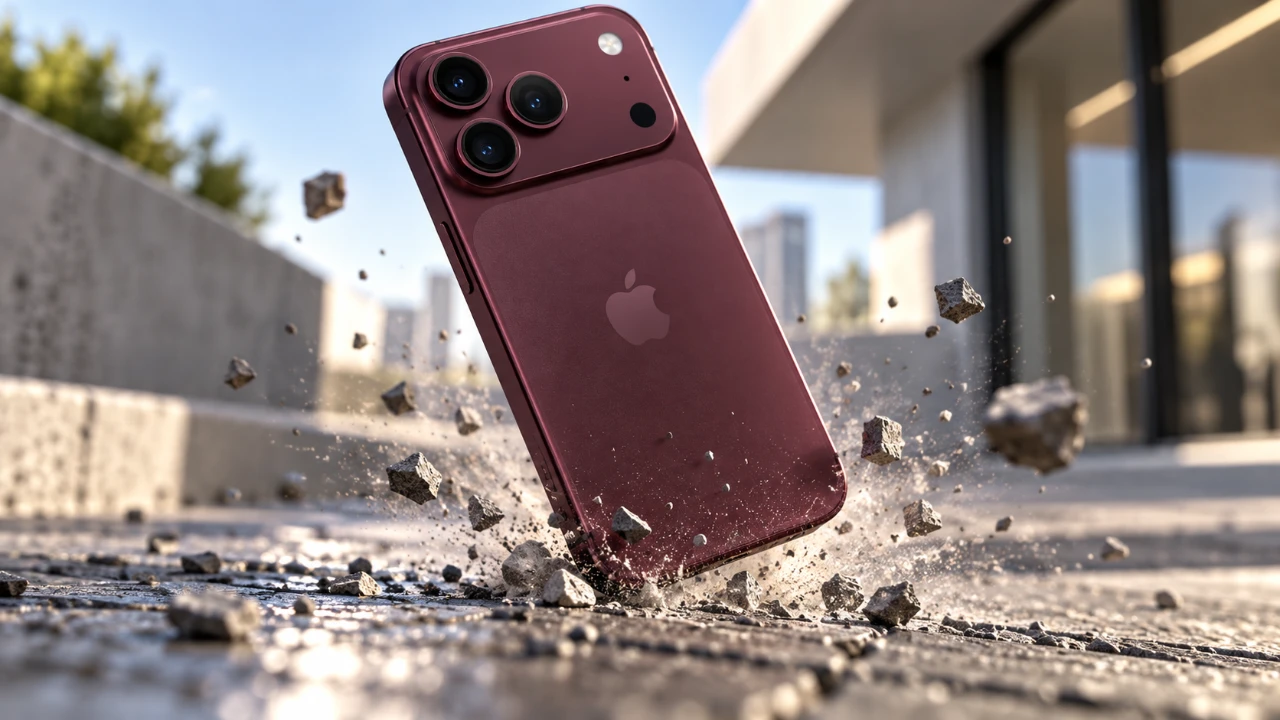
Apple’s iPhone 18 Pro, the latest addition to its flagship lineup, continues to feature an aluminum frame, a design choice that has sparked ongoing discussions about its durability. While the device introduces several refinements, the aluminum frame remains a focal point of concern for users who prioritize robustness. A series of drop tests comparing the iPhone 18 Pro to its predecessor, the iPhone 17 Pro, highlights a mix of advancements and persistent challenges in durability, offering insights into the strengths and weaknesses of Apple’s material choices. The video below from AppleTrack gives us a look at how durable the new iPhone is in a drop test.

Aluminum Frame: Lightweight but Vulnerable
The aluminum frame is celebrated for its lightweight and cost-effective properties, making it a practical choice for mass production and portability. However, its inherent softness leaves it prone to scratches, dents, and other physical damage, a drawback that continues to affect the iPhone 18 Pro. While Apple has made minor structural enhancements, such as refining the antenna design to reduce splitting, these adjustments do not fully address aluminum’s vulnerabilities.
Alternative materials like titanium or stainless steel offer superior durability but come with trade-offs. Titanium provides a high strength-to-weight ratio, while stainless steel features excellent resistance to scratches and dents. Both materials, though heavier and more expensive, could significantly enhance the durability of future iPhone models, addressing the limitations of aluminum.
Drop Test Findings: Progress and Limitations
To evaluate the iPhone 18 Pro’s durability, drop tests were conducted from both waist height and shoulder height, simulating common real-world scenarios. The results revealed a combination of improvements and ongoing challenges:
- Waist-height drops: The aluminum frame sustained visible scratches and dents but retained full functionality, demonstrating moderate resilience.
- Shoulder-height drops: Damage to the frame became more pronounced, with deeper dents and scratches. However, the device’s structural integrity remained intact, preventing catastrophic failure.
The front-facing screen, a critical component for daily use, showed no significant improvement over the iPhone 17 Pro. Both models developed cracks when dropped from shoulder height, highlighting the need for enhanced screen protection. On the other hand, the back glass of the iPhone 18 Pro demonstrated notable progress, surviving multiple high-impact drops that shattered the back glass of its predecessor. This improvement marks a step forward in protecting the device’s rear surface, offering users greater peace of mind.
Camera Lens: A Durable Highlight
One standout feature of the iPhone 18 Pro is the durability of its camera lenses. Similar to the iPhone 17 Pro, the lenses proved highly resistant to damage, even under extreme conditions. This ensures that the device’s photographic capabilities remain unaffected, even in scenarios where other components may sustain damage. For users who rely heavily on their smartphone cameras for professional or personal use, this durability is a significant advantage, reinforcing the iPhone 18 Pro’s reputation as a reliable tool for photography and videography.
Exploring Alternatives: Titanium and Stainless Steel
The durability challenges associated with aluminum raise important questions about the potential for alternative materials in future iPhone models. Both titanium and stainless steel present viable options, each with distinct advantages:
- Titanium: Known for its exceptional strength-to-weight ratio, titanium offers a lighter yet more durable alternative to aluminum. However, its higher production cost could increase the overall price of the device.
- Stainless steel: Renowned for its resistance to scratches and dents, stainless steel provides unmatched durability. However, its heavier weight may impact the device’s portability and user comfort.
By adopting these materials, Apple could address aluminum’s shortcomings and deliver a more robust product. However, the decision to shift to alternative materials would require careful consideration of cost, weight and user experience.
Protective Cases: A Practical Solution
Given the limitations of aluminum, using a protective case remains a practical and effective solution for safeguarding the iPhone 18 Pro. A high-quality case can mitigate the risks of scratches, dents and screen damage, providing an additional layer of protection during accidental drops. For users who prioritize both durability and aesthetics, investing in a durable yet stylish case is a necessary step to extend the lifespan of their device.
Moreover, cases designed with shock-absorbing materials can further enhance the phone’s resilience, particularly in high-impact scenarios. This makes protective cases an essential accessory for users who want to protect their investment without compromising on functionality or design.
Key Takeaways
- The iPhone 18 Pro demonstrates incremental improvements in durability, particularly in the resilience of its back glass.
- Aluminum remains a less durable material, prone to scratches and dents, despite minor structural enhancements.
- Screen durability remains unchanged, with both the iPhone 18 Pro and 17 Pro susceptible to cracking in high-impact scenarios.
- Camera lenses are highly resistant to damage, making sure reliable performance even after drops.
- Alternative materials like titanium and stainless steel could offer better durability in future iPhone models.
- Protective cases are a practical and necessary solution for users seeking to safeguard their devices against physical damage.
Looking Ahead
The iPhone 18 Pro represents a blend of progress and persistent challenges in durability. While improvements in the back glass and camera lens durability are commendable, the aluminum frame’s vulnerabilities remain a concern. For now, users are encouraged to take proactive measures, such as investing in protective cases, to ensure their devices remain functional and visually appealing over time.
As Apple continues to innovate, exploring alternative materials like titanium or stainless steel could pave the way for a more durable and resilient iPhone. Until such advancements are realized, users must balance the device’s lightweight design with the practical need for additional protection. The iPhone 18 Pro, while not without its flaws, remains a testament to Apple’s commitment to refinement and user experience.
Discover other guides from our vast content that could be of interest on the iPhone 18 Pro.
- Early iPhone 18 Reports Point to Major Unconfirmed Shifts
- iPhone 18 Pro Max Leaks: 10 Massive Upgrades Coming to Camera, Screen, and Battery
- Early iPhone 18 Pro Max Leak Reveals the Upgrade We’ve Been Waiting For
- Just Leaked: 10 Huge Upgrades for the iPhone 18 Pro Max
- What Apple Just Confirmed About the iPhone 18 Pro and Ultra
- Early First Look at the Expected iPhone 18 Pro Design
Source: AppleTrack
Disclosure: Some of our articles include affiliate links. If you buy something through one of these links, Geeky Gadgets may earn an affiliate commission. Learn about our Disclosure Policy.
