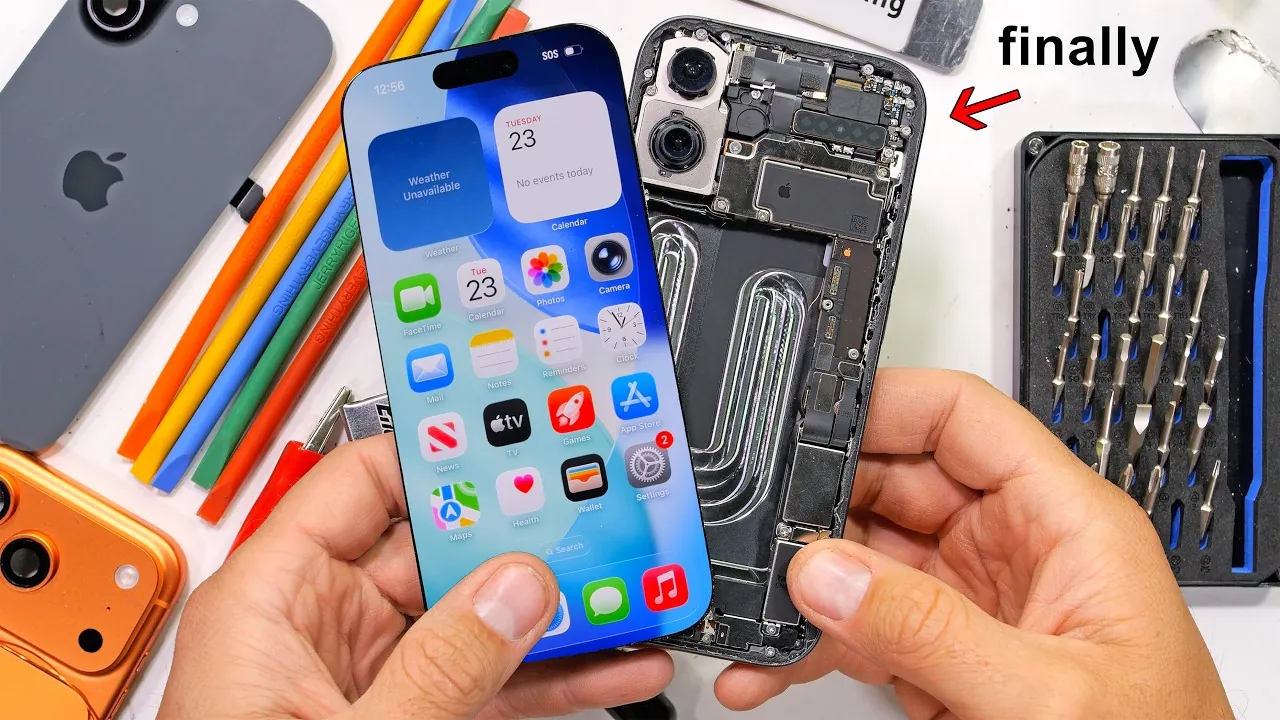
Apple’s self-service repair program for the iPhone 17 series represents a significant step toward empowering consumers like you to take control of your device’s maintenance. By providing access to genuine replacement parts and repair tools, Apple aligns itself with the growing “right to repair” movement, which advocates for greater consumer autonomy. However, the program comes with its own set of complexities, including pricing, repair difficulty, and environmental considerations. Understanding these aspects can help you decide whether this initiative is the right fit for your needs. The video below from JerryRigEverything gives us a look inside Apple’s iPhone 17.

How the DIY Repair Program Works
Apple’s self-service repair program allows you to purchase authentic replacement parts for iPhone 17 models and perform repairs independently. This initiative gives you more control over maintaining your device, but the associated costs and processes may influence your decision. Here’s a breakdown of some key repair costs:
- Back glass replacement: $159, reduced to $120 if you return the damaged glass for recycling.
- Front screen replacement: $329, with a $16 credit for recycling the old screen.
- Battery replacement: $99, reduced to $51.48 with a recycling credit.
While these options provide flexibility, the pricing may lead you to weigh the cost of repairs against the value of replacing your device. The program also requires you to use specialized tools, which can be rented from Apple for $49 per week, adding another layer of expense.
Repair Challenges: What to Expect
Repairing your iPhone 17 may not be as simple as it seems. The device’s construction includes strong adhesives and intricate components, making certain repairs particularly challenging. For instance, replacing the back glass requires specialized tools to safely remove the adhesive, increasing both the cost and complexity of the process.
For more advanced repairs, such as replacing the front camera with Face ID sensors or the rear cameras, costs range from $151 to $169. Other components, like the Taptic Engine, earpiece with a 5G antenna, and loudspeaker, can cost up to $678. These prices, combined with the technical expertise required, may deter you from attempting repairs yourself.
Additionally, Apple provides detailed repair manuals to guide you through the process, but the precision and care needed to avoid damaging other components can make the experience daunting for those unfamiliar with electronics repair.
Environmental Impact and Recycling Incentives
Apple’s repair program is not just about giving you control over your device; it also emphasizes sustainability. The company incorporates recycled materials into components such as batteries, magnets, and other internal parts. By encouraging you to return damaged components for recycling, Apple offers financial incentives, such as credits, to promote environmentally responsible practices.
These efforts align with global initiatives to reduce electronic waste and support a circular economy. By participating in the program, you can contribute to these sustainability goals while potentially lowering your repair costs. However, the environmental benefits are only fully realized if you actively engage with the recycling process.
How Apple Compares to Competitors
Apple’s self-service repair program is part of a broader industry trend, with competitors like Samsung, Google, and Motorola offering similar initiatives. These companies provide replacement parts and repair guides, but Apple’s program stands out due to its detailed pricing structure and recycling incentives.
However, there are notable limitations in Apple’s offerings. For example, essential components like logic boards and USB-C ports are absent from the parts catalog, restricting the program’s comprehensiveness. This gap may lead you to seek third-party repair services or alternative solutions for certain issues.
In contrast, some competitors provide a wider range of parts and more accessible repair processes, which could influence your choice depending on your priorities and technical expertise.
Design Changes and Their Impact on Repairs
The iPhone 17 introduces several design changes that directly affect repairability. These modifications include:
- Removal of the SIM card tray: In U.S. models, this space is replaced with a plastic block, offering no additional functionality.
- Lack of a cooling system: The standard iPhone 17 does not include a cooling mechanism for the A19 chip, which could impact long-term performance and durability.
These design choices, combined with the high cost of replacement parts, may discourage you from attempting repairs. Instead, you might find yourself considering an upgrade sooner than anticipated, particularly if repair costs approach the price of a new device.
What This Means for You
Apple’s self-service repair program for the iPhone 17 is a step toward giving you greater control over your device while promoting environmental sustainability. By offering genuine parts and recycling incentives, the program aligns with the values of the “right to repair” movement. However, the high cost of parts, repair complexity, and design challenges may limit its appeal to the average consumer.
Ultimately, whether you choose to engage with this program will depend on how you balance the benefits of sustainability and autonomy against the financial and technical demands of self-repair. As the industry continues to evolve, programs like this highlight the ongoing tension between empowering consumers and maintaining corporate control over device ecosystems.
Find more information on DIY repair programs by browsing our extensive range of articles, guides and tutorials.
- iFixit Essential Electronics Toolkit | StackSocial
- Ironmax MIG 140 Welder No Gas Flux-cored Automatic Feed Welder
- How to Fix iOS 18.2 Battery Drain: The Ultimate Guide
- How to Fix Outlook is Crashing on Startup
- VideoProc: Lifetime Subscription | StackSocial
Source & Image Credit: JerryRigEverything
Disclosure: Some of our articles include affiliate links. If you buy something through one of these links, Geeky Gadgets may earn an affiliate commission. Learn about our Disclosure Policy.
