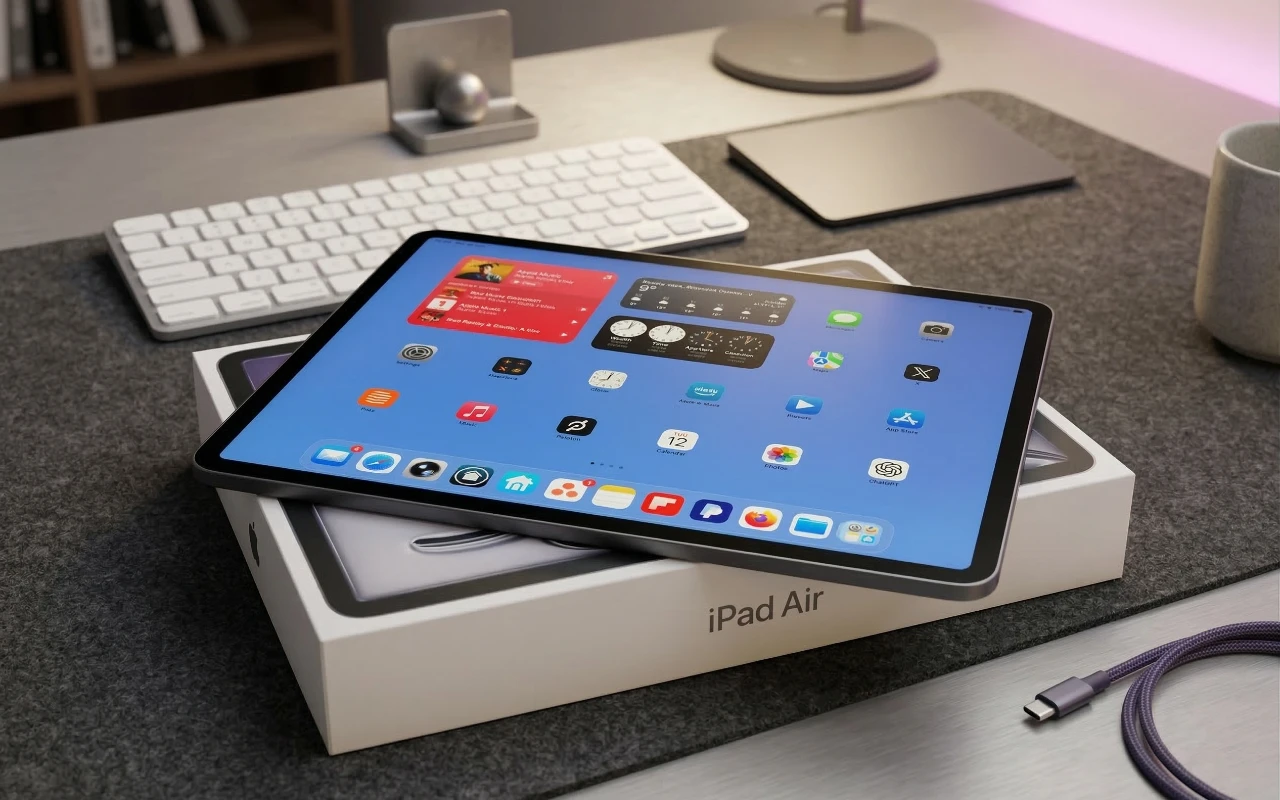
The M4 iPad Air introduces modest upgrades, including the M4 chip and increased RAM, but stops short of delivering significant advancements. While it remains a reliable option for many users, its lack of innovation in areas such as design, display, and features reflects Apple’s cautious approach to the iPad Air lineup. The video below from Slate Pad provides more insights into the tablet’s strengths and weaknesses, focusing on its design, performance, display, cameras, and overall value.

Design: Familiar, But Lacking Freshness
The M4 iPad Air retains the same aluminum chassis and color options as its predecessor, offering a lightweight and durable build. Its single-camera design provides a sleeker profile compared to the bulkier Pro models, making it a practical choice for users who prioritize portability. However, the overall aesthetic feels stagnant, with no significant updates to distinguish it from earlier iterations.
For users hoping for a refreshed look or new functionality, the Air’s design may feel uninspired. This is particularly noticeable when compared to other devices in Apple’s ecosystem, such as the iPad Pro or even the redesigned MacBook Air. The lack of innovation in design may leave some users questioning whether the M4 iPad Air truly represents progress.
Display: Reliable, Yet Falling Behind
The Liquid Retina display, available in 11-inch and 13-inch sizes, continues to deliver P3 wide color support and up to 600 nits of brightness, making sure accurate color reproduction and sufficient visibility in most environments. These features make the display dependable for everyday tasks, including media consumption and light creative work.
However, the absence of ProMotion technology and OLED panels places the iPad Air at a disadvantage compared to competitors. ProMotion, available on the iPad Pro, offers smoother scrolling and more responsive touch input, while OLED technology provides deeper blacks and enhanced contrast. With these features missing, the Air’s display feels dated, particularly for users who prioritize innovative visual performance.
Performance: M4 Chip and 12 GB RAM
Powered by the M4 chip and 12 GB of RAM, the iPad Air delivers improved efficiency and multitasking capabilities. These upgrades are particularly beneficial for users running demanding applications, such as video editing software or graphic design tools, as well as those who frequently juggle multiple tasks. The M4 chip ensures smooth performance, even under heavy workloads, making the device a dependable choice for productivity.
That said, the performance gains are incremental rather than fantastic. For users upgrading from recent models, such as the M3 iPad Air, the differences may be difficult to justify. Everyday tasks like web browsing, streaming and note-taking see minimal improvement, which may leave some users questioning the necessity of upgrading.
Cameras: Functional, But Far From Innovative
The 12 MP front and rear cameras remain unchanged from previous models, offering adequate performance for video calls, document scanning and casual photography. The front-facing camera supports Center Stage, a feature that keeps users in frame during video calls, enhancing the experience for remote work or virtual meetings.
However, the lack of advancements seen in iPhone cameras, such as higher-resolution sensors, improved low-light performance, or computational photography, limits the Air’s appeal for users who prioritize camera quality. This reinforces the Air’s position as a mid-tier device, rather than a premium option and may disappoint those expecting more significant improvements in this area.
Software and Connectivity: Small Steps Forward
Running iPadOS 26, the M4 iPad Air benefits from enhanced multitasking features, including improved windowing and split-screen capabilities. These updates make the device more versatile for productivity tasks, allowing users to manage multiple apps with greater ease. The software also introduces new tools for creative professionals, such as expanded support for external displays and advanced file management options.
Connectivity upgrades, including Wi-Fi 7, Bluetooth 6, and optional 5G support, ensure compatibility with the latest standards. These features enhance the device’s utility for users who rely on fast and stable connections for work or entertainment. While these updates are welcome, they do not significantly elevate the user experience compared to previous models, as most of these features are already standard across Apple’s product lineup.
Thermal Performance: Steady, But Unimproved
Thermal management on the M4 iPad Air remains consistent with earlier versions. The device generates noticeable heat during resource-intensive tasks, such as gaming or video editing, but it stays within comfortable levels for most users. This performance is adequate for everyday use, but the lack of innovation in cooling solutions highlights the incremental nature of the update.
For users who frequently push their devices to the limit, such as professional creatives or gamers, the Air’s thermal performance may feel underwhelming. Competing devices with more advanced cooling systems could offer a better experience for these demanding use cases.
Pricing and Value: Reasonable, But Less Compelling
Starting at $599 for the 128 GB model, the M4 iPad Air offers decent value for a mid-tier tablet. However, the absence of a 256 GB option at a competitive price limits its appeal, particularly for users who require additional storage for apps, media and files.
With Apple offering more feature-rich alternatives, such as the iPad Pro, the Air risks losing its position as the go-to mid-tier tablet. The Pro models, while more expensive, provide superior performance, display technology and additional features that justify their higher price points. As a result, the Air’s pricing may feel less compelling to users who are willing to invest in a more capable device.
Final Verdict: Reliable, But Lacking Excitement
The M4 iPad Air is a capable and dependable tablet that meets the needs of many users. Its lightweight design, solid performance and reliable display make it a practical choice for everyday tasks and moderate productivity. However, its lack of innovation in key areas, such as design, display technology and camera performance, makes it feel stagnant compared to other options in Apple’s lineup.
For users seeking a mid-tier device, the M4 iPad Air remains a solid choice. However, those looking for innovative features or significant advancements may find better options within Apple’s ecosystem. As competition within the tablet market intensifies, the Air’s incremental updates may struggle to justify its value in the long term.
Take a look at other insightful guides from our broad collection that might capture your interest in M4 chip.
- M4 iPad Air Release Date, Features and Pricing Explained
- M4 iPad Pro Details Revealed
- MacBook Neo Review: Did Apple Build the Perfect Budget Mac?
- MacBook Air M4 is COMING! Price & Release Date
- Apple M4 iPad Air: Everything You Need to Know
Source: SlatePad
Disclosure: Some of our articles include affiliate links. If you buy something through one of these links, Geeky Gadgets may earn an affiliate commission. Learn about our Disclosure Policy.
