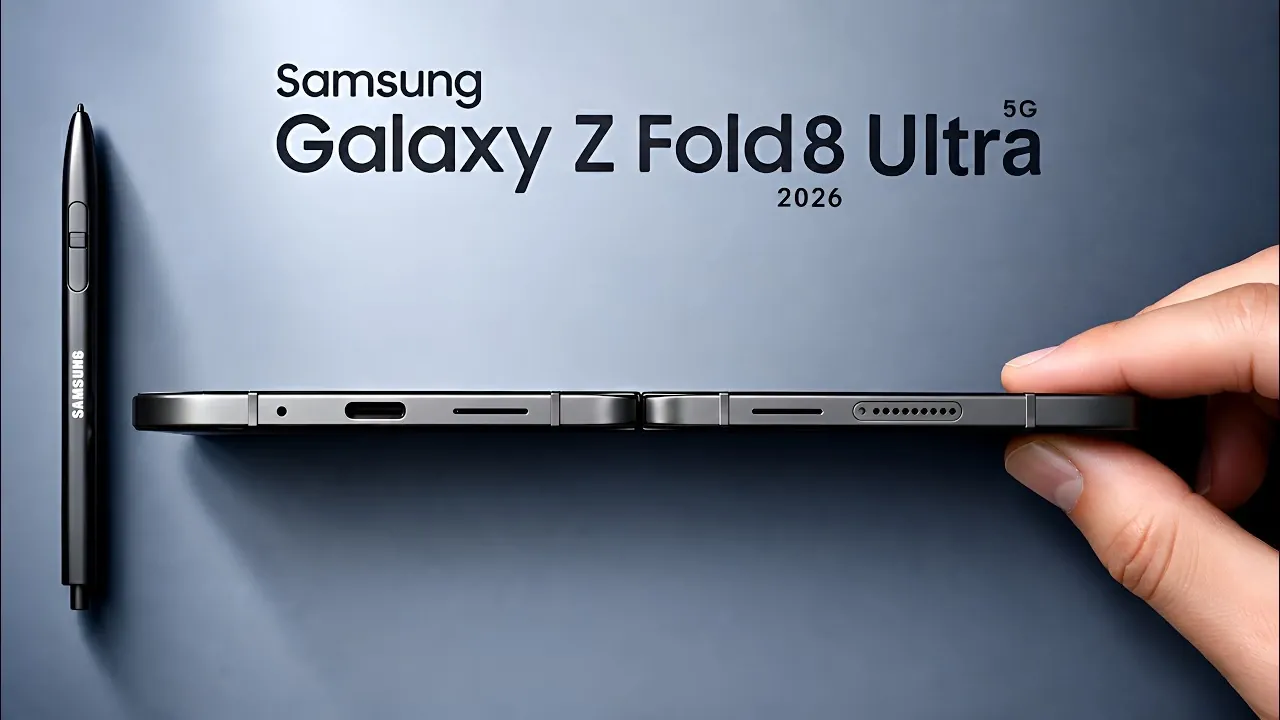
Samsung is poised to reshape the foldable smartphone market with the highly anticipated Galaxy Z Fold 8 and Galaxy Z Fold 8 Ultra. These devices promise a blend of refined design, enhanced features, and strategic compromises, signaling a calculated shift in Samsung’s approach to premium foldable technology. The introduction of the “Ultra” branding represents a bold move, aiming to broaden the appeal of foldable devices while reinforcing Samsung’s dominance in this innovative sector.
By addressing user feedback and refining its offerings, Samsung is setting the stage for what could be a pivotal moment in the evolution of foldable smartphones. The Galaxy Z Fold 8 series is not just about incremental upgrades; it reflects a deliberate strategy to balance innovation with practicality, making sure that foldable devices remain relevant and accessible to a diverse audience.

What’s in a Name? The “Ultra” Branding Explained
The inclusion of the “Ultra” label in the Galaxy Z Fold 8 lineup highlights Samsung’s intent to differentiate its models more clearly. The standard Galaxy Z Fold 8 is expected to focus on practicality and everyday usability, while the Galaxy Z Fold 8 Ultra is designed to cater to users seeking premium features and innovative technology. This naming strategy, however, introduces potential challenges.
The Ultra model may lack certain features traditionally associated with the branding, such as S Pen compatibility or advanced privacy display technology. By segmenting its foldable lineup, Samsung aims to appeal to both mainstream users and high-end buyers. While this approach broadens the potential audience, it could also create confusion among consumers who associate the “Ultra” label with uncompromising performance and innovation.
Design Upgrades: Wider Displays and Enhanced Portability
One of the most notable improvements in the Galaxy Z Fold 8 series is the introduction of a wider outer display, addressing a common criticism of earlier models. This adjustment provides a more traditional smartphone aspect ratio, significantly enhancing usability for tasks like typing, browsing and app navigation. The wider display ensures that users can enjoy a seamless experience without constantly unfolding the device.
Both the Galaxy Z Fold 8 and Fold 8 Ultra are expected to feature thinner and lighter designs, making them more portable and user-friendly. These refinements build on the advancements introduced with the Galaxy Z Fold 7, which set a new standard for durability and reduced bulk. By focusing on these design elements, Samsung continues to prioritize user comfort and practicality without compromising the structural integrity of its foldable devices.
Galaxy Z Fold 8 Ultra: Premium Features with Strategic Limitations
The Galaxy Z Fold 8 Ultra is rumored to include several high-end upgrades, solidifying its position as a flagship device. Among the expected enhancements are a larger 5,000mAh battery and faster 45W charging, catering to power users who demand extended battery life and quick recharging capabilities. Additionally, the Ultra model may feature a 50MP ultra-wide camera, offering improved photography performance for capturing detailed and vibrant images.
However, the Ultra model may also omit certain features, such as S Pen support, advanced privacy display technology and significant improvements to the crease visibility on the inner display. These exclusions could challenge the perception of the “Ultra” branding as synonymous with top-tier innovation. While the device offers a range of premium features, these trade-offs reflect Samsung’s effort to balance cost, design constraints and market positioning.
Balancing Innovation with Accessibility
The Galaxy Z Fold 8 series represents Samsung’s attempt to strike a balance between premium innovation and broader accessibility. By introducing a thinner and lighter design alongside a wider display, Samsung addresses key usability concerns that have historically limited the appeal of foldable devices. These improvements make the Fold 8 lineup more attractive to mainstream users while maintaining the premium appeal of the Ultra model.
However, the series also involves compromises. For example, the potential removal of the telephoto camera in favor of a dual-camera setup may disappoint photography enthusiasts. This decision likely reflects Samsung’s strategy to streamline features and reduce costs, making foldable devices more accessible to a wider audience. While this approach broadens the market appeal, it may not fully satisfy users who expect uncompromising performance from a premium device.
Anticipated Launch and Market Impact
The Galaxy Z Fold 8 and Galaxy Z Fold 8 Ultra are expected to debut at Samsung’s Unpacked event, likely scheduled for late July 2024. This launch will be a critical moment for Samsung as it seeks to solidify its leadership in the foldable smartphone market. By addressing user feedback and refining its designs, Samsung aims to set a new benchmark for foldable devices.
The success of the Galaxy Z Fold 8 series will depend on its ability to resonate with both mainstream and premium users. The combination of wider displays, enhanced portability, and premium features positions Samsung to compete effectively in a growing market. However, the compromises in features and the introduction of the “Ultra” branding will play a significant role in shaping consumer perceptions and determining the overall reception of the lineup.
Looking Ahead
The Galaxy Z Fold 8 series represents a significant step forward in Samsung’s foldable smartphone strategy. With its focus on refined design, practical usability, and premium features, the Fold 8 lineup aims to attract a diverse audience. However, the strategic compromises and the introduction of the “Ultra” branding raise important questions about the balance between innovation and practicality.
As Samsung prepares for its 2024 Unpacked event, the Galaxy Z Fold 8 series will serve as a litmus test for the company’s ability to navigate the evolving demands of the foldable smartphone market. Whether the series succeeds in meeting the expectations of both mainstream and premium users will ultimately determine its impact on the future of foldable technology.
Rumored Samsung Galaxy Z Fold 8 Ultra Specifications
| Feature | Rumored Specification |
| Processor | Qualcomm Snapdragon 8 Elite Gen 5 for Galaxy (3 nm) |
| Internal Display | 8.0-inch Dynamic AMOLED 2X, 120Hz, 2600 nits peak brightness |
| Cover Display | 6.5-inch Dynamic AMOLED 2X, 120Hz |
| Memory (RAM) | 12GB or 16GB LPDDR5X |
| Storage | 256GB / 512GB / 1TB (UFS 4.0, non-expandable) |
| Rear Cameras |
Triple Setup:
• 200 MP Main (f/1.7, OIS, shared with S-Ultra series)
• 50 MP Ultra-wide (Upgraded from 12MP)
• 10 MP Telephoto (3x Optical Zoom, OIS) |
| Front Cameras | 10 MP (Cover) / 10 MP (Internal under-display or punch-hole) |
| Battery Capacity | 5,000 mAh (A 13.6% increase over the traditional 4,400 mAh) |
| Charging Speed | 45W Wired (Upgraded from 25W) / 15W Wireless |
| Build & Durability | IP48 Water & Dust Resistance; Dual-layer UTG (Ultra-Thin Glass) |
| Thickness (Folded) | ~9.0 mm |
| Operating System | Android 16 with One UI 8.x / 9.0 |
Here are more guides from our previous articles and guides related to Samsung Galaxy Z Fold 8 that you may find helpful.
- Samsung Finally Fixed It: The Galaxy Z Fold 8 Wide Ditches the Narrow Screen
- The Crease is Finally Gone: Samsung’s New ‘Dual-Layer’ Glass Tech for the Galaxy Z Fold 8
- Samsung Finally Fixed the Fold: First Look at the Z Fold 8 Wide Design
- Samsung Galaxy Z Fold 8 Surprise: The ‘Wide’ Model is Finally Real
- Samsung Galaxy Wide Fold 8: The Secret flagship that’s outshining the standard Fold
Source & Image Credit: Demon’s Tech
Disclosure: Some of our articles include affiliate links. If you buy something through one of these links, Geeky Gadgets may earn an affiliate commission. Learn about our Disclosure Policy.
