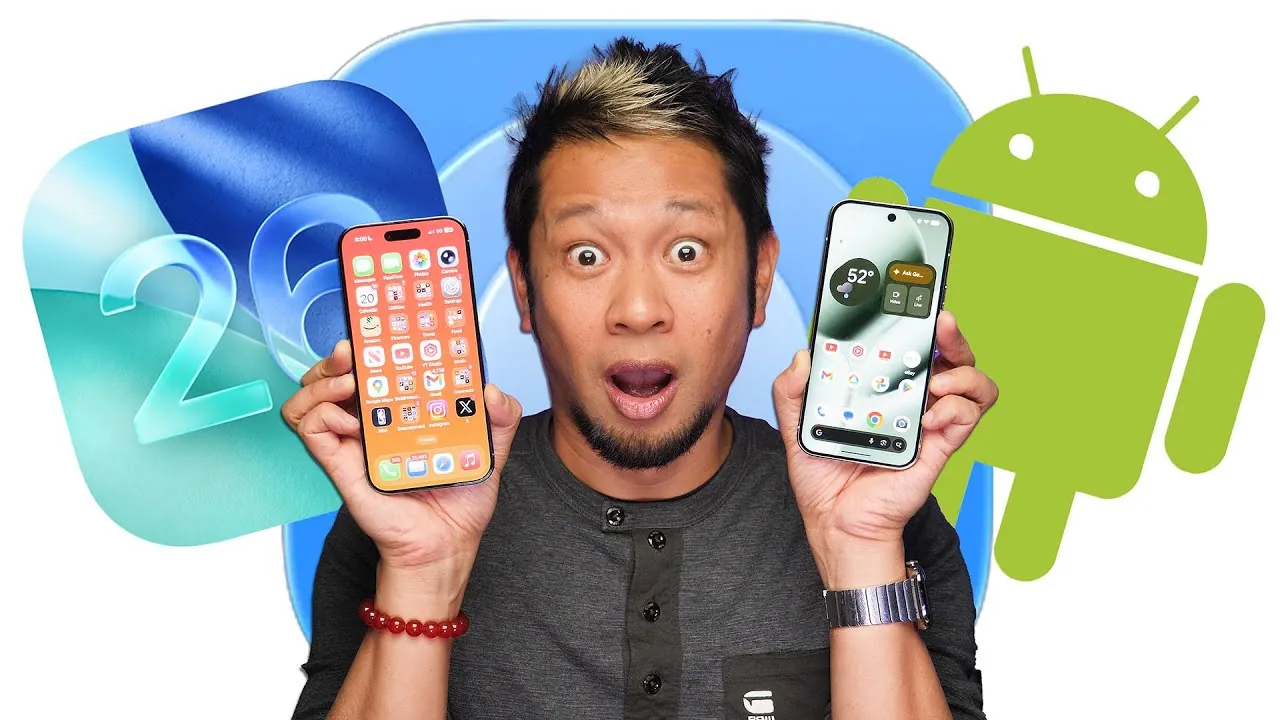
Google has unveiled a new feature that allows direct file sharing between Android and iPhone devices, addressing a long-standing limitation in cross-platform compatibility. By integrating Android’s Quick Share with Apple’s AirDrop, this functionality bridges the gap between the two ecosystems, allowing users to transfer files effortlessly. Currently, the feature is exclusive to Google’s Pixel 10 series, but plans are in place to expand it to other Android devices. This advancement not only simplifies file sharing but also emphasizes privacy and security through peer-to-peer connections, making sure a secure and efficient user experience. The video below from Brian Tong shows us how to do this from your Android device to an iPhone.

Which Devices Are Supported?
The feature is currently limited to specific devices, reflecting a phased rollout approach:
- Android: Google Pixel 10 series, including Pixel 10, Pixel 10 Pro, Pixel 10 Pro XL, and Pixel 10 Pro Fold.
- Apple: iPhones, iPads, and macOS devices equipped with AirDrop functionality.
While this marks a significant step forward, the exclusivity to Pixel 10 devices highlights the need for broader Android support. Google has confirmed its intention to extend this feature to additional Android models, signaling a commitment to improving interoperability across platforms. This expansion could pave the way for a more inclusive and seamless file-sharing experience for a wider range of users.
How Does File Sharing Work?
The process of sharing files between Android and iPhone devices has been designed to be straightforward and user-friendly:
- For Android Users: Pixel 10 users can use Quick Share to locate nearby iPhones and send files directly via AirDrop.
- For iPhone Users: AirDrop can be used to transfer files to Pixel 10 devices that are set to receive mode.
This streamlined approach eliminates the need for third-party apps or cloud-based services, making file transfers faster and more efficient. By using native tools on both platforms, users can enjoy a seamless experience without additional setup or compatibility concerns.
Privacy and Security: A Key Focus
A standout aspect of this feature is its emphasis on privacy and security, making sure that users can share files with confidence. The file-sharing process relies on a direct peer-to-peer connection, which means that data is not routed through third-party servers. This design minimizes the risk of data breaches and ensures that shared content remains private. Additional security measures include:
- No logs are generated during the transfer process.
- No unnecessary or extraneous data is exchanged between devices.
These safeguards reflect a privacy-first approach, making the feature a secure option for users concerned about data protection. By prioritizing security, Google has addressed one of the most critical aspects of cross-platform file sharing.
What’s Next? Future Expansion
Google’s decision to initially limit this feature to the Pixel 10 series appears to be a calculated move to test its functionality and gather user feedback before a broader rollout. The company has already announced plans to extend support to other Android devices, which could make cross-platform file sharing a standard capability in the near future. This expansion has the potential to reduce barriers between Android and iOS users, fostering greater collaboration and connectivity.
As this feature evolves, it could also encourage other tech companies to prioritize interoperability, ultimately benefiting users across different ecosystems. However, the success of this initiative will depend on how quickly Google can expand support and address any technical challenges that arise during the rollout.
Implications for Cross-Platform Collaboration
The introduction of this feature represents a significant milestone in bridging the divide between Apple and Android ecosystems. By allowing direct file sharing, Google has taken a step toward fostering better interoperability between the two platforms. Notably, this feature was developed independently by Google, without collaboration with Apple. While this underscores Google’s commitment to innovation, it also raises questions about Apple’s potential response.
Apple has historically maintained tight control over its ecosystem, and it remains to be seen whether the company will impose restrictions on this functionality in the future. If Apple chooses to limit the feature’s capabilities on iOS devices, it could hinder the broader adoption of cross-platform file sharing. However, if both companies embrace this development, it could signal a new era of collaboration and compatibility in the tech industry.
Challenges Ahead
Despite its promise, this feature faces several challenges that could impact its adoption and effectiveness:
- Apple’s Ecosystem Control: Apple’s strict control over its ecosystem could lead to restrictions that limit the functionality of this feature on iOS devices, potentially creating friction for users.
- Limited Availability: The current restriction to Pixel 10 devices may delay widespread adoption, as many Android users will need to wait for broader support. This exclusivity could slow the feature’s momentum and limit its initial impact.
- Technical Compatibility: Making sure seamless functionality across a wide range of devices and operating systems will require ongoing development and testing, which could present technical challenges.
These obstacles highlight the complexities of achieving true cross-platform compatibility in a competitive and fragmented tech landscape. Overcoming these challenges will be crucial for the long-term success of this initiative.
Shaping the Future of Connectivity
The ability to share files seamlessly between Android and iPhone devices represents a significant step toward reducing platform barriers and enhancing user convenience. By prioritizing privacy, security, and ease of use, Google has introduced a feature with the potential to transform how users interact across ecosystems.
While challenges remain—particularly regarding Apple’s response and the need for broader Android support—this development reflects meaningful progress toward a more interconnected digital world. As the feature expands and evolves, it could redefine the way users collaborate and share information, fostering a more inclusive and unified tech landscape.
Unlock more potential in Android to iPhone file sharing by reading previous articles we have written.
- Wireless File Transfer: iPhone, Android, Mac & PC
- FileLu Cloud Storage Premium Plan: Lifetime Subscription
- Android to iPhone Data Transfer 2025: The Ultimate Guide
- Cloudbrand Team Cloud Storage Plus Plan: Lifetime Subscription
- iPhone vs Android 2025: Key Differences Before You Switch
Source & Image Credit: Brian Tong
Disclosure: Some of our articles include affiliate links. If you buy something through one of these links, Geeky Gadgets may earn an affiliate commission. Learn about our Disclosure Policy.
