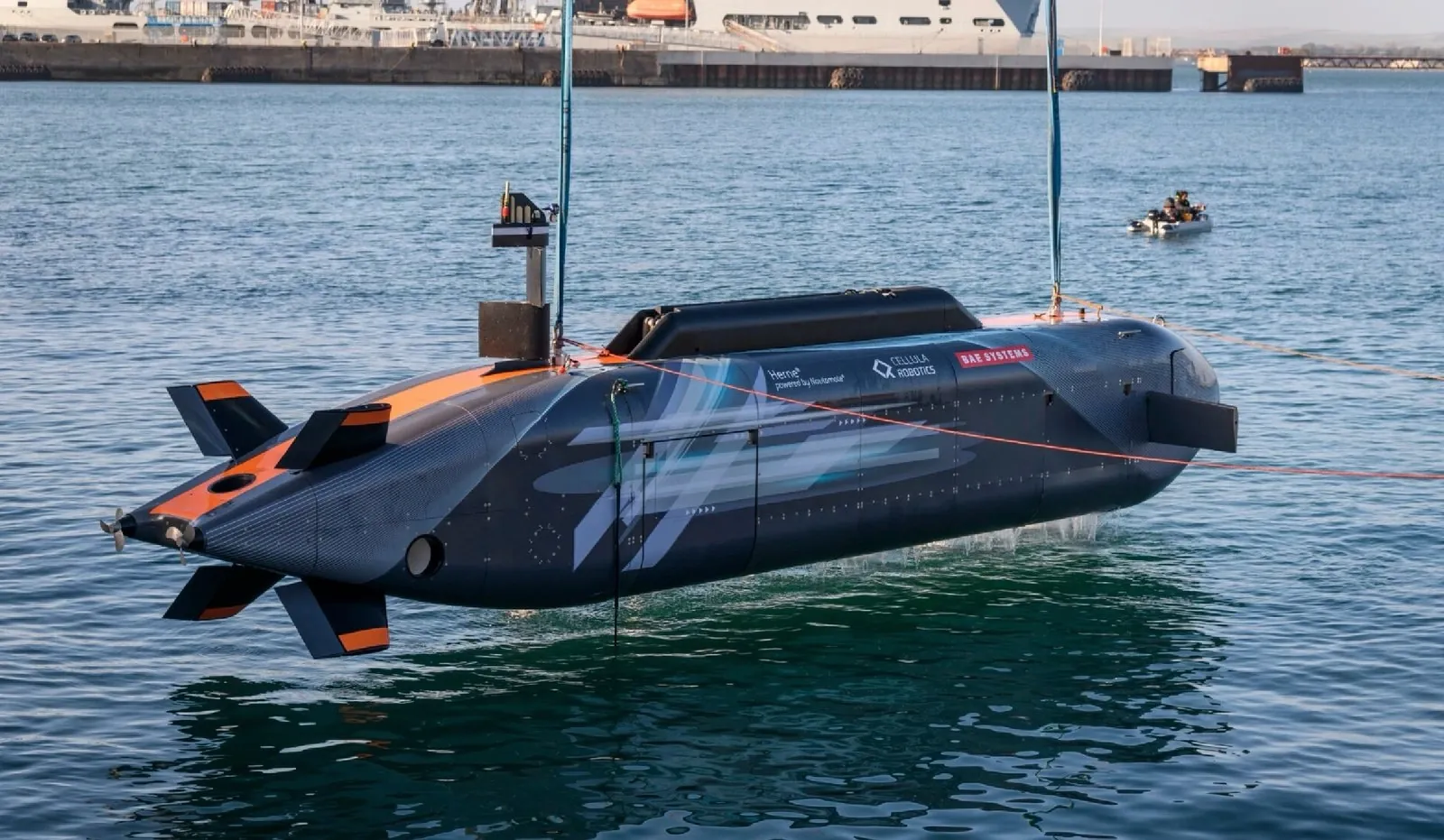
What lies beneath the ocean’s surface is no longer just the domain of marine life and manned submarines. A new frontier is emerging, one where autonomous submarine drones are reshaping the balance of power under the waves. These uncrewed underwater vehicles (UUVs) are not only transforming military operations but also redefining how nations protect critical undersea infrastructure like communication cables and pipelines. With billions of dollars pouring into innovative technologies, from AI-driven navigation systems to energy-efficient designs, the race to dominate the undersea domain has become a high-stakes competition among global powers and tech innovators. But as these machines dive deeper into contested waters, they bring with them a host of new challenges and risks.
This piece explores the rapidly evolving world of UUVs, delving into how they are transforming naval strategies and reshaping maritime defense. From the strategic investments of nations like the U.S. and Australia to the fierce competition among defense giants and agile startups, the undersea battlefield is becoming increasingly crowded. Yet, the story doesn’t end with technological advancements, questions around security, international regulations, and the potential for underwater conflicts loom large. As the undersea domain becomes the next geopolitical flashpoint, the implications for global security and innovation are profound. What will it take to secure dominance in the depths?
Undersea Drone Technology Race
TL;DR Key Takeaways :
- The global race for undersea dominance is intensifying, with nations like the U.S., U.K., and Australia heavily investing in autonomous underwater vehicles (UUVs) to enhance maritime defense and surveillance capabilities.
- Technological advancements, including AI integration, advanced sonar, and energy-efficient designs, are transforming UUVs into versatile tools for anti-submarine warfare, infrastructure protection, seabed cable defense and maritime surveillance.
- UUVs are critical for safeguarding undersea infrastructure, such as power cables and pipelines, while addressing emerging threats like sabotage and “grey zone” tactics in contested waters.
- The UUV market is highly competitive, with defense giants like BAE Systems and Boeing competing against agile startups like Anduril, driving rapid innovation in undersea technologies.
- Challenges such as high maintenance costs, adversarial countermeasures, and operational complexity must be addressed to ensure the long-term effectiveness and strategic value of UUVs in maritime defense.
The race to dominate the undersea domain is intensifying as nations and defense companies invest heavily in autonomous underwater vehicles (UUVs). These uncrewed submarines are transforming naval operations by offering cost-effective, scalable, and versatile solutions to address a range of military and economic security challenges. From countering enemy submarines to protecting critical undersea infrastructure, UUVs are reshaping the future of maritime defense and surveillance.
Global Naval Adoption of UUVs
A significant shift in naval strategy is evident as countries like the United States, United Kingdom, and Australia prioritize the integration of UUVs into their fleets. For instance, Australia’s $1.7 billion investment in Anduril’s “Ghost Shark” program underscores its commitment to countering the increasing presence of Chinese submarines in the Indo-Pacific region. Similarly, the U.S. Navy is allocating billions of dollars to UUV programs, including systems deployable from nuclear submarines, to maintain its maritime superiority. These investments highlight the growing recognition of UUVs as critical tools for addressing emerging threats and securing undersea territories.
The United Kingdom is also advancing its UUV capabilities through initiatives such as “Project Cetus,” which focuses on developing large autonomous underwater vehicles for extended missions. These efforts reflect a broader global trend, with navies worldwide embracing UUVs to enhance their operational reach and effectiveness in contested waters.
Technological Advancements Driving UUV Capabilities
UUVs are not simply unmanned versions of traditional submarines; they are equipped with innovative technologies that significantly enhance their operational capabilities. Recent advancements include:
- Advanced sonar and detection systems: These technologies enable precise navigation, target identification, and situational awareness in complex undersea environments.
- Low-power designs: Energy-efficient systems allow UUVs to operate autonomously for extended periods, reducing the need for frequent maintenance or refueling.
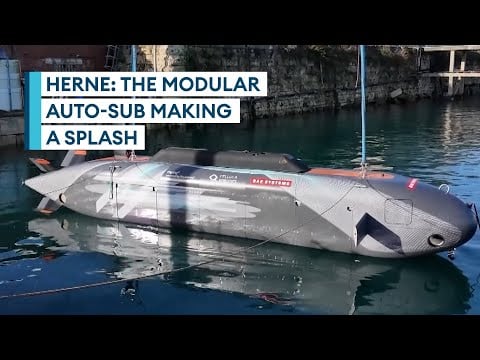
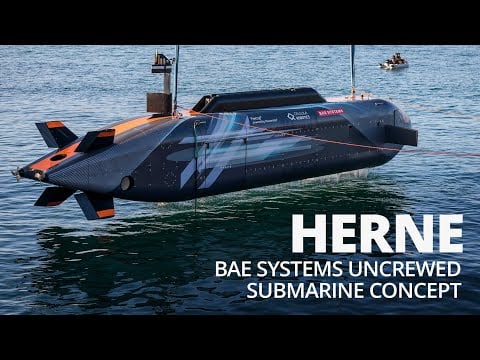
- Compact and scalable platforms: Models like BAE Systems’ Herne and Anduril’s Dive LD are designed to perform diverse missions, from reconnaissance to infrastructure monitoring.
These innovations are redefining the scope of undersea warfare and surveillance, allowing UUVs to undertake tasks that were previously the exclusive domain of manned submarines.
The integration of artificial intelligence (AI) further enhances UUV performance. AI-driven algorithms enable real-time decision-making, adaptive mission planning, and improved threat detection, making UUVs more autonomous and effective in dynamic environments.
Strategic Applications of UUVs
The versatility of UUVs makes them indispensable for both military and economic purposes. Key applications include:
- Anti-Submarine Warfare: UUVs are deployed in strategic regions such as the GIUK Gap and the South China Sea to detect, track, and counter enemy submarines, enhancing maritime security.
- Infrastructure Protection: Critical undersea assets, including power cables, internet lines, and pipelines, are increasingly at risk of sabotage. UUVs equipped with seabed sensors provide continuous monitoring and rapid response capabilities to safeguard these vital resources.
- Maritime Surveillance: UUVs improve situational awareness in sensitive maritime zones by collecting real-time data, allowing early detection of potential threats.
These applications highlight the dual-use nature of UUVs, which serve both defense and economic security objectives. Their ability to operate discreetly and efficiently in contested waters makes them invaluable for modern naval strategies.
Security Concerns in the Undersea Domain
While UUVs offer fantastic capabilities, they also introduce new security challenges. The increasing vulnerability of undersea infrastructure, such as pipelines and communication cables, has become a focal point for potential sabotage. Recent incidents, including heightened Russian naval activity near UK waters, underscore the urgency of addressing these threats. The rise of “grey zone” tactics, covert actions that fall below the threshold of open conflict, further complicates the security landscape.
Another concern is the potential for underwater drone conflicts. As UUVs become more prevalent, the risk of them being targeted or neutralized by adversaries increases. This raises critical questions about the rules of engagement and the need for international agreements to regulate UUV operations. Establishing clear operational guidelines will be essential to mitigate these risks and ensure the safe and effective use of UUVs in contested environments.
Industry Competition: A Crowded Battlefield
The UUV market has become a highly competitive arena, with established defense contractors like BAE Systems, General Dynamics, and Boeing competing against innovative startups such as Anduril and Helsing. Startups argue that their agility and cost-effective solutions give them an edge over traditional defense giants, allowing faster innovation cycles.
Programs like the UK’s “Project Cabot” and NATO’s Atlantic Net initiative aim to accelerate the deployment of UUVs, reflecting the urgency of maintaining a technological edge in undersea operations. This competitive environment is driving rapid advancements in UUV technology, but it also underscores the high stakes involved in achieving dominance in the undersea domain.
Challenges and Risks
Despite their potential, UUVs face several challenges that could limit their effectiveness. These include:
- High Maintenance Costs: The upkeep of large UUV fleets can be expensive, raising concerns about their long-term cost-effectiveness.
- Adversarial Countermeasures: Opponents may develop technologies to detect, exploit, or neutralize UUVs, potentially undermining their strategic value.
- Operational Complexity: Deploying UUVs in contested environments requires advanced coordination, robust counter-countermeasures, and seamless integration with existing naval assets.
Addressing these challenges will require continuous innovation, strategic planning, and international collaboration to ensure that UUVs remain effective in complex operational scenarios.
The Future of UUVs in Maritime Defense
The role of UUVs in maritime defense is set to expand significantly in the coming years. Emerging concepts such as “anti-submarine warfare as a service” are gaining traction, where private companies operate UUVs under military oversight. Testing and deployment in regions like Scotland and Plymouth are paving the way for broader adoption of these models.
As threats evolve, the emphasis on rapid prototyping and deployment will grow, making sure that UUVs remain at the forefront of undersea defense strategies. The integration of advanced technologies, coupled with increased international collaboration, will shape the future of UUVs, solidifying their role as indispensable assets in securing the undersea domain.
For more information on innovative UUV technology, visit BAE Systems Herne.
Media Credit: BAE Systems.
Source: The Guardian
Disclosure: Some of our articles include affiliate links. If you buy something through one of these links, Geeky Gadgets may earn an affiliate commission. Learn about our Disclosure Policy.
