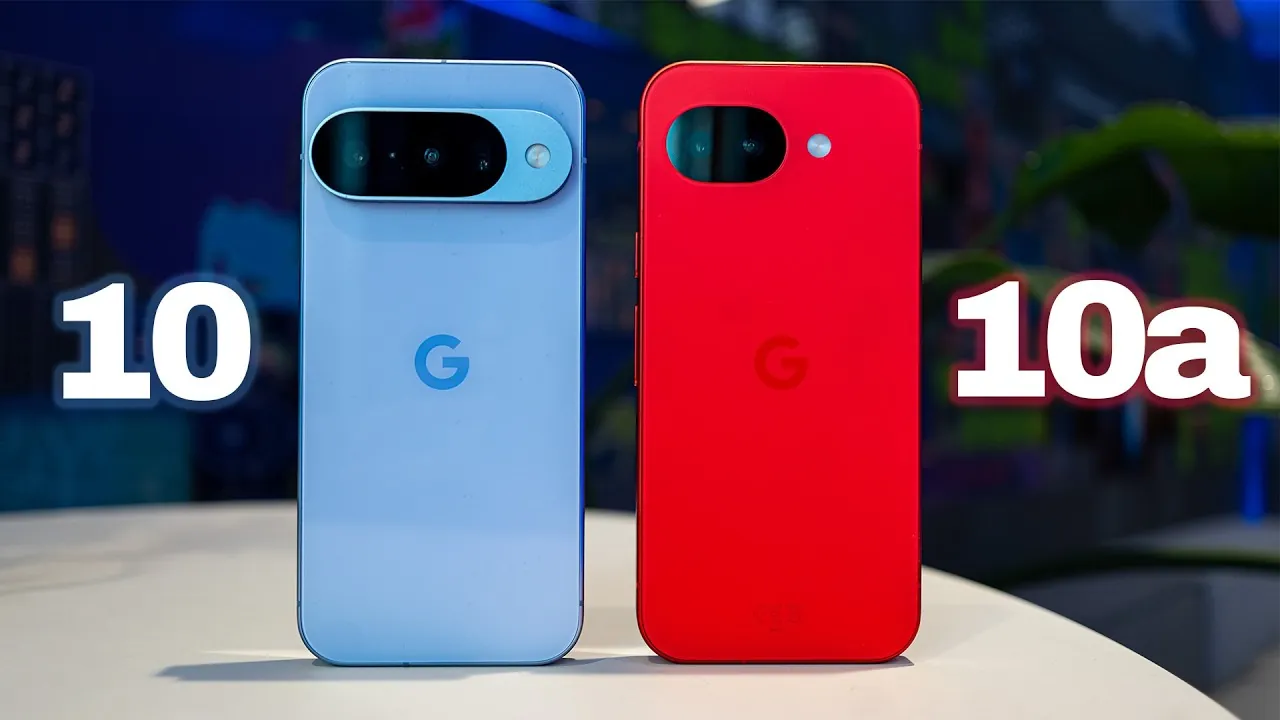
The Pixel 10 and Pixel 10A, while part of the same product family, cater to distinct user needs through differences in design, performance, and features. The Pixel 10 is tailored for those seeking a premium experience, while the Pixel 10A focuses on affordability and practicality. Understanding their unique characteristics can help you make an informed decision about which device aligns with your priorities. The video below from Techmo shows you how the new Pixel 10a compares to the Pixel 10.

Design and Build Quality
The design of the Pixel 10 and Pixel 10A reflects their respective target audiences. The Pixel 10 features a glass back, offering a sleek and premium aesthetic, while the Pixel 10A opts for a durable plastic back, making it more resistant to everyday wear and tear. Both devices are IP68-rated, making sure protection against dust and water, but the Pixel 10 takes durability further with Gorilla Glass Victus 2, which provides enhanced shatter resistance compared to the Gorilla Glass 7i used in the Pixel 10A.
Another notable difference lies in the camera housing. The Pixel 10 has a raised camera module, which adds to its premium design but may be more prone to scratches. In contrast, the Pixel 10A features a flat camera design, prioritizing practicality and reducing the risk of damage. These design choices highlight the Pixel 10’s focus on luxury and the Pixel 10A’s emphasis on functionality.
Display Features
Both devices are equipped with a 6.3-inch OLED display, delivering vibrant colors and deep contrast. However, the Pixel 10 distinguishes itself with slimmer bezels, offering a more modern and immersive viewing experience. This design choice enhances the overall aesthetic appeal of the Pixel 10, making it ideal for users who prioritize a high-end look.
For those sensitive to pulse-width modulation (PWM), the Pixel 10A’s display refresh rate may cause discomfort during prolonged use. The Pixel 10, with its more advanced display technology, is better suited for extended viewing sessions, providing a smoother and more comfortable experience.
Performance and Chipset
Performance is a key area where the Pixel 10 and Pixel 10A diverge. The Pixel 10 is powered by Google’s Tensor G5 chipset, which offers superior processing power and energy efficiency compared to the Tensor G4 found in the Pixel 10A. While benchmark tests clearly favor the Tensor G5, the difference in everyday tasks is less pronounced due to Google’s software optimizations.
Both devices handle multitasking, gaming, and AI-driven features effectively. However, the Pixel 10’s advanced chipset makes it the better choice for users who frequently engage in demanding tasks such as video editing or high-end gaming. The Pixel 10A, while capable, is more suited for casual users who prioritize affordability over innovative performance.
Camera Capabilities
The camera systems on the Pixel 10 and Pixel 10A are another significant point of differentiation. The Pixel 10A features a dual-camera setup, while the Pixel 10 adds a telephoto lens for optical zoom, making it ideal for capturing detailed shots. Both devices share the same main and ultra-wide cameras, making sure excellent image quality in most scenarios.
Interestingly, the Pixel 10A has a slight edge in selfie photography with a 13 MP front camera, compared to the Pixel 10’s 10.5 MP. Both models include AI-assisted features such as Night Sight and Real Tone, allowing stunning photos in various lighting conditions. However, the Pixel 10’s telephoto lens provides greater versatility, making it a better choice for photography enthusiasts who value zoom capabilities.
Battery Life and Connectivity
Battery life is comparable between the two models, with the Pixel 10 housing a slightly larger 5,100 mAh battery compared to the Pixel 10A’s 4,970 mAh. Both devices are designed to last a full day under normal usage, but the Pixel 10 may offer a slight advantage during heavy use due to its more efficient chipset.
One standout feature of the Pixel 10A is its satellite emergency connectivity, which allows users to send emergency messages in areas without cellular coverage. This feature is absent in the Pixel 10, making the Pixel 10A a better choice for outdoor enthusiasts or individuals who frequently travel to remote areas.
Repairability and Longevity
The Pixel 10A excels in terms of repairability, thanks to its design that makes battery replacements easier and more cost-effective. Unlike the Pixel 10, the Pixel 10A’s battery is not glued to the board, reflecting a growing trend toward sustainable and user-friendly devices.
Both phones run Android 16 and are guaranteed seven years of software updates, making sure long-term access to the latest features and security patches. This extended support enhances the longevity of both devices, providing excellent value over time and making sure a reliable user experience.
Price and Value
Affordability is where the Pixel 10A truly shines. Its lower price point, combined with frequent discounts, makes it an attractive option for budget-conscious buyers. On the other hand, the Pixel 10 justifies its higher price with premium features, including a more powerful chipset, enhanced display, and additional camera capabilities.
Ultimately, the choice between the Pixel 10 and Pixel 10A depends on your individual priorities. If you value premium performance, a versatile camera system, and a sleek design, the Pixel 10 is the better option. However, if affordability, repairability, and practical features like satellite connectivity are more important to you, the Pixel 10A offers exceptional value. Both devices benefit from Google’s software optimization and long-term support, making sure a reliable and future-proof experience.
Explore further guides and articles from our vast library that you may find relevant to your interests in Pixel 10 vs Pixel 10A comparison.
Source & Image Credit: Techmo
Disclosure: Some of our articles include affiliate links. If you buy something through one of these links, Geeky Gadgets may earn an affiliate commission. Learn about our Disclosure Policy.
