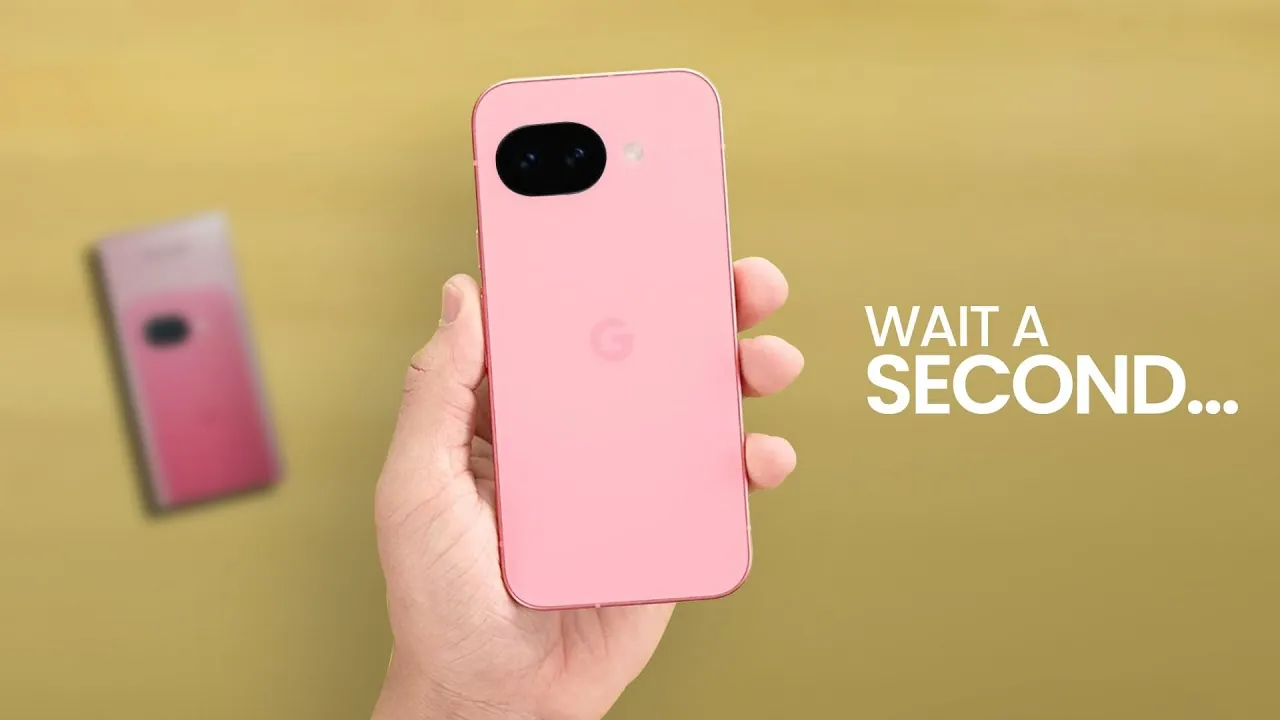
The Google Pixel 10a enters the competitive mid-range smartphone market with a price tag of $499, positioning itself as a device focused on refinement rather than new innovation. While it introduces a handful of enhancements over its predecessor, the Pixel 9a, much of its core hardware and software remains unchanged. This raises an important question: does the Pixel 10a genuinely offer enough to warrant its “new” label, or is it simply a modest iteration of an already familiar formula? The video below from Techtics gives us more details on what to expect from the Pixel 10a.

Design and Display: Polished Yet Predictable
The Pixel 10a adopts a minimalist design philosophy, presenting a sleeker aesthetic with thinner bezels that subtly modernize its appearance. The display, though brighter than before, continues to rely on established technology rather than introducing significant advancements. Notable improvements include:
- Brightness levels reaching up to 2,000 nits in high-brightness mode, with a peak of 3,000 nits for enhanced visibility in direct sunlight.
- A dual refresh rate of 60Hz and 120Hz, offering a balance between smooth performance and battery efficiency.
However, the absence of an LTPO adaptive refresh rate—a feature increasingly common in higher-end devices—limits the display’s ability to dynamically adjust refresh rates for optimal performance and power savings. While these refinements improve usability, they fall short of delivering a truly modernized display experience, leaving the Pixel 10a feeling more like a polished version of its predecessor.
Cameras: Computational Photography Takes Center Stage
The Pixel 10a retains the same camera hardware as the Pixel 9a, featuring:
- A 48 MP main sensor for capturing detailed images.
- A 13 MP ultrawide lens for broader perspectives.
- A 13 MP front-facing camera for selfies and video calls.
Rather than introducing new hardware, Google continues to rely on its expertise in computational photography to enhance image quality. Features like Night Sight for low-light photography and Super Res Zoom for improved zoom capabilities remain highlights. However, the lack of hardware upgrades may leave you questioning whether the Pixel 10a offers a truly improved photography experience. For those familiar with the Pixel 9a, the camera performance may feel largely unchanged, relying on software rather than innovation to stand out.
Performance: Familiar Power with Subtle Tweaks
The Pixel 10a is powered by the Tensor G4 chipset, the same processor found in the Pixel 9a. While Google has made minor optimizations to enhance performance, the decision to stick with the older chipset instead of upgrading to the Tensor G5 is notable. The newer Tensor G5 could have provided:
- Improved energy efficiency, potentially extending battery life.
- Enhanced AI capabilities for faster and more advanced features.
For everyday tasks such as multitasking, app usage, and AI-driven functionalities, the Tensor G4 remains competent. However, in a market where competitors are pushing the boundaries of performance, the Pixel 10a’s reliance on an older chipset may leave you wondering if it truly offers enough to stand out.
Battery and Charging: Reliable but Static
Battery life continues to be a strong suit for the Pixel 10a, delivering dependable all-day usage under typical conditions. However, charging speeds remain unchanged from the Pixel 9a, which may disappoint users seeking faster charging solutions. As competitors in the mid-range segment introduce innovations in charging technology, the Pixel 10a’s lack of progress in this area underscores its incremental nature. While the battery performance is reliable, the absence of advancements in charging capabilities highlights the device’s focus on refinement over innovation.
Pricing and Value: A Question of Worth
Priced at $499, the Pixel 10a matches the launch price of its predecessor, the Pixel 9a. However, with minimal upgrades and the Pixel 9a now available at discounted rates, the value proposition becomes less compelling. For first-time buyers, the Pixel 10a may offer an attractive package, but for those already using the Pixel 9a, the modest improvements may not justify the cost of upgrading. In a market where value is often defined by innovation, the Pixel 10a’s incremental updates may struggle to capture your attention.
Broader Industry Trends: A Reflection of the Market
The Pixel 10a’s approach to incremental updates mirrors a broader trend within the smartphone industry. To maintain affordability, mid-range devices often reuse older hardware, focusing on software optimizations and minor refinements. While this strategy helps control costs, it also limits the potential for significant innovation. For you as a consumer, this trend highlights the importance of carefully evaluating whether a new device truly meets your needs or simply offers a slightly updated version of what you already have.
Final Thoughts: Incremental Progress
The Google Pixel 10a delivers modest improvements in design, display brightness, and software optimization, but it stops short of offering fantastic changes. With its reliance on familiar hardware and features, the Pixel 10a feels more like a refined version of the Pixel 9a than a new release. At the same $499 price point, it may appeal to first-time buyers or those upgrading from much older devices. However, for current Pixel 9a users, the upgrades are unlikely to justify the expense of switching. In a market driven by innovation, the Pixel 10a serves as a reminder that “new” doesn’t always equate to better.
Master Google Pixel 10a with the help of our in-depth articles and helpful guides.
- Google Pixel 10a Specs, Features, and Price Details
- Google Pixel 10 Series: Full Specs, Features, and Pricing
- Google Pixel 10 vs iPhone: Design, Performance, and More
- Honor Pad 10: Affordable Tablet for Productivity and Fun
- Microsoft Surface Windows Phone Concept
Source & Image Credit: Techtics
Disclosure: Some of our articles include affiliate links. If you buy something through one of these links, Geeky Gadgets may earn an affiliate commission. Learn about our Disclosure Policy.
