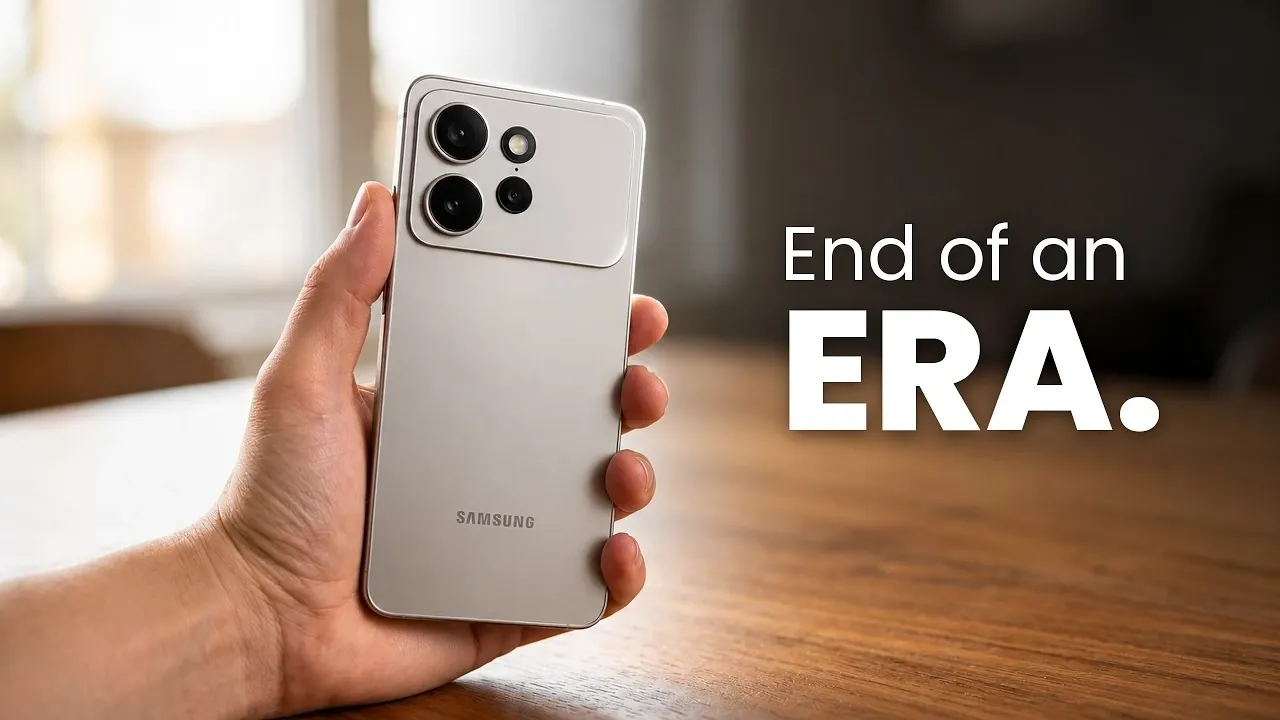
AI-driven software could replace the dedicated laser autofocus sensor on the rumoured Samsung Galaxy S27 Ultra, a flagship smartphone that Samsung has not yet officially announced or confirmed. That reported shift could make a noticeable difference when shooting in dim environments, where a physical laser measures distance without relying on ambient light in the scene. While modern high-resolution image sensors handle far more on-chip focusing than older hardware, how well a software-assisted replacement performs after dark remains an open question—and as with any unannounced device, final specs, features, and release timing remain subject to change, as detailed in a video breakdown from Techtics.
TL;DR Key Takeaways :
- Laser autofocus removal: Tipster Ice Universe claims the Galaxy S27 Ultra drops the physical laser autofocus module in favor of AI focus technology.
- 3x telephoto cut: Rumours also point to the removal of the dedicated 3x zoom camera, streamlining the rear array.
- 2020 focusing history: Samsung added laser autofocus on the Galaxy Note20 Ultra after the Galaxy S20 Ultra’s 108MP sensor struggled with close-ups and focus hunting.
- All-pixel focusing: Since the Galaxy S23 Ultra, Samsung’s 200MP sensor has been able to use every pixel on the chip for phase detection.
- Low-light trade-off: Because a laser measures distance independently of scene brightness, dropping it raises questions about night and indoor focus speed.
Reported hardware revisions for the upcoming Galaxy S27 Ultra suggest Samsung could remove two distinct camera components in a single generation. Alongside a rumoured cut to its mid-range telephoto lens, Samsung may also retire the dedicated laser autofocus module that has been a staple on Ultra flagships for years.
To understand why that change draws scrutiny, it helps to look back at 2020. The Galaxy S20 Ultra debuted with a 108MP primary camera that relied on roughly 3% of its pixels for phase-detection autofocus, leading to sluggish focus locking, noticeable focus hunting, and soft close-up shots. Six months later, Samsung introduced a laser autofocus sensor beside the rear cameras on the Galaxy Note20 Ultra—and every Galaxy S Ultra model since the Galaxy S21 Ultra has kept that hardware aid in place.
A Leaked Sketch Omits Two Camera Parts
A design sketch shared by leaker Ice Universe—which the tipster describes as the final Samsung Galaxy S27 Ultra layout—depicts a primary camera, an ultrawide lens, a 5x periscope telephoto camera, and an LED flash, with no laser autofocus window present. Ice Universe claims the removal of the laser module is confirmed and that Samsung plans to rely on AI focus technology instead.
Combined with separate leaks indicating that Samsung is dropping the dedicated 3x telephoto camera, the Galaxy S27 Ultra could ship with two fewer rear camera components than the Galaxy S26 Ultra. In the leaked layout—which also points toward a cleaner, horizontal camera arrangement—the right side of the rear camera island appears noticeably emptier without the secondary telephoto lens and laser sensor sitting beside the main array.
| Camera Component | Galaxy S26 Ultra | Galaxy S27 Ultra (Rumoured) | Practical Impact |
|---|---|---|---|
| Main Sensor | 200MP wide camera | 200MP wide camera | Uses all-pixel phase detection for subject tracking |
| 3x Telephoto | Dedicated 3x optical camera | Reportedly removed | Mid-range zoom relies on main sensor cropping |
| 5x Telephoto | 50MP 5x periscope optical zoom | 50MP 5x periscope optical zoom | Handles long-range optical magnification |
| Autofocus Assist | Dedicated laser autofocus module | Removed; replaced by AI focus | Relies on sensor pixels and software in dim light |
Newer Sensors Can Do More Focusing Work
There is a technical case for why Samsung might feel comfortable retiring the laser module today. Starting with the Galaxy S23 Ultra, Samsung’s 200MP ISOCELL sensor gained the ability to use 100% of its pixels for phase-detection autofocus—a massive leap over the sparse focusing pixel coverage on 2020’s 108MP sensor. Dedicated mirrorless cameras from brands like Canon and Sony also deliver rapid, reliable autofocus purely through on-sensor phase detection and AI subject recognition without needing an external laser rangefinder.

In bright daylight or well-lit indoor rooms, modern full-pixel autofocus paired with machine-learning subject tracking can lock onto eyes, faces, and moving objects almost instantaneously. Under those conditions, most users would likely never notice the absence of a physical laser emitter.
Why Low-Light and Close-Up Shots Remain a Concern
Where a physical laser autofocus sensor earns its keep is in challenging lighting—such as dimly lit restaurants, evening street scenes, or close-up macro subjects after dark. Because an infrared laser projects its own invisible beam and measures time-of-flight distance directly, it does not depend on visible contrast or ambient light hitting the image sensor.
Without that hardware distance check, an AI-assisted on-sensor focus system has to extract enough signal from dark frames to judge depth accurately. Separate leaks have also suggested that Samsung could reserve faster next-generation RAM and storage for higher-priced Galaxy S27 Ultra configurations—raising sensitivity around any hardware cuts on a flagship expected to sit at the top of Samsung’s early-2027 lineup.
As Techtics points out, dropping the laser module would not automatically be a downgrade if Samsung’s sensor hardware and AI focus algorithms lock onto subjects just as quickly and reliably in real-world use. However, trimming physical camera components to save bill-of-materials costs while keeping Ultra pricing high would be tough to justify if low-light focus speed slips.
Your everyday photography habits will determine how much this rumoured hardware shift matters. If you frequently take close-up shots or candid photos in dark rooms, how well the Galaxy S27 Ultra’s reported AI focus handles low-light scenes will be one of the key details to watch once official hardware arrives. Remember that Samsung has not yet announced the Galaxy S27 Ultra, so its camera array, autofocus system, and launch schedule remain unconfirmed and subject to change.
Discover other guides from our vast content that could be of interest on Samsung Galaxy S27 Ultra.
- Samsung’s Galaxy S27 Ultra Camera Shakeup Changes Everything
- Leaked Galaxy S27 Ultra Specs Point to a Massive Battery and Camera Overhaul
- The Samsung Galaxy S27 Ultra Leak That Completely Changes What We Expected
- Samsung Galaxy S27 Ultra Details Leak Ahead of Early 2027 Launch
Source & Image Credit: Techtics
Disclosure: Some of our articles include affiliate links. If you buy something through one of these links, Geeky Gadgets may earn an affiliate commission. Learn about our Disclosure Policy.
