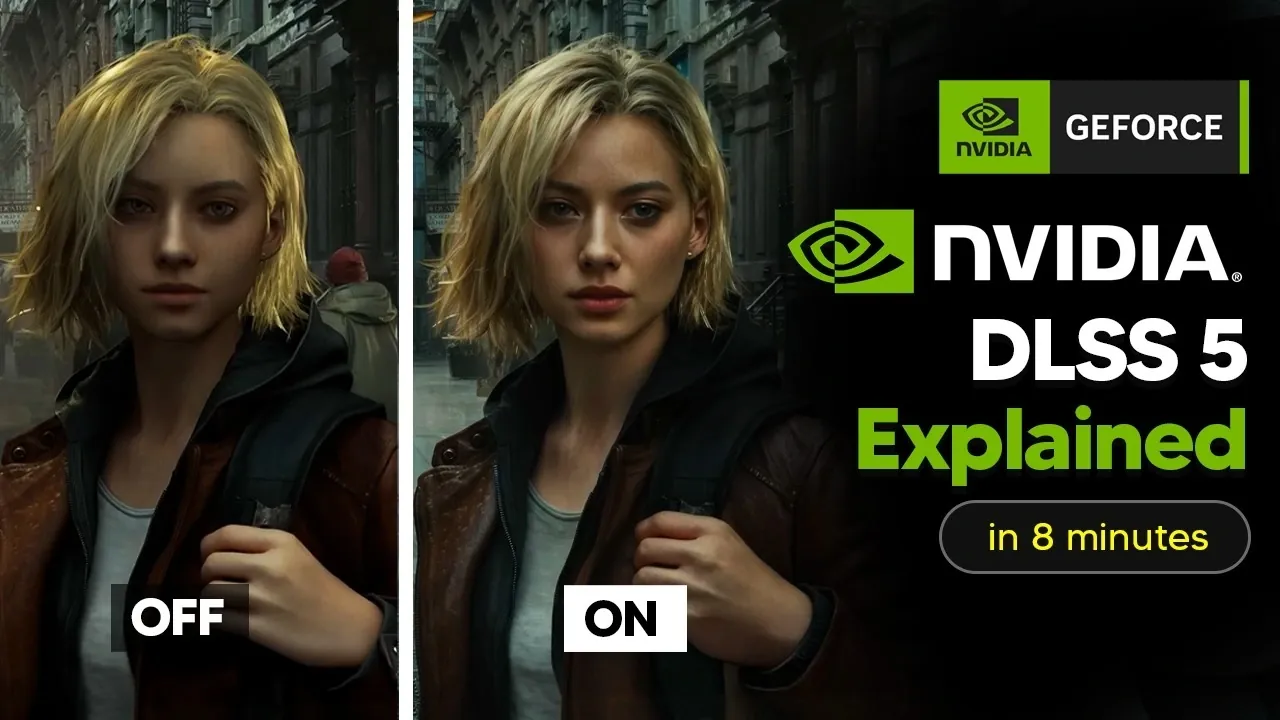
NVIDIA’s DLSS 5 represents a significant leap in AI-driven graphics, introducing a neural rendering model that fundamentally changes how visuals are processed in gaming. By adding an AI-driven pass to the traditional rendering pipeline, DLSS 5 enhances elements like lighting, shadows and reflections, creating a more immersive experience. AI Grid’s analysis provide more insights into how features such as subsurface scattering, which simulates light interacting with translucent materials like skin and fabric sheen, which captures the interplay of light on textiles, contribute to this heightened realism. These advancements are achieved without altering the core geometry or textures, making sure that the original artistic intent remains intact.
Explore how DLSS 5 prioritizes visual fidelity over performance, a shift from earlier versions that focused on frame rates and upscaling. Gain insight into the hardware demands of this technology, including its optimal performance with dual RTX 5090 GPUs and consider the implications for accessibility. Additionally, the breakdown examines ethical concerns, such as the influence of AI on creative decisions and the potential for biases in neural rendering. These takeaways provide a comprehensive understanding of DLSS 5’s role in reshaping the boundaries of gaming visuals and the broader conversations it sparks about AI’s place in creative industries.
The Mechanics Behind DLSS 5
TL;DR Key Takeaways :
- DLSS 5 introduces advanced neural rendering, using AI to achieve unprecedented visual realism in gaming, enhancing lighting, materials and scene rendering.
- Key features include subsurface scattering for realistic skin rendering and fabric sheen for lifelike textile effects, all without altering game geometry or textures.
- DLSS 5 prioritizes graphical fidelity over performance, requiring high-end hardware like dual RTX 5090 GPUs, raising concerns about accessibility for gamers with older systems.
- Controversies include AI biases in rendering, challenges to artistic control and ethical concerns about AI’s influence on creative industries and societal standards.
- Despite debates, DLSS 5 is widely adopted by major publishers, signaling a fantastic shift in gaming technology and sparking discussions about AI’s future role in creativity and development.
DLSS 5 operates by integrating a sophisticated neural rendering model into the traditional rendering pipeline, fundamentally altering how visuals are processed. Unlike conventional methods that rely solely on game engine outputs, DLSS 5 introduces an AI-driven pass that refines the interaction of light with objects and materials. This additional layer of processing enhances key visual elements such as lighting, shadows and reflections, creating a more immersive and lifelike gaming experience.
Key examples of DLSS 5’s capabilities include:
- Subsurface scattering: This simulates how light penetrates translucent materials, such as human skin, to produce a more natural and realistic appearance.
- Fabric sheen: The nuanced interplay of light on textiles, adding depth and realism to clothing and other materials.
These enhancements are achieved without altering the underlying geometry or textures, making sure that the core artistic vision of the game remains intact while elevating its visual fidelity.
Technological Innovations and Hardware Demands
DLSS 5 introduces several advanced features that distinguish it from earlier versions, pushing the boundaries of real-time rendering. Among its most notable innovations are:
- Photorealistic rendering: Enhanced depiction of materials such as skin, hair and fabrics, bringing characters and environments closer to lifelike representation.
- Neural rendering optimization: The AI model dynamically adjusts rendering techniques to achieve the highest possible visual quality in real-time.
- Hardware requirements: Currently, DLSS 5 performs optimally with two RTX 5090 GPUs, though NVIDIA has announced plans to optimize the technology for single GPU setups in the near future.
While these advancements highlight the potential of AI in gaming, they also underscore the trade-offs in terms of hardware demands. The steep requirements may limit accessibility for gamers with older systems, raising questions about inclusivity and the pace of technological adoption.

Gain further expertise in NVIDIA by checking out these recommendations.
- NVIDIA DLSS 5 Real-Time Neural Rendering Explained
- NVIDIA Buys Groq : Licensing Targets Cheaper Inference
- NVIDIA Releases Open Source Nitrogen, Aimed Beyond Games
- GTC 2026 Nemoclaw Launch & AI Agent Updates
- NVIDIA Risk : Datacenter Spend vs Device-Side AI Momentum
- NVIDIA Groq Licensing Explained, $20B Deal Reshapes AI Chips
- PersonaPlex Voice AI : Full-Duplex Chat with Low Latency
- NVIDIA NemoClaw at GTC 2026: OpenClaw Enterprise Security
- AI News, NVIDIA Vera Rubin Aims at 10M Token Context Windows
- How NVIDIA’s Plan Moves AI from Chips to Factory-Scale Systems
Shifting Priorities: DLSS 5 vs. Previous Versions
DLSS 5 represents a significant shift in focus compared to its predecessors. Earlier iterations, such as DLSS Super Resolution and Frame Generation, prioritized performance enhancements, including upscaling lower-resolution images and improving frame rates. These features aimed to make high-quality gaming more accessible across a range of hardware configurations.
In contrast, DLSS 5 places a stronger emphasis on achieving unparalleled visual realism. By prioritizing graphical fidelity over performance, it caters to gamers and developers seeking innovative visuals. However, this shift introduces challenges, such as increased hardware requirements and potential performance trade-offs, particularly for users with older or mid-range systems. This evolution reflects NVIDIA’s broader strategy to push the boundaries of what is visually possible in gaming, even if it means narrowing the audience in the short term.
Controversies and Ethical Considerations
Despite its technical achievements, DLSS 5 has sparked debates within the gaming community and beyond. Several concerns have emerged regarding its implementation and broader implications:
- AI biases: The neural rendering model in DLSS 5 has been observed to unintentionally alter character appearances, a phenomenon sometimes referred to as “yassification.” This raises questions about the influence of AI on creative decisions and the potential reinforcement of societal beauty standards.
- Artistic control: While developers have the option to customize or disable DLSS 5 effects, modders can override these settings, potentially leading to unintended visual changes. This dynamic challenges the balance of creative authority between developers, players and AI systems.
These controversies highlight broader concerns about the role of AI in creative industries. As generative AI becomes more prevalent, some fear it could undermine traditional artistic processes by automating tasks that were once the domain of human creators. This tension underscores the need for thoughtful regulation and ethical guidelines to ensure AI serves as a tool for enhancing creativity rather than replacing it.
Adoption and the Future of AI in Gaming
Despite the controversies, DLSS 5 has been embraced by major game publishers, including Bethesda, Capcom, Ubisoft and Warner Bros. Over a dozen upcoming titles are confirmed to feature DLSS 5 integration, signaling strong industry interest in neural rendering technologies. This widespread adoption reflects a growing recognition of AI’s potential to transform gaming, not only in terms of visuals but also in how games are developed and experienced.
Looking ahead, the implications of DLSS 5 extend far beyond gaming. As neural rendering and generative AI continue to evolve, they could enable the creation of fully AI-generated environments, reshaping the landscape of game development. However, this potential also brings challenges, including the need for ethical considerations and a careful balance between innovation and artistic integrity. The future of gaming will likely depend on how these technologies are integrated and regulated, making sure they enhance rather than diminish the creative process.
Broader Implications for Creativity and Technology
The reception to DLSS 5 has been mixed, reflecting the complexity of its impact on the gaming industry. On one hand, it has been celebrated for its ability to deliver new visual improvements, setting a new benchmark for realism in gaming. On the other hand, it has faced criticism for its steep hardware requirements, potential misuse and the broader ethical questions it raises about AI’s role in creative industries.
As a gamer or developer, DLSS 5 invites you to consider its broader implications. Will AI-driven graphics serve as a tool to enhance creativity, or will they blur the lines between human artistry and machine-generated content? These questions are central to the ongoing evolution of gaming technology, shaping how innovation and creativity intersect in the years to come.
Media Credit: TheAIGRID
Disclosure: Some of our articles include affiliate links. If you buy something through one of these links, Geeky Gadgets may earn an affiliate commission. Learn about our Disclosure Policy.
