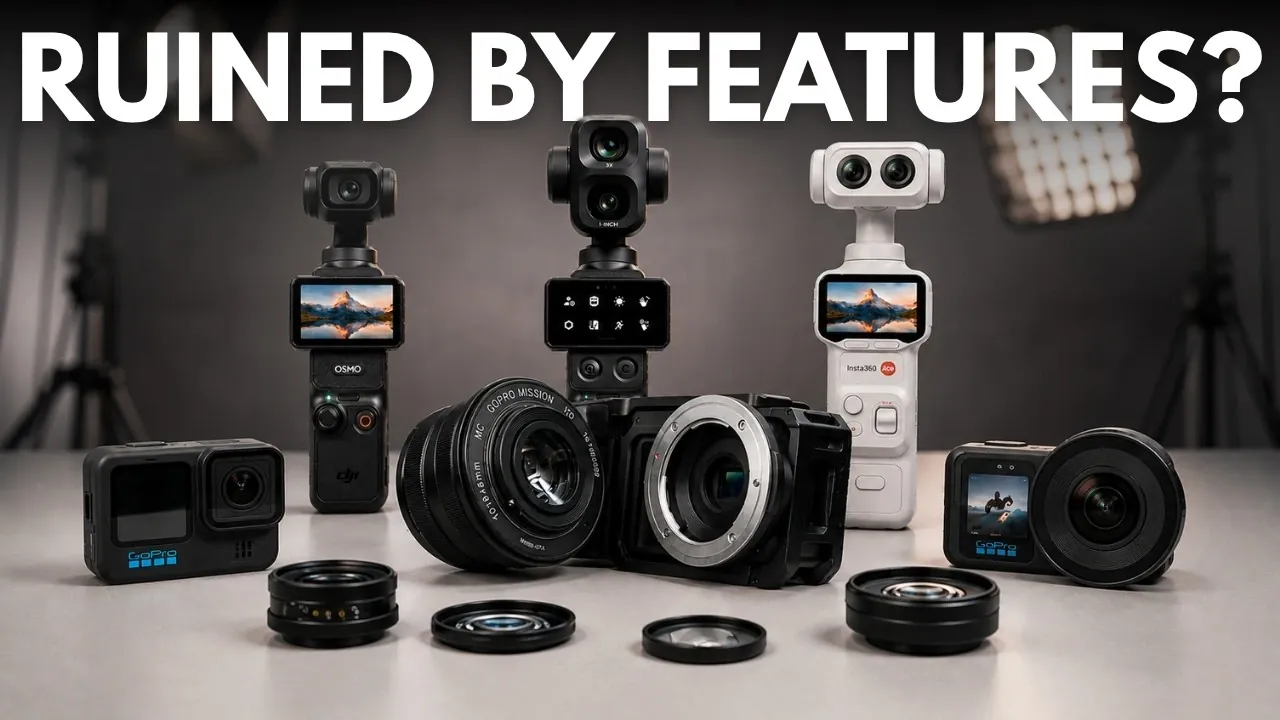
The evolving design of creator cameras is reshaping how they are categorized and used. As Tech Court explains, distinctions between devices like action cameras, smartphones and mirrorless systems are fading. For example, action cameras such as the GoPro Mission 1 Series now feature cinema-grade capabilities like interchangeable lenses, while smartphones integrate advanced stabilization and high-quality audio that rival traditional setups. This overlap has expanded creative options but also introduced complexities for creators who prioritize straightforward workflows.
Explore the trade-offs that come with increasingly feature-rich camera systems. Learn how modular designs, such as the Insta360 Luna Ultra, provide adaptability while requiring more effort to operate. Gain insight into why some creators are gravitating toward simpler designs and how this preference reflects broader cultural shifts within the creator community.
The Blurring Lines Between Camera Categories
TL;DR Key Takeaways :
- The camera industry is undergoing a transformation, with distinct categories like action cameras, smartphones and mirrorless systems merging in features and functionality, creating hybrid devices.
- Feature convergence has blurred the lines between camera types, making it harder for creators to choose the right tool for their specific needs.
- Examples of this trend include GoPro’s cinema-grade features, DJI Pocket’s advanced filmmaking tools and Insta360’s modular customization, which enhance capabilities but add complexity.
- The growing complexity of modern cameras, with modular systems and intricate workflows, is frustrating creators who value simplicity and spontaneity in their creative process.
- Creators are increasingly seeking tools that balance innovation with usability, emphasizing intuitive design and efficiency over excessive technical features.
The boundaries that once defined different types of cameras are becoming less distinct. Action cameras now feature cinematic capabilities, smartphones integrate advanced stabilization and professional-grade audio and mirrorless cameras are becoming more compact while retaining versatility. This trend is largely driven by manufacturers’ efforts to create all-in-one devices that cater to a wide range of creative needs. However, this push for versatility comes at a cost. The unique identities of these tools are being overshadowed by overlapping features, making it increasingly challenging for creators to select the right tool for their specific needs.
For example, action cameras, once synonymous with rugged, on-the-go footage, now offer features traditionally associated with high-end filmmaking. Similarly, smartphones, which were initially designed for convenience and portability, now rival dedicated cameras in terms of image quality and functionality. While this evolution has broadened creative possibilities, it has also blurred the lines between categories, leaving creators to navigate a more complex decision-making process.
Examples of Feature Convergence
Recent product launches illustrate the ongoing trend of feature convergence across camera categories:
- GoPro Mission 1 Series: Known for its durability and action-focused design, GoPro has expanded its capabilities to include cinema-grade features such as interchangeable lenses and professional audio workflows, moving far beyond its original purpose.
- DJI Pocket 4P: Initially a compact, stabilized camera for casual use, it has evolved into a sophisticated filmmaking tool with advanced controls, modular add-ons and enhanced cinematic capabilities.
- Insta360 Luna Ultra: This device emphasizes modularity, allowing creators to customize their workflows with interchangeable components. However, this flexibility often comes at the expense of simplicity and ease of use.
While these advancements offer creators more tools and options, they also demand greater effort to set up and operate. The trade-off between flexibility and simplicity has become a central issue, as creators must weigh the benefits of advanced features against the time and energy required to use them effectively.

Enhance your knowledge on cameras by exploring a selection of articles and guides on the subject.
- Samsung Galaxy S27 Ultra Camera Breakthrough: What We Know So Far
- DJI Osmo Pocket 4P Global Launch is Finally Here
- iPhone 18 Pro & iPhone Fold Leaks: Specs, 2nm A20 Chip, and Release Date
- Leaked: iPhone 18 Pro Production Begins for Apple’s First DSLR-Style Camera Mechanism
- Why the Samsung Galaxy S27 Ultra’s LOFIC Sensor is the Biggest Camera Jump Since the S23 Ultra
- The Galaxy S27 Ultra Camera Island is Gone: Samsung’s Sleekest Design in a Decade
- DJI Pocket 4 vs Insta360 Luna : the Pocket Gimbal War Just Got Real
- Samsung Galaxy S27 Ultra Tipped for Massive 1/1.12-inch Sensor and Pro-Grade LOFIC Tech
- How the Insta360 Luna Ultra Challenges DJI’s Cinematic Dominance
- Samsung Galaxy S27 Ultra Leaks Reveal New Silicon-Carbon 5,500 mAh Battery
Flexibility vs Simplicity: A Growing Tension
As cameras become more feature-rich, they also become more complex to use. Modular systems, interchangeable lenses and professional workflows require additional setup, charging and decision-making. This added complexity can detract from the spontaneity that many creators value. Historically, the most beloved tools succeeded because they were intuitive and easy to use, allowing creators to focus on their craft rather than the technology.
For instance, modular systems may offer unparalleled customization, but they also introduce logistical challenges. Creators must manage multiple components, ensure compatibility and dedicate time to learning intricate workflows. While these tools are powerful, they can also feel cumbersome, particularly for those who prioritize immediacy and ease of use in their creative process.
Why Complexity Frustrates Creators
The growing complexity of modern camera ecosystems has left many creators feeling overwhelmed. Accessories, modular components and intricate workflows can make the creative process feel more like managing a production studio than using a tool designed for storytelling. This frustration often stems from a disconnect between the tools’ intended purpose and their actual usability. Instead of empowering creativity, these devices can create barriers, forcing creators to spend more time troubleshooting and managing gear than producing content.
For creators who value spontaneity and accessibility, this shift represents a significant challenge. The tools that once enabled effortless creativity now require extensive preparation and technical knowledge. As a result, many creators are beginning to question whether the added features are worth the trade-offs in usability and simplicity.
A Shift in Creator Culture
As the industry continues to prioritize feature-heavy devices, a cultural shift is emerging among creators. Many are nostalgic for simpler tools that prioritize ease of use and accessibility. Spontaneity and simplicity are increasingly being seen as premium features, reflecting a broader desire for tools that reduce friction and allow creators to focus on storytelling rather than navigating technical hurdles.
This shift highlights a growing demand for tools that strike a balance between innovation and usability. Creators are seeking devices that enhance their creative process without adding unnecessary complexity. The emphasis is shifting away from raw technical capabilities and toward tools that empower creators to work intuitively and efficiently.
The Path Forward for Creator Cameras
The future of creator cameras depends on how well manufacturers can balance innovation with usability. While advanced features and modularity appeal to some, many creators are looking for tools that simplify the creative process. Companies that prioritize reducing friction and streamlining workflows are likely to resonate more with creators who value efficiency and ease of use.
Ultimately, innovation is only meaningful if it serves the needs of creators. The challenge for the industry lies in designing tools that empower creativity without overwhelming users. By focusing on intuitive design and practical functionality, manufacturers can ensure that technology remains an enabler, not an obstacle, in helping creators bring their visions to life.
Media Credit: Tech Court
Disclosure: Some of our articles include affiliate links. If you buy something through one of these links, Geeky Gadgets may earn an affiliate commission. Learn about our Disclosure Policy.
