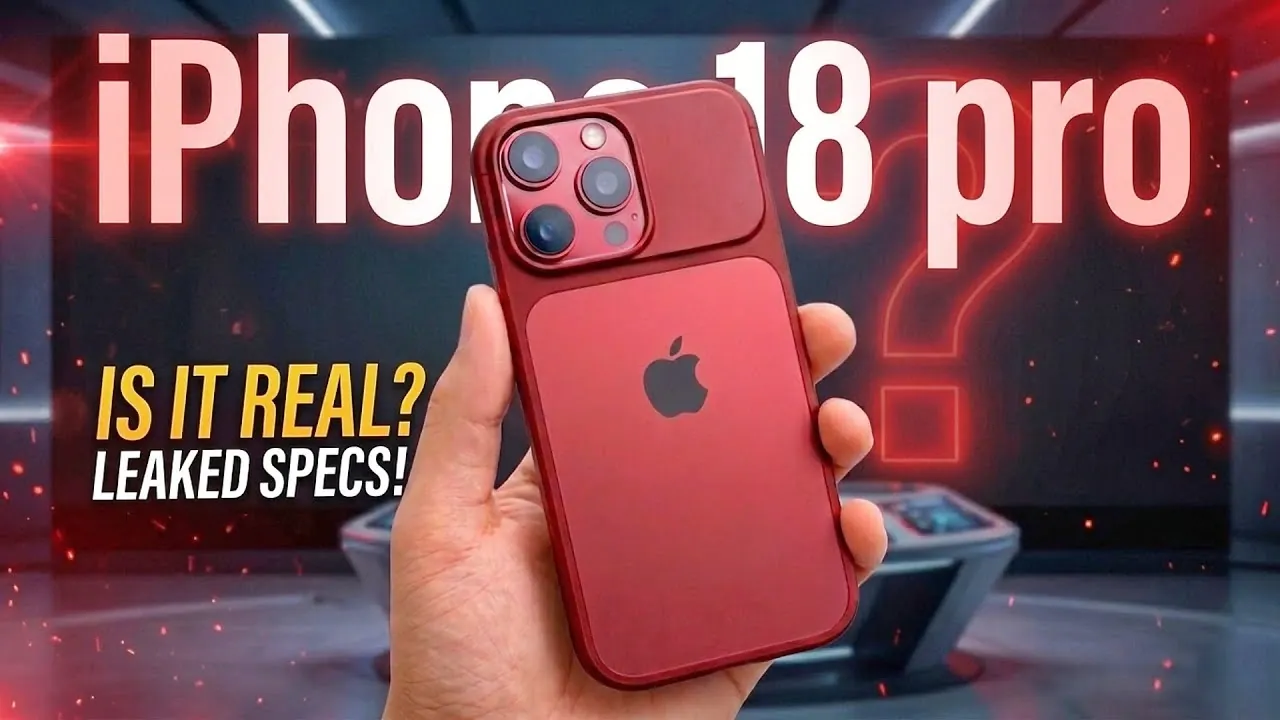
The iPhone 18 Pro is set to usher in a new chapter in smartphone photography with its innovative variable aperture system. This innovative hardware feature, inspired by DSLR technology, allows the camera to physically adjust its aperture size, optimizing light intake for superior image quality across diverse lighting conditions. Unlike the software-driven advancements that have dominated the industry in recent years, this marks a pivotal shift toward hardware innovation, promising a more authentic and professional photography experience. The video below from Tech Town gives us more details about the leaked iPhone 18 Pro.

Understanding the Variable Aperture System
The variable aperture system represents a significant leap forward in smartphone camera design. Unlike fixed apertures or software-based solutions, this technology enables the camera lens to physically adjust its aperture size. This adjustment directly influences the amount of light entering the camera sensor, providing precise control over exposure and depth of field.
Here’s how the system works:
- In low-light settings, the aperture widens to allow more light to reach the sensor, reducing noise and enhancing detail.
- In bright environments, the aperture narrows to prevent overexposure, making sure clarity and balance in the image.
- It enhances background blur (bokeh) and depth perception, making it ideal for portraits and close-up photography.
The result is a camera that produces images with a natural, professional quality, rivaling those captured by dedicated DSLR cameras. This feature offers you greater creative control, whether you’re photographing a dimly lit scene, a brightly lit landscape, or a detailed close-up.
The Production Process and Supply Chain
The development of the variable aperture system involves a highly sophisticated production process, relying on a global network of Apple’s trusted partners. Key components, such as the actuators responsible for precise aperture adjustments, are being manufactured by Sunny Optical and Lux Share ICT. These actuators are critical to making sure the smooth and accurate operation of the system.
LG Inotech plays a pivotal role in assembling the camera modules, integrating the variable aperture system with other advanced components. Notably, production for this feature has commenced earlier than usual, reflecting Apple’s dedication to delivering a polished and reliable product. This accelerated timeline underscores Apple’s strategy to maintain its leadership in smartphone innovation while setting new benchmarks for quality and performance.
Transforming Smartphone Photography
The introduction of the variable aperture system has the potential to redefine how you capture photos with your smartphone. By offering DSLR-like control over exposure and depth, this feature enables users to take images with greater precision and artistic intent. Here’s what you can expect from this innovation:
- Sharper focus and enhanced background blur for portraits and macro photography.
- Improved performance in low-light conditions, with reduced noise and better detail retention.
- More natural and authentic image quality, free from the distortions often introduced by software-based solutions.
While computational photography has made remarkable progress in recent years, it often relies on algorithms that can struggle to deliver true-to-life results. The hardware-driven approach of the variable aperture system bridges this gap, offering a more accurate and realistic representation of the scene. This advancement is particularly beneficial for photography enthusiasts seeking greater creative control and higher-quality results.
Implications for the Smartphone Industry
Apple’s adoption of the variable aperture system is likely to have far-reaching implications for the smartphone industry. As a market leader, Apple’s innovations often set trends that competitors follow, and this feature is no exception. If successful, it could inspire a shift toward hardware-centric advancements in smartphone photography, moving beyond the current reliance on computational techniques.
Competitors such as Samsung, Google, and Xiaomi may feel compelled to develop their own versions of this technology to remain competitive. This could lead to a new era of smartphone cameras that prioritize optical precision and mechanical innovation, ultimately benefiting consumers with more advanced photography tools. The ripple effect of Apple’s innovation may also accelerate the adoption of similar features in mid-range and budget smartphones, making high-quality photography accessible to a broader audience.
Availability and Future Prospects
Mass production of the iPhone 18 Pro’s variable aperture system is expected to begin by mid-2026, aligning with Apple’s typical product launch schedule. This timeline suggests that the feature will be a central focus of the iPhone 18 Pro’s design and marketing, emphasizing its importance to Apple’s vision for the future of smartphone photography.
As this technology becomes more widespread, it has the potential to trickle down to more affordable devices over time. Much like the adoption of dual-camera setups and night mode, the variable aperture system could eventually become a standard feature across the industry. This widespread access of advanced photography tools would enable more users to capture high-quality images, regardless of their device’s price point.
A Bold Step Forward
The iPhone 18 Pro’s variable aperture system represents a significant step forward in smartphone photography. By focusing on hardware-based improvements, Apple is addressing limitations that software alone cannot overcome. This innovation promises to elevate image quality across a range of scenarios, from low-light environments to macro photography, offering users greater creative control and flexibility.
As production ramps up and competitors take notice, the variable aperture system could redefine expectations for smartphone cameras. Whether you’re a casual user or a photography enthusiast, this feature has the potential to transform how you capture and experience the world through your smartphone.
Source & Image Credit: Tech Town
Disclosure: Some of our articles include affiliate links. If you buy something through one of these links, Geeky Gadgets may earn an affiliate commission. Learn about our Disclosure Policy.
