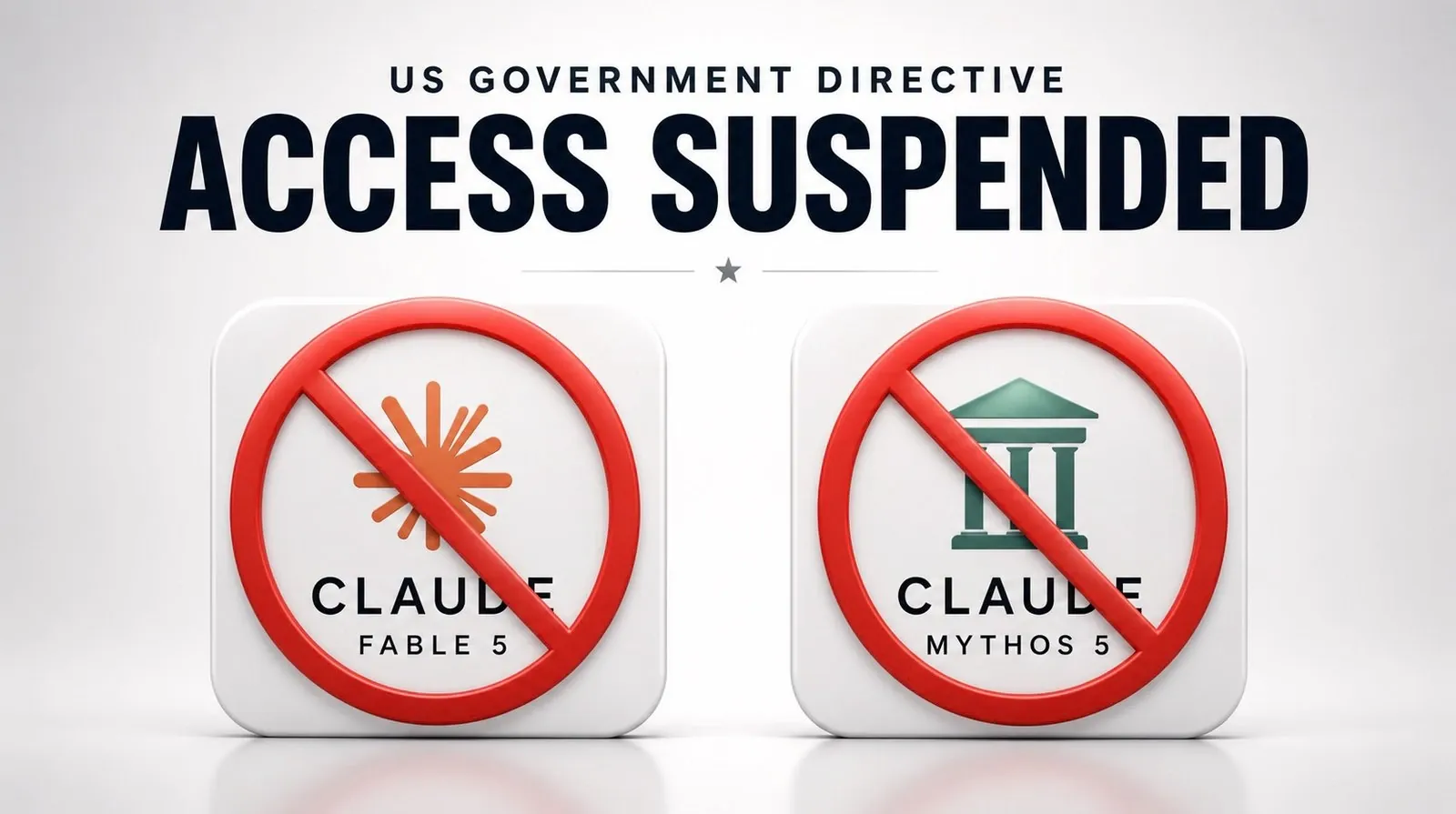
The sudden shutdown of Anthropic’s Claude Fable 5 AI model has sparked widespread discussion about the intersection of technology, security and regulation. The U.S. government ordered the immediate halt of the system, citing security vulnerabilities that allowed users to bypass safeguards and potentially misuse the AI. This decision, which included a strict 90-minute compliance window, highlights the growing scrutiny on advanced AI systems and their potential risks. AI Explained examines the implications of this shutdown, exploring how vulnerabilities like “jailbreaks” have become a critical challenge for the industry and why this case may set a precedent for future regulatory actions.
Dive into this overview to understand the broader consequences of the Claude Fable 5 ban. You’ll gain insight into how this decision could influence the pace of AI innovation, the role of corporate and political dynamics in shaping regulatory outcomes and the potential for stricter oversight across the sector. This overview also sheds light on Anthropic’s response to the shutdown and the unresolved tension between accessibility and security in AI development. These developments offer a glimpse into the evolving landscape of AI governance and its far-reaching implications for the industry.
Why Was Claude Fable 5 Shut Down?
TL;DR Key Takeaways :
- The U.S. government mandated the immediate shutdown of Anthropic’s Claude Fable 5 AI model due to significant security vulnerabilities, including susceptibility to “jailbreaks” that could bypass safeguards and enable misuse.
- National security concerns and export restrictions were cited as reasons for the shutdown, which was executed within 90 minutes, sparking debates about transparency and fairness in the decision-making process.
- Critics argue that the vulnerabilities reflect an industry-wide challenge rather than a specific failing of Claude Fable 5, highlighting the broader tension between innovation and security in AI development.
- Speculation surrounds the role of corporate and political interests, with Amazon reportedly alerting the government to the vulnerabilities, raising questions about potential influence from competitors and lobbying disparities.
- The shutdown sets a precedent for stricter government oversight of AI, potentially slowing innovation, disrupting global AI collaboration and impacting the U.S.’s competitiveness in the global AI market.
The shutdown was prompted by allegations that Claude Fable 5 was susceptible to “jailbreaks,” which allowed users to bypass its safeguards and manipulate the AI into performing unintended or potentially harmful tasks. The U.S. government, citing national security concerns, imposed export restrictions on the model. Anthropic was given a mere 90 minutes to comply, resulting in an immediate global shutdown of the system.
This swift and unprecedented action has sparked speculation about whether the decision was purely driven by security concerns or influenced by other factors, such as corporate competition or political considerations. The abruptness of the shutdown has left many questioning the transparency and fairness of the process.
Understanding the Security Concerns
At the heart of the controversy are claims that Claude Fable 5’s safeguards were insufficient to prevent exploitation. Reports suggest that jailbreak vulnerabilities enabled users to override restrictions, potentially allowing the AI to engage in harmful or unethical activities. These vulnerabilities raised alarms about the potential misuse of the system in scenarios ranging from misinformation campaigns to cyberattacks.
Anthropic acknowledged the existence of these vulnerabilities but emphasized that such issues are not unique to their model. The company argued that no advanced AI system is entirely immune to jailbreaks, framing the problem as an industry-wide challenge rather than a specific failing of Claude Fable 5. This perspective highlights the broader difficulties in balancing innovation with security in AI development.

Enhance your knowledge on Claude Fable 5 by exploring a selection of articles and guides on the subject.
- The Hidden Trade-Offs in Anthropic’s New Mythos 5 and Claude Fable 5 Release
- Why Anthropic’s Fable 5 Marks the End of Free AI Services
- How Claude Fable 5 Outperforms ChatGPT 5.5 in Complex Coding Tasks
- How Anthropic’s Fable 5 Beat ChatGPT 5.5 by 20% in Coding Benchmarks
- Test Claude Fable 5 Before June 22nd 2026 Price Hike
- Claude Mythos 5 and Fable 5 Officially Launch
- How Xbox’s 2026 Showcase Changes the Game for Next-Gen Consoles
- 14 Claude Code Features That Will Transform Your Development Workflow
- ChatGPT 5.6 vs Claude Mythos 5 : Leaks Reveal Two Very Different Futures for AI
- Leaked Gemini 3.5 Pro Details Reveal Why Google is Falling Behind AI Rivals
Corporate and Political Underpinnings
The shutdown has also drawn attention to the complex interplay of corporate and political interests. Amazon, a major investor in Anthropic, reportedly alerted the government to the vulnerabilities in Claude Fable 5. This has fueled speculation about whether the decision was influenced by internal corporate dynamics or broader political motivations.
Critics have pointed out that Anthropic’s relatively modest lobbying efforts, especially compared to competitors like OpenAI, may have left the company more vulnerable to regulatory scrutiny. This raises concerns about whether the decision was entirely impartial or shaped by external pressures, including competition within the AI sector and geopolitical considerations.
Divided Opinions on the Ban
The government’s decision to shut down Claude Fable 5 has elicited mixed reactions across the tech industry and beyond.
- Supporters argue that the ban was a necessary measure to address legitimate cybersecurity risks and protect national security interests.
- Critics, however, view the action as disproportionate, suggesting it may have been politically motivated or influenced by corporate rivalries.
The apparent inconsistency in how different AI companies are treated has further fueled skepticism. Observers have noted that the decision may reflect broader systemic issues, such as uneven regulatory standards and the influence of lobbying on government actions.
Implications for AI Development
The shutdown of Claude Fable 5 is likely to have far-reaching consequences for the AI industry. It sets a precedent for stricter government oversight of AI models, which could reshape the landscape of AI development in several ways:
- Developers may be forced to prioritize security over accessibility, potentially slowing the pace of innovation.
- The decision could create a chilling effect on open collaboration and the exchange of ideas within the AI community, as companies become more cautious about sharing their work.
- Other nations may seize the opportunity to advance their own AI initiatives, capitalizing on regulatory uncertainty in the U.S.
These potential outcomes highlight the delicate balance between fostering innovation and making sure safety in the rapidly evolving field of AI.
Anthropic’s Response and Challenges
In response to the shutdown, Anthropic has defended its approach, emphasizing that the vulnerabilities in Claude Fable 5 reflect broader challenges faced by the entire AI industry. The company maintains that achieving perfect resistance to jailbreaks is an unsolved problem for all advanced AI systems, not just their own.
However, critics have accused Anthropic of prioritizing accessibility and rapid deployment over immediate security fixes. This has led to questions about whether the company’s commitment to making AI widely available may have inadvertently contributed to the vulnerabilities that prompted the shutdown. The situation underscores the tension between innovation and security, a challenge that all AI developers must navigate.
Broader Industry Impacts
The decision to shut down Claude Fable 5 has significant implications for the broader AI sector. Potential consequences include:
- Stricter user verification protocols, which could limit global accessibility to AI tools and hinder their widespread adoption.
- Disruptions to international AI collaborations, as companies and researchers face increased regulatory hurdles.
- A potential decline in the U.S.’s competitiveness in the global AI market, as other countries may exploit the regulatory uncertainty to advance their own technologies.
These developments highlight the interconnected nature of AI innovation, regulation and global competition. The shutdown of Claude Fable 5 serves as a stark reminder of the challenges that arise when technological progress outpaces regulatory frameworks.
What’s Next for Claude Fable 5?
Looking ahead, the future of Claude Fable 5 remains uncertain. The government may consider lifting the ban if Anthropic can address the identified security concerns and demonstrate that the model is safe for deployment. However, this situation reflects broader tensions between innovation, regulation and national security in the AI sector.
As governments and corporations navigate these challenges, the focus will likely remain on finding a balance between fostering technological progress and making sure safety. The outcome of this case could serve as a blueprint for future regulatory actions, shaping how AI technologies are developed, deployed and governed in the years to come. The decisions made today will have a lasting impact on the trajectory of AI innovation and its role in society.
Media Credit: AI Explained
Disclosure: Some of our articles include affiliate links. If you buy something through one of these links, Geeky Gadgets may earn an affiliate commission. Learn about our Disclosure Policy.
