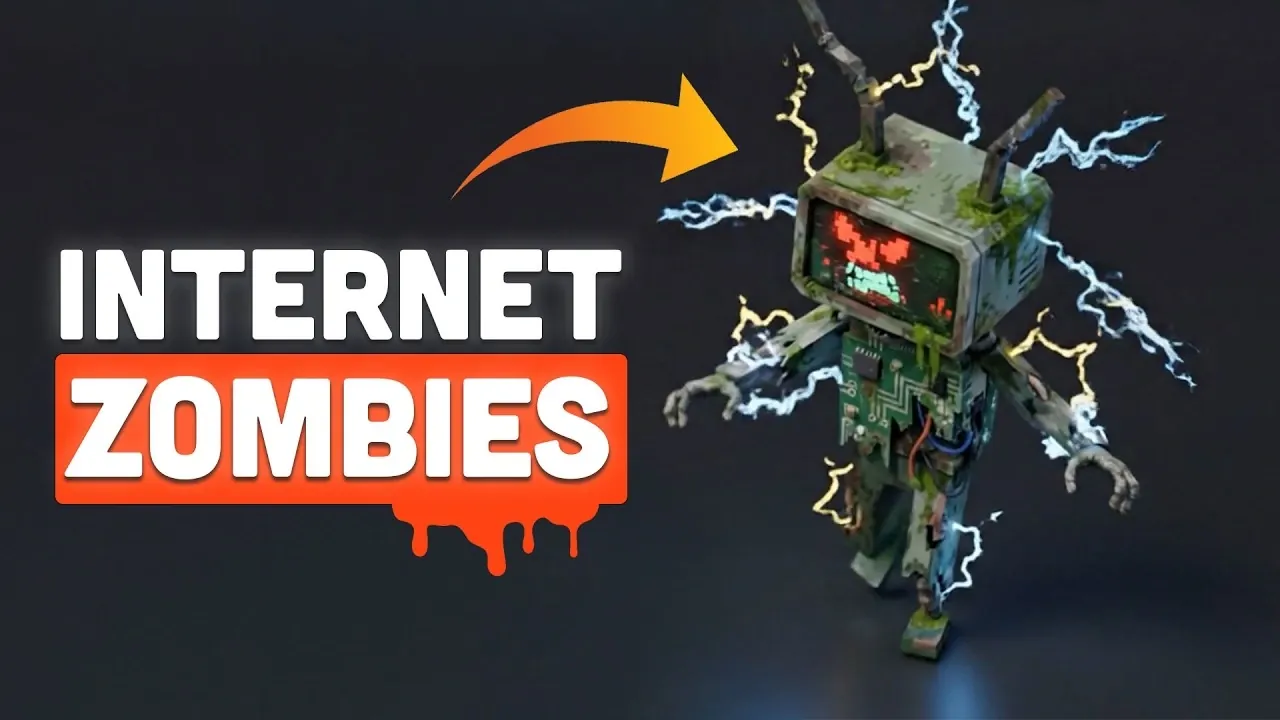
What if the internet you rely on every day wasn’t as seamless as it seems? What if hidden inefficiencies were quietly disrupting traffic, slowing connections, and wasting resources? In this guide, Better Stack explains how a little-known phenomenon called BGP zombies—outdated routes that linger in the internet’s backbone, can wreak havoc on global communication. These “zombies” may sound like something out of a sci-fi thriller, but they’re a very real problem with tangible consequences, from failed connections to increased network congestion. Despite their impact, few people outside the tech world are even aware of their existence, let alone the challenges they pose to maintaining a stable and efficient internet.
This overview explains what BGP zombies are, why they persist, and how they can disrupt the flow of internet traffic in ways you might never have imagined. Along the way, you’ll gain a deeper understanding of the hidden complexities of global internet coordination and the innovative solutions being developed to combat these silent disruptors. Whether you’re a curious internet user or someone working in tech, this guide will shed light on an issue that’s critical to the future of online communication. The internet is evolving, but its stability depends on addressing challenges like this, challenges that most of us never even see.
Understanding BGP Zombies
TL;DR Key Takeaways :
- BGP zombies are outdated routes in the Border Gateway Protocol (BGP) that persist in routing tables after being withdrawn, causing disruptions like delays, failed connections, and inefficient routing.
- BGP zombies arise due to delays in updating routing tables, caused by fallback searches, outdated information, and the global scale of the internet, which makes synchronization challenging.
- The presence of BGP zombies impacts internet performance by increasing congestion, slowing down traffic, and causing service outages, with significant consequences for businesses and users.
- BGP includes mechanisms like timers and neighbor updates to eventually remove stale routes, but these processes are not immediate, allowing zombies to persist temporarily.
- Companies like Cloudflare are addressing BGP zombies by implementing proactive solutions, such as safer route withdrawal methods and optimized systems, to enhance network stability and minimize disruptions.
The Border Gateway Protocol (BGP) serves as the backbone of the internet’s routing system. It determines how data flows between networks, making sure that information reaches its destination efficiently. Routers use BGP to exchange information about the best paths for traffic, storing this data in global routing tables that guide internet communication.
However, the internet is a dynamic environment. Routes frequently change due to network updates, outages, or optimizations. When a route becomes invalid, it is withdrawn from the routing table. Ideally, this update propagates quickly and seamlessly across the network. Yet, delays in updating routers can lead to the emergence of BGP zombies, which disrupt the smooth flow of internet traffic.
What Are BGP Zombies?
BGP zombies are outdated routes that remain in the global routing table even after being withdrawn. These stale entries can misdirect traffic, leading to inefficiencies such as looping, delays, or dropped connections.
For example, consider a scenario where a route to a specific network is withdrawn but continues to exist in some routers’ tables. Traffic may still follow this outdated path, only to encounter a dead end. This not only disrupts user experience but also places unnecessary strain on network resources, increasing congestion and inefficiency. The persistence of these zombies underscores the challenges of maintaining accurate and up-to-date routing information across the vast and interconnected internet.
The Internet is Full of Zombies and Nobody is Talking About It

Check out more relevant guides from our extensive collection on networking that you might find useful.
- How to Build a Custom AI Vibe Coding Platform with Cloudflare
- How Cloudflare DNS Outage Took Out The Internet
- Cloudflare WARP VPN app launches on Android and iOS
- Setup remote access to your NAS with CloudFlare Tunnels
- Unlock AI-Powered Browser Tools with ChatGPT WebRTC API
- New Features in LangChain 1.0 Simplify AI Agent Development
- PORTAL Router Project Offers Pocket Sized TOR Privacy
- How to Set Up a Reverse Proxy on Synology NAS Step-by-Step
- How Model Context Protocol (MCP) Enhances AI Workflows
- JetKVM: The Ultimate Tool for Effortless Remote Computer Control
Why Do BGP Zombies Exist?
The formation of BGP zombies is primarily due to delays in updating routing tables. When a route is withdrawn, neighboring routers must propagate this change across the network. Several factors contribute to these delays, including:
- Fallback searches: Routers may take time to search for alternative paths when a route is withdrawn.
- Outdated information: Some routers may retain stale data longer than others, creating inconsistencies.
- Global scale: The sheer size and complexity of the internet make it challenging to synchronize routing updates instantly.
Although BGP includes mechanisms to eventually remove stale routes, these processes are not immediate. During the lag, withdrawn routes may still appear valid to some routers, resulting in the creation of BGP zombies.
How Do BGP Zombies Impact Internet Traffic?
The presence of BGP zombies can have tangible effects on internet performance. Users may experience slower loading times, failed connections, or even complete service outages. For businesses that rely on real-time data or critical applications, these disruptions can lead to significant financial and operational consequences.
Moreover, the inefficiencies caused by zombies contribute to increased network congestion. This ripple effect can degrade performance across multiple systems, amplifying the problem. The broader implications of these outdated routes highlight the importance of addressing BGP zombies to maintain a stable and efficient internet.
How Does BGP Address Stale Routes?
Fortunately, BGP includes mechanisms designed to resolve stale routes over time. These features help ensure that outdated entries are eventually removed from routing tables, minimizing their long-term impact. Key mechanisms include:
- BGP timers: These periodically refresh routing tables, allowing routers to identify and remove outdated routes.
- Neighbor updates: Routers exchange updates with their peers, gradually correcting discrepancies in routing information.
While these processes are effective, they are not instantaneous. The delay in updating routing tables allows BGP zombies to persist temporarily, disrupting traffic until the system catches up. This highlights the need for more proactive solutions to address the issue.
Proactive Solutions: Cloudflare’s Approach
Recognizing the challenges posed by BGP zombies, companies like Cloudflare have implemented strategies to mitigate their impact. One effective approach involves introducing safer methods for route withdrawal. By announcing stable alternative routes before withdrawing outdated ones, Cloudflare ensures a smoother transition, reducing the likelihood of zombies forming.
Additionally, Cloudflare has optimized its internal systems to prevent the propagation of stale routes. These measures enhance the stability of its network and minimize disruptions caused by zombies. Such proactive efforts demonstrate how technological innovation can address the challenges of maintaining a reliable internet.
Why This Matters for the Future of the Internet
The issue of BGP zombies underscores the complexity of managing a global network. It highlights the need for seamless coordination between networks and continuous innovation in routing protocols. While solutions like those implemented by Cloudflare are promising, addressing the root causes of BGP zombies will require collaboration among internet service providers, technology companies, and standards organizations.
As the internet continues to evolve, tackling challenges like BGP zombies will remain critical to making sure its stability and efficiency. By understanding these issues, you gain insight into the intricate systems that keep the internet running and the ongoing efforts to improve them. The reliability of the internet depends on addressing such challenges, making sure a smoother and more efficient experience for all users.
Media Credit: Better Stack
Disclosure: Some of our articles include affiliate links. If you buy something through one of these links, Geeky Gadgets may earn an affiliate commission. Learn about our Disclosure Policy.
